Being told you have fatty liver can make everyday food suddenly feel confusing. You may start wondering whether you need to stop eating roti, give up rice, avoid chai, or follow a strict detox diet to improve your liver.
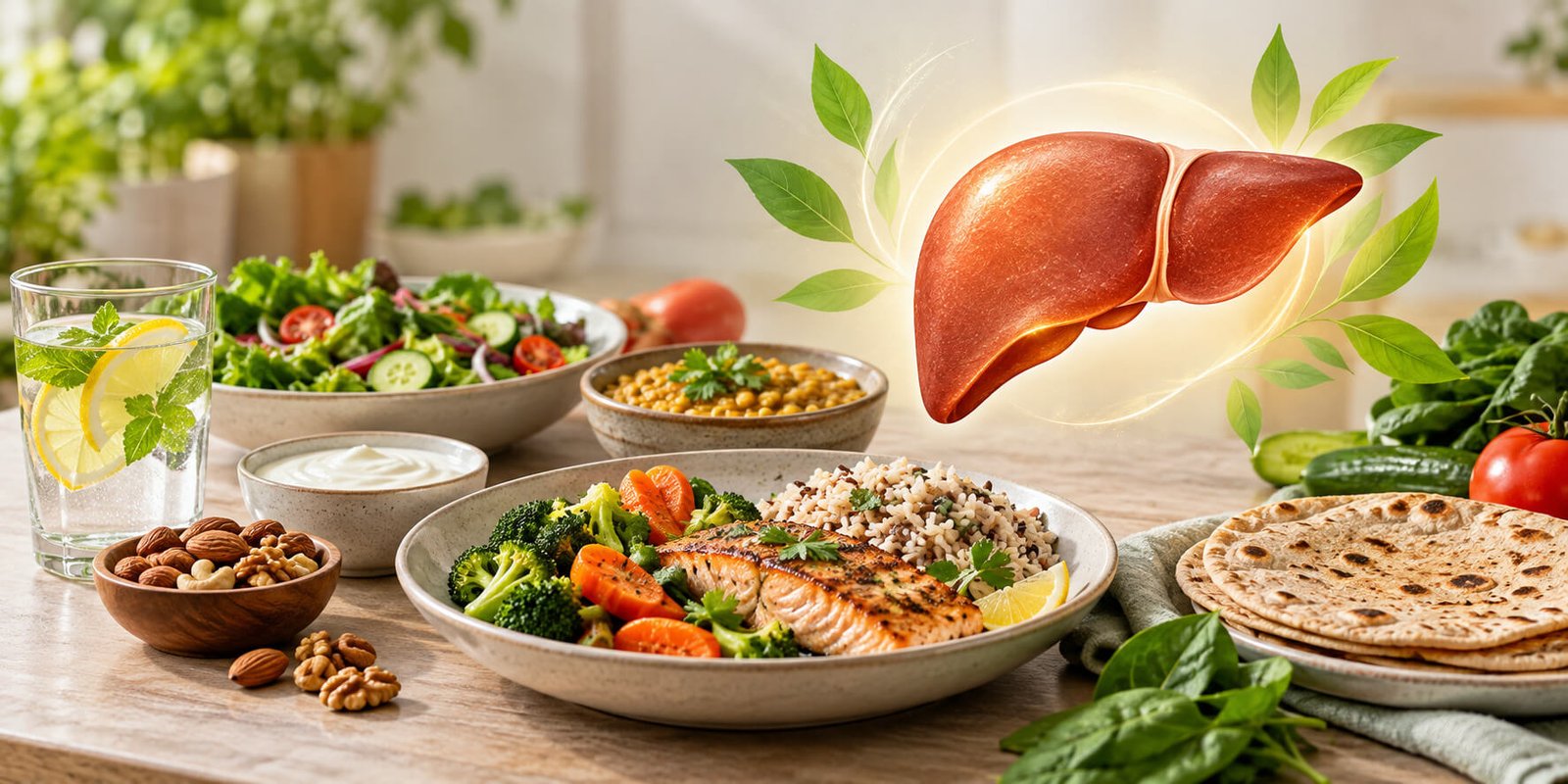
The good news is that a fatty liver diet plan in Pakistan can still include familiar foods such as daal, sabzi, roti, chicken, fish, eggs, dahi and rice. The goal is not to create a perfect diet. It is to reduce the habits that contribute to excess liver fat while building meals you can realistically continue.
Can Fatty Liver Be Reversed Naturally?
Fatty liver can often improve significantly, particularly when it is identified before advanced liver damage develops. Nutrition, physical activity, weight management and better control of blood sugar and triglycerides can all play an important role.
If you are above your healthy weight range, even modest gradual weight loss may reduce the amount of fat stored in the liver. More substantial weight loss may provide additional benefits for inflammation and metabolic health.
This does not mean you should start fasting aggressively or cutting your food intake dramatically. Rapid, unsupervised weight loss is not the goal. Sustainable changes that you can maintain over months are much more useful.
What Should a Fatty Liver Diet in Pakistan Look Like?
A healthy liver diet does not require imported health foods or an entirely separate menu from your family.
Pakistani meals can be adapted by adjusting portions, increasing vegetables and protein, reducing added sugar, and being more conscious of how much oil is used during cooking.
Fill More of Your Plate With Vegetables
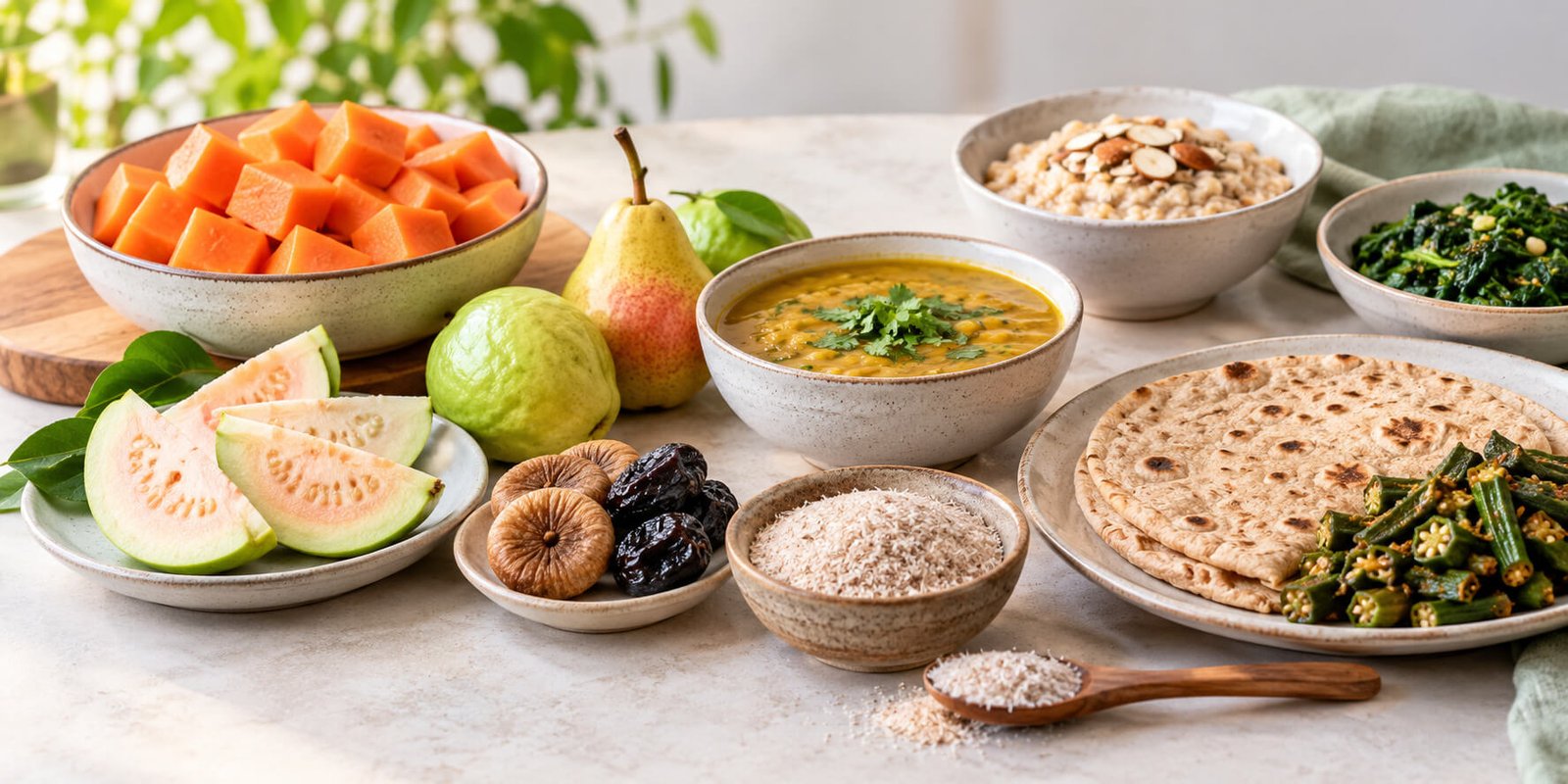
Vegetables add fiber, volume and nutrients without making meals excessively calorie dense. Palak, lauki, tori, bhindi, gobi, karela, cucumber, tomatoes and mixed seasonal vegetables can all be included.
How vegetables are cooked also matters. A vegetable curry swimming in oil is very different from the same vegetables prepared with a moderate amount of oil.
Include Protein at Most Main Meals
Protein can make meals more satisfying and help maintain muscle, particularly when you are trying to lose weight.
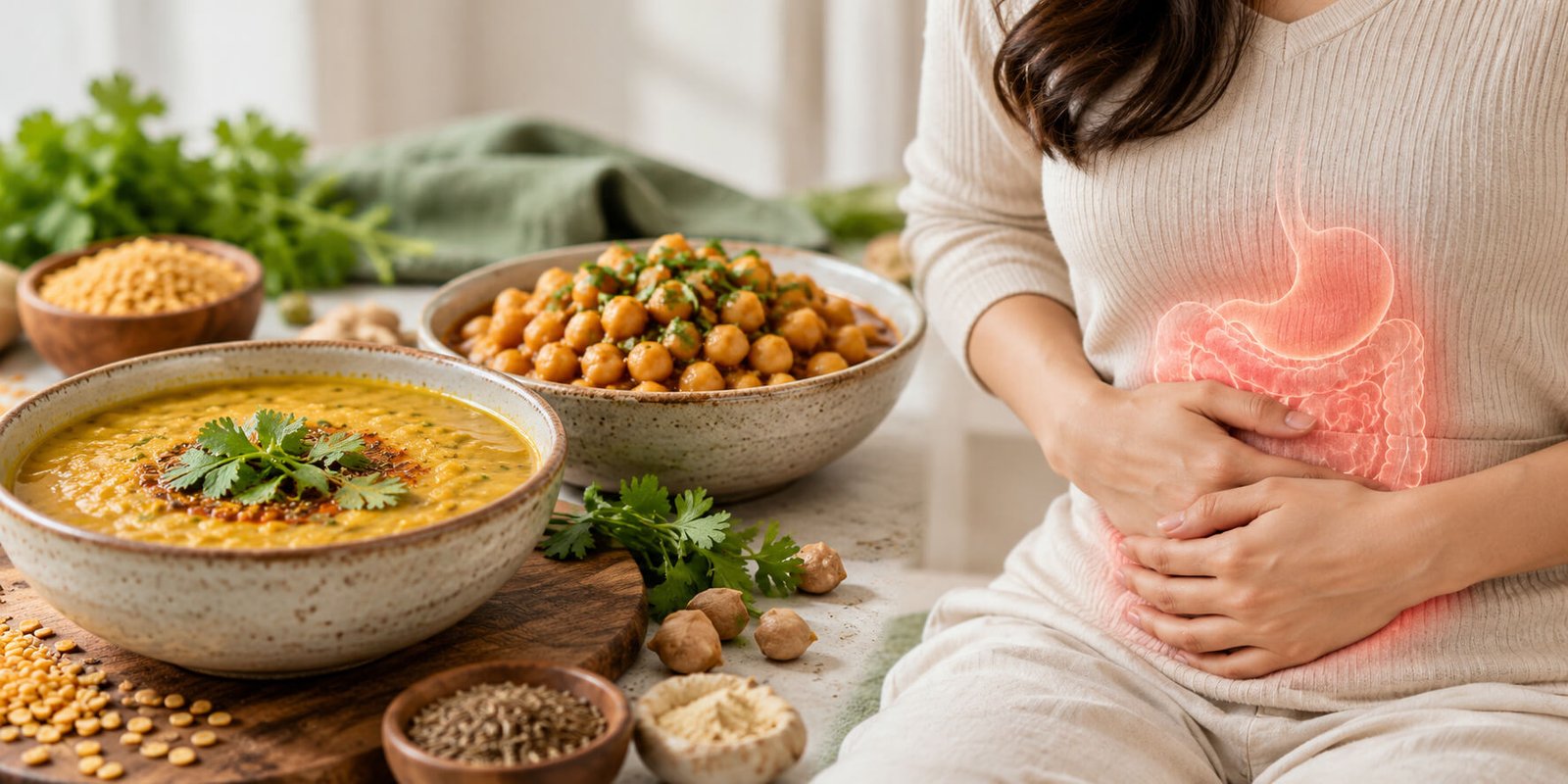
Useful Pakistani options include eggs, chicken, fish, plain dahi, daal, chana, lobia and other legumes. If pulses sometimes make you uncomfortable, understanding why daal and chana cause gas can help you adjust portions and preparation rather than removing these nutritious foods completely.
Choose Carbohydrates More Carefully
Having fatty liver does not automatically mean carbohydrates must disappear from your diet.
Whole-wheat roti, oats, daliya, legumes and sensible portions of rice can fit into a balanced eating pattern. The bigger problem is often a combination of oversized carbohydrate portions, too little protein or vegetables, sugary drinks and meals prepared with large amounts of oil.
A Practical Pakistani Fatty Liver Meal Plan
There is no single meal plan that is correct for everyone. Your calorie and nutrient needs depend on your weight, activity level, medical history, blood sugar, medications and other factors.
The following options show how familiar Pakistani foods can be arranged more thoughtfully.
Breakfast
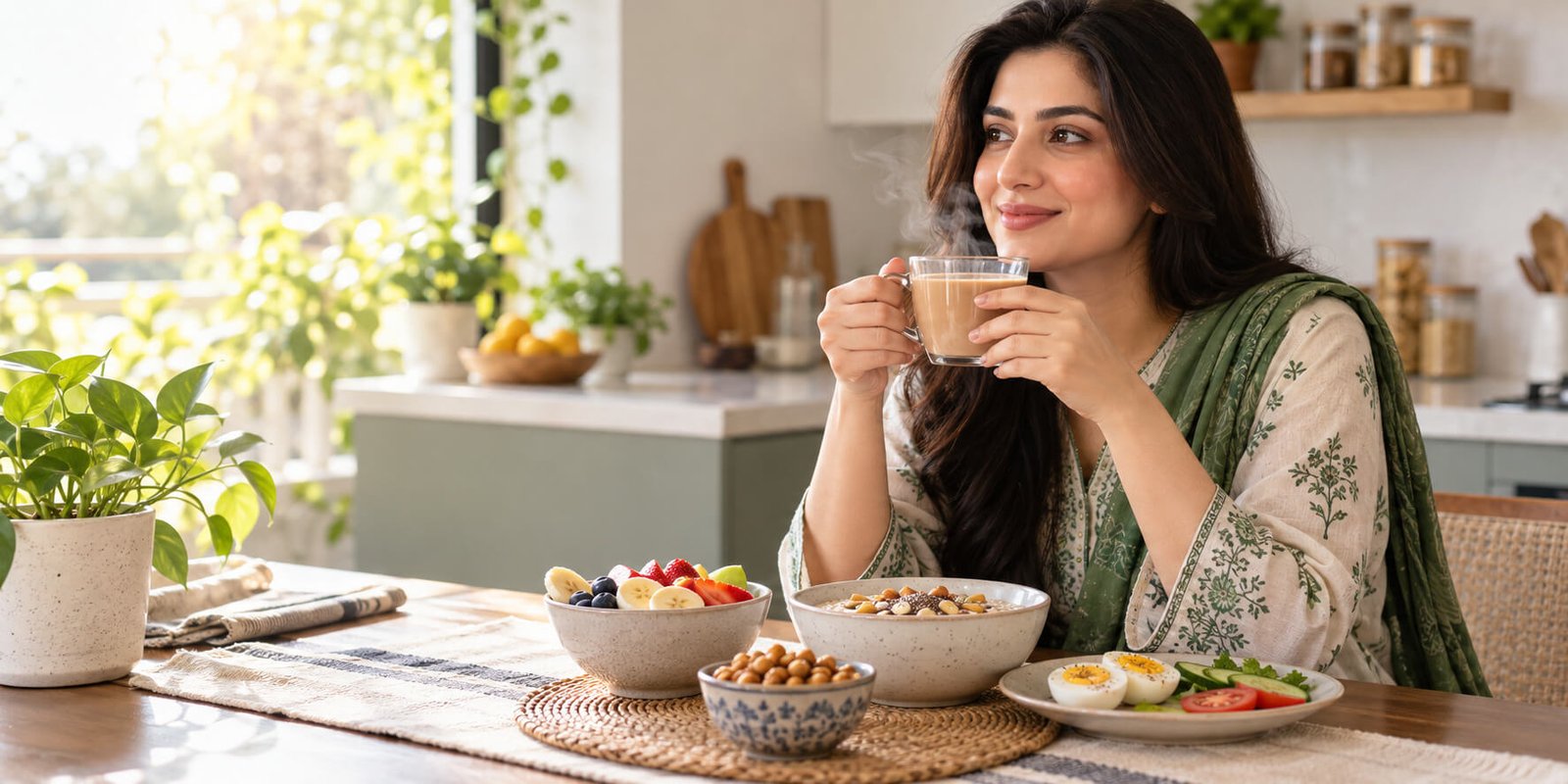
You could start with a vegetable omelette and one whole-wheat roti, oats with plain milk or dahi and a small portion of nuts, or boiled eggs with tomatoes and cucumber.
Chana chaat, moong daal chilla, daliya and plain yogurt can also work well. If eggs are not part of your diet, these healthy Pakistani breakfasts without eggs provide several practical alternatives.
Try not to make sweet chai with biscuits, rusks or bakery products your regular breakfast. These meals tend to provide plenty of refined carbohydrate while offering relatively little protein and fiber.
Lunch
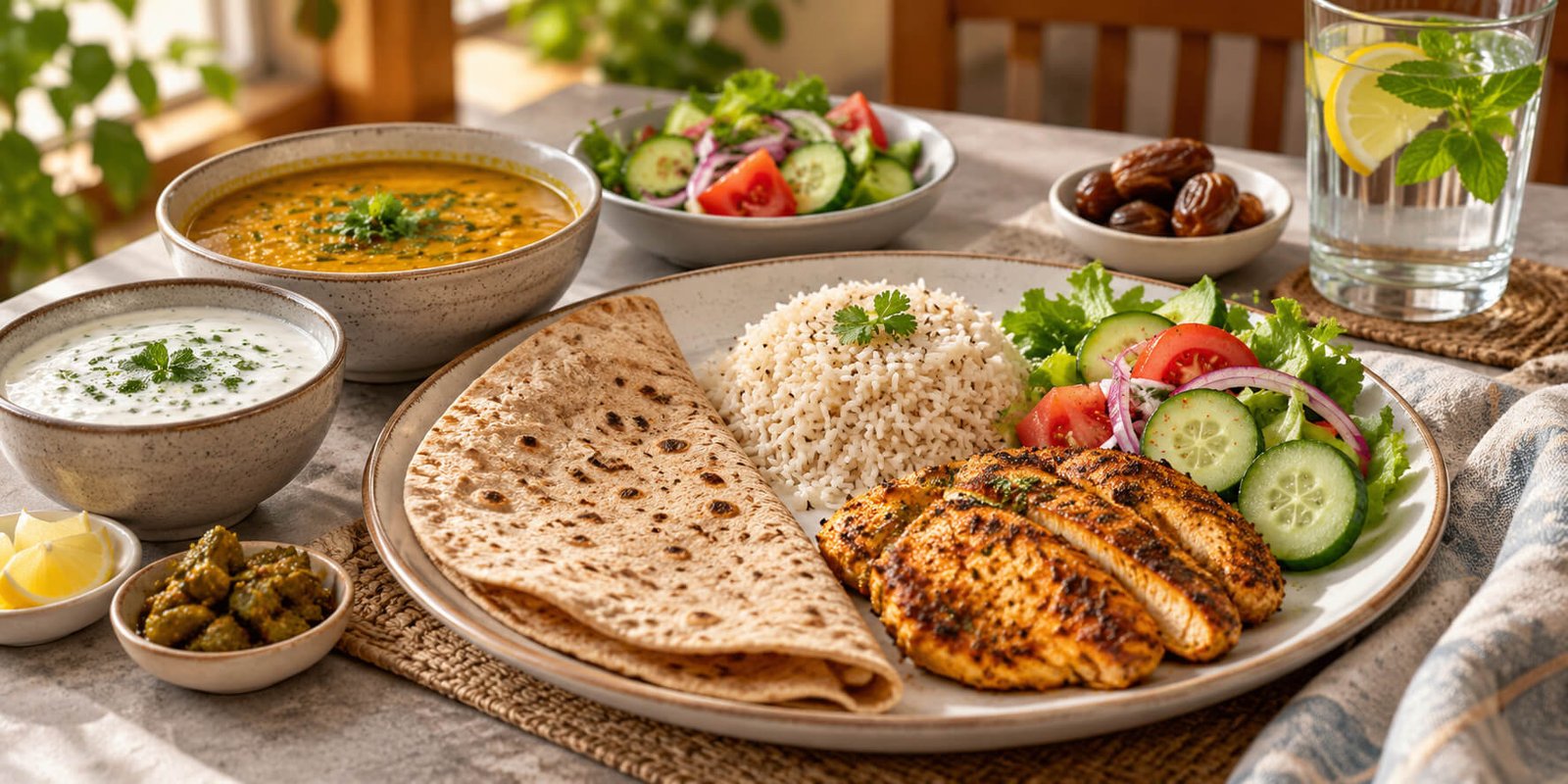
A balanced lunch could include one whole-wheat roti with daal, sabzi and salad. Another option is grilled or lightly cooked chicken with roti, raita and vegetables.
Fish with vegetables and a measured serving of rice can also fit well. The goal is not to make every meal extremely low in carbohydrates, but to avoid allowing roti or rice to occupy most of your plate.
Snacks
Whole fruit, plain dahi, roasted chana or a small handful of nuts are usually more nutritious choices than chips, biscuits, mithai or fried snacks.
You do not necessarily need snacks if you are not hungry. They are simply an option when there is a long gap between meals.
Dinner
Dinner can look very similar to lunch. You might have chicken salan prepared with less oil, one roti and salad, or daal with sabzi and dahi.
Fish with cooked vegetables and a modest serving of rice is another option. There is no special rule that everyone with fatty liver must completely avoid carbohydrates at night.
Can You Eat Roti With Fatty Liver?
Yes. Most people with fatty liver do not need to eliminate roti.
Whole-wheat roti can provide carbohydrates and fiber as part of a balanced meal. What matters is the portion and what accompanies it.
One roti with grilled chicken, sabzi and salad creates a very different meal from several large rotis served with an oily curry followed by sweet tea and dessert.
If you are unsure whether one carbohydrate is automatically better than another, this comparison of roti vs rice for weight management explains why portion size and the complete meal matter more than simply choosing one food as “good” and another as “bad.”
Is Rice Bad for Fatty Liver?
Rice is not automatically harmful to the liver, and you do not necessarily need to stop eating it.
However, large portions of white rice can make it easy to consume more carbohydrates and calories than you intended, especially when the meal also contains oily curry, fried foods or sugary drinks.
Keep rice portions moderate and combine them with vegetables, daal, chicken or fish. Brown rice can provide more fiber, but switching from white to brown rice does not mean portions no longer matter.
Can You Drink Chai With Fatty Liver?
For many Pakistanis, the issue is not chai itself. It is everything that comes with it.
Several cups of heavily sweetened tea each day can add a surprising amount of sugar. Add biscuits, cake, rusks or fried snacks and an everyday tea habit can become a significant source of extra calories and refined carbohydrates.
Gradually reduce the sugar if you currently use a lot. You can also stop treating biscuits or rusks as an automatic companion to every cup.
Foods to Eat More Often
Your routine does not have to be complicated. Try to build most meals around familiar, minimally processed foods such as:
- Seasonal vegetables and fresh salads
- Whole fruit instead of juice
- Daal, chana and lobia
- Eggs, fish and skinless chicken
- Plain dahi
- Whole-wheat roti, oats and daliya
- Nuts and seeds in moderate portions
- Water as your main drink
Consistency matters more than searching for one special “liver healing” food.
Foods to Limit With Fatty Liver
The foods most worth reducing are generally those that make it easy to consume large amounts of added sugar, refined carbohydrates and excess calories.
This includes soft drinks, packaged juices, mithai, cakes, biscuits, rusks, bakery foods, samosas, pakoras, puri, frequent fast food and heavily fried meals.
Desi ghee and cooking oil also deserve attention. You do not need to eliminate all fat, but pouring large amounts of oil into everyday curries can significantly increase their calorie content.
Do You Need to Stop Sugar Completely?
Reducing added sugar is especially important when fatty liver is associated with insulin resistance, high triglycerides or excess weight.
Start with the biggest sources. Cold drinks, sweetened juices, desserts and heavily sweetened chai can contribute far more added sugar than people realize.
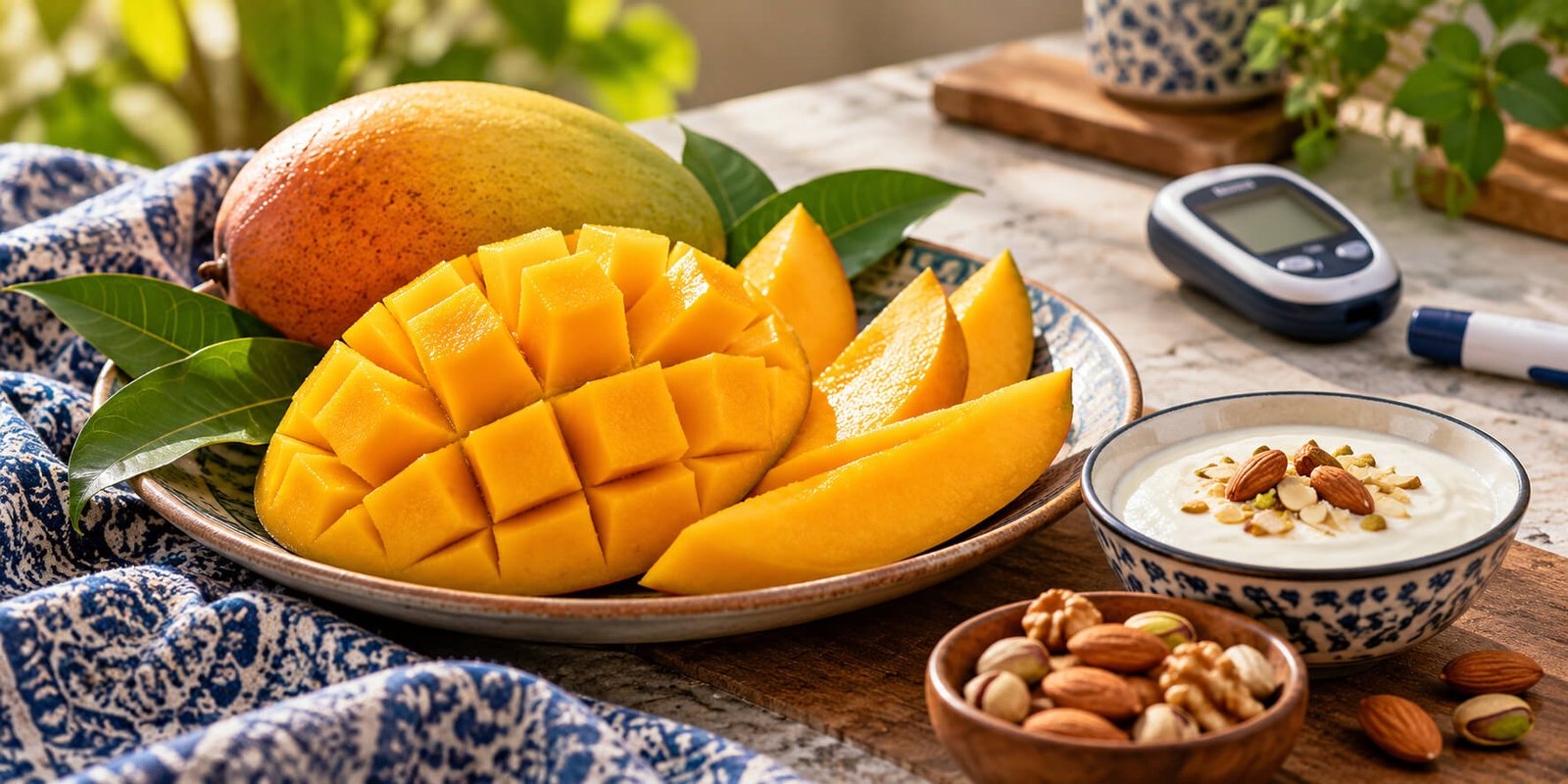
Whole fruit is different from fruit juice because it comes with fiber and requires more chewing. In most cases, completely avoiding fruit because it contains natural sugar is unnecessary.
Do Lemon Water and Detox Drinks Reverse Fatty Liver?
Lemon water can be a refreshing way to drink more water, but it does not melt fat out of your liver.
The same applies to apple cider vinegar, detox teas and so-called liver cleansing drinks. No special morning beverage can compensate for frequent sugary drinks, excess calories, inactivity and an unbalanced diet.
A seven-day “liver cleanse” may temporarily change what you eat, but fatty liver is better addressed through sustainable habits that continue after the first week.
How Much Weight Do You Need to Lose?
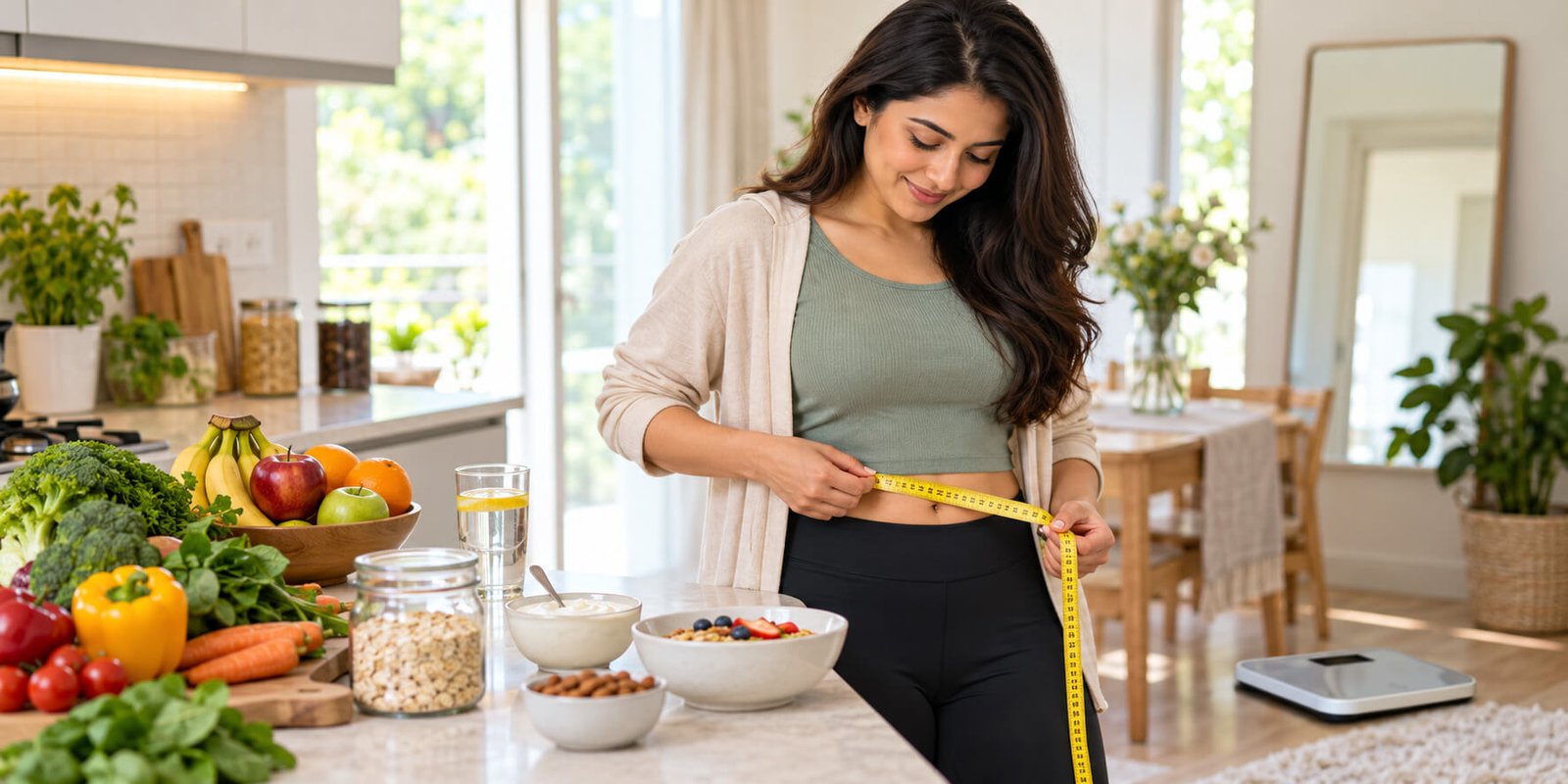
If excess weight is contributing to fatty liver, losing around 5% of body weight can already be meaningful. Greater gradual weight loss may provide additional improvement for liver inflammation and overall metabolic health.
For example, 5% of an 80 kg body weight is about 4 kg. The goal should still be approached gradually rather than trying to lose that amount in a few days or weeks.
People who are already within a healthy weight range can also develop fatty liver, so weight loss is not automatically the correct recommendation for everyone.
Can Thin People Have Fatty Liver?
Yes. Fatty liver does not only occur in people who appear overweight.
Insulin resistance, high triglycerides, type 2 diabetes, genetics, visceral fat, diet quality and low physical activity can contribute even when someone’s body weight appears normal.
This is another reason treatment should be based on your complete health picture rather than just the number on the weighing scale.
How Much Exercise Helps Fatty Liver?
Try to gradually work toward at least 150 minutes of moderate physical activity each week if it is medically appropriate for you.
Brisk walking is one of the simplest places to start. Cycling, swimming and other aerobic activities can also help, while resistance training can support muscle strength and metabolic health.
You do not need to become an athlete. A consistent daily walking habit is far more useful than doing an extreme workout once every few weeks.
How Long Does Fatty Liver Take to Improve?
There is no single timeline.
Someone with mild fatty liver who improves their eating habits, loses excess weight and becomes more active may see meaningful changes over time. Another person with diabetes, significant fibrosis or other medical conditions may require more intensive treatment and monitoring.
Do not expect fatty liver to disappear after one week of eating salad or drinking detox beverages. Sustainable improvement usually comes from repeated habits rather than quick fixes.
Personalized Fatty Liver Nutrition With Dr. Noor
Generic fatty liver diets often tell everyone to eat the same foods, but your nutritional needs can change depending on your weight, blood sugar, triglycerides, digestion, routine, medications and normal household meals.
Dr. Noor provides personalized online nutrition consultations across Pakistan, with practical plans built around your health needs and everyday Pakistani foods. Her approach focuses on sustainable changes rather than crash diets, allowing your nutrition plan to work with your routine instead of forcing you to live around a restrictive diet. You can explore her personalized nutrition programs if you need individual guidance.
When Should You Seek Medical Advice?
Fatty liver should not be treated as only a food problem. If your liver enzymes are significantly abnormal, imaging suggests fibrosis, or you also have diabetes, high triglycerides or another metabolic condition, medical follow-up is important.
Seek prompt medical care if you develop symptoms such as yellowing of the skin or eyes, abdominal swelling, unexplained significant weight loss, persistent severe abdominal pain or other concerning changes.
Nutrition can support liver health, but it should complement appropriate medical evaluation rather than replace it.
Frequently Asked Questions
How Can I Reverse Fatty Liver Naturally?
Improving diet quality, becoming more physically active, reducing added sugar and excess calories, and gradually losing weight when appropriate can significantly reduce liver fat. Your approach should also address related conditions such as diabetes and high triglycerides.
Can Fatty Liver Be Completely Reversed?
Early fatty liver can often improve substantially and may resolve in some people. More advanced fibrosis or cirrhosis is different, so the stage of liver disease matters.
What Should I Eat if I Have Fatty Liver?
Focus on vegetables, whole fruit, legumes, lean protein, plain dairy, whole grains and sensible portions of carbohydrates. Reduce sugary drinks, highly processed foods, frequent fried foods and excessive cooking fats.
Can I Eat Roti With Fatty Liver?
Yes. Whole-wheat roti can fit into a fatty liver diet. Portion size, cooking method and the foods eaten alongside it are more important than avoiding roti completely.
Is Rice Allowed in a Fatty Liver Diet?
Yes. Keep portions appropriate and pair rice with vegetables and a source of protein. Rice does not have to be completely eliminated.
Are Eggs Good for Fatty Liver?
Eggs can be a convenient source of protein and can fit into a balanced fatty liver diet. Your overall dietary pattern matters more than one individual food.
Is a 7-Day Liver Cleanse Good for Fatty Liver?
A balanced seven-day meal plan can help you begin healthier habits, but there is no special seven-day cleanse that removes liver fat. Long-term nutrition and lifestyle changes are more important.
How Long Does Fatty Liver Take to Improve?
The timeline varies depending on the severity of fatty liver, body weight, metabolic health, activity level and consistency with treatment. Focus on sustainable progress rather than trying to reverse fatty liver within a fixed number of days.