Losing weight with hypothyroidism can feel frustrating, especially when you are eating less but the scale seems slow to respond. An underactive thyroid can affect energy levels, metabolism, digestion and daily activity, which may make weight management more challenging for some people.
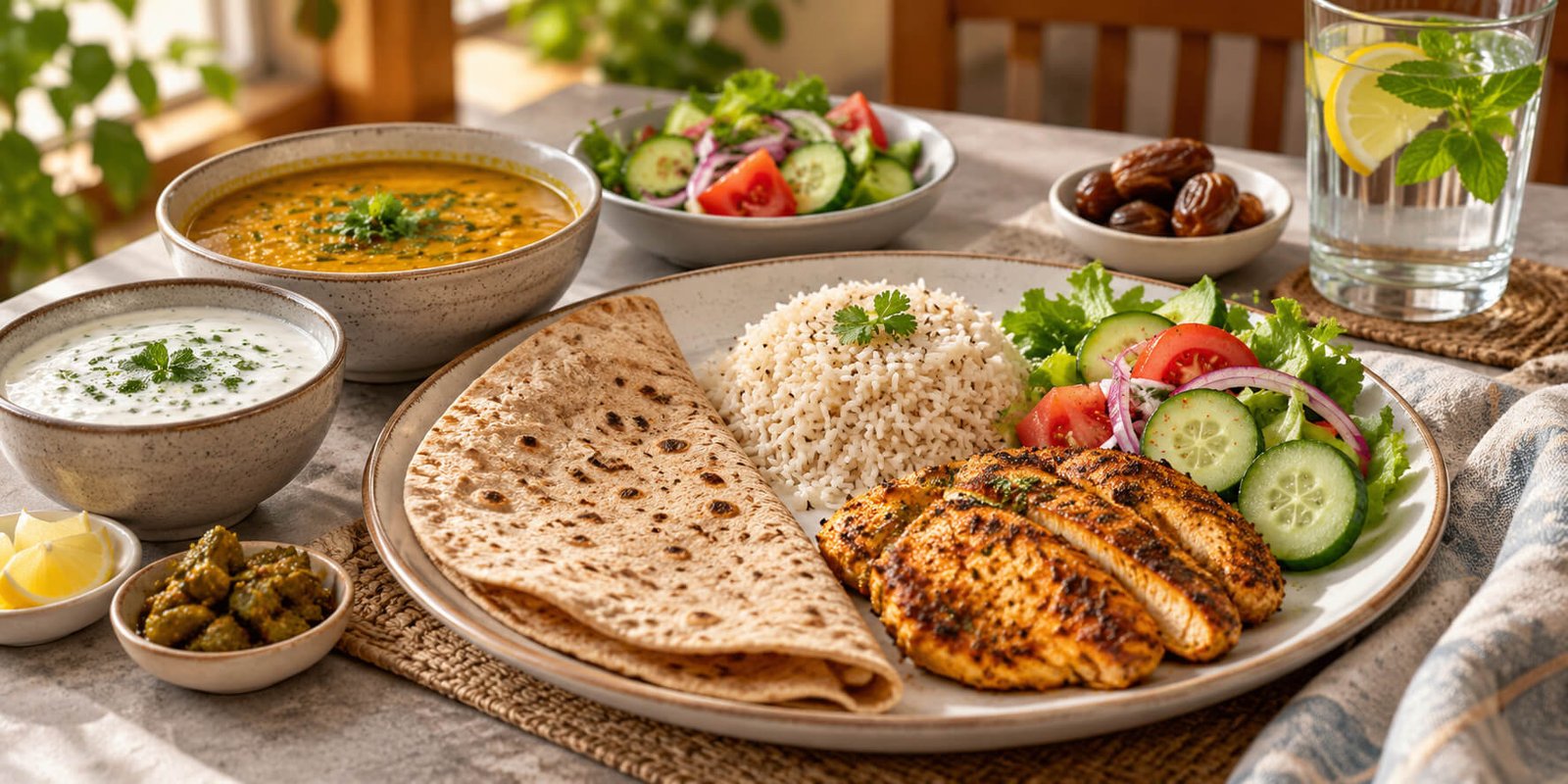
The good news is that you do not need to stop eating roti, rice, daal or other Pakistani foods. A thyroid diet plan for weight loss can still include familiar home-cooked meals. The focus should be on balanced portions, enough protein, vegetables, sensible carbohydrates and habits you can maintain for months rather than a restrictive temporary diet.
Can You Lose Weight With Hypothyroidism?
Yes, weight loss is possible with hypothyroidism. However, it is important that the thyroid condition itself is appropriately evaluated and managed alongside nutrition and lifestyle changes.
When thyroid hormone levels are low, metabolism may slow and symptoms such as tiredness can reduce daily movement. Some people also experience fluid retention, which can affect the number they see on the scale.
Once your thyroid is being properly managed, weight loss generally follows the same basic principle as it does for other people: your body needs to use more energy than you consistently consume. The goal is to create that calorie deficit without cutting food so aggressively that hunger, low energy and poor nutrition become a problem.
What Is the Best Thyroid Diet for Weight Loss?
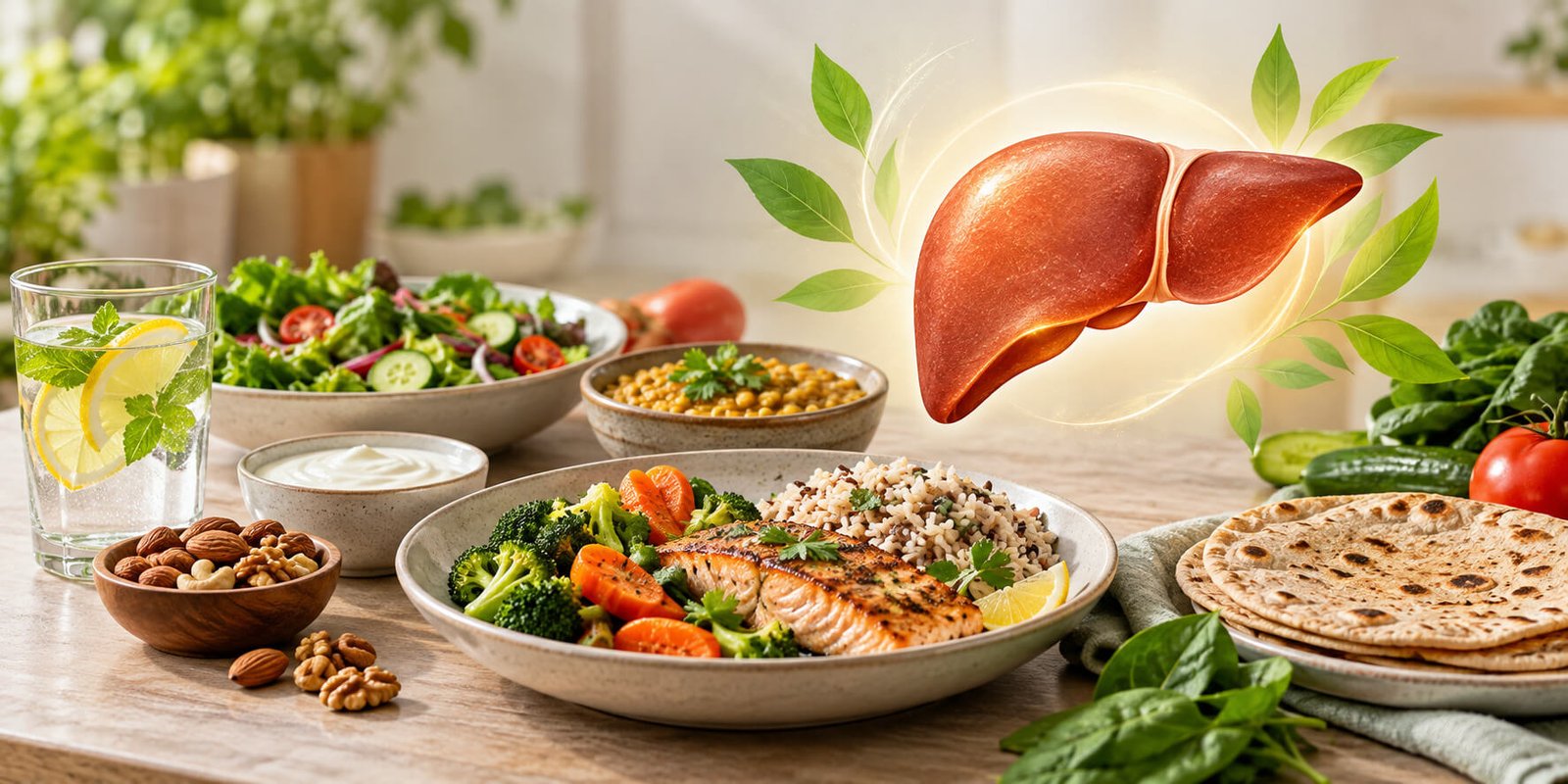
There is no single food that fixes thyroid function or automatically causes weight loss. A useful thyroid weight loss diet is simply a nutritionally balanced eating pattern adapted to your medical needs, routine and food preferences.
For Pakistani meals, a few principles make the biggest difference.
Include Protein at Every Main Meal
Protein helps keep meals satisfying and supports the preservation of muscle during weight loss. Pakistani diets can sometimes become heavily based around roti or rice while protein portions remain relatively small.
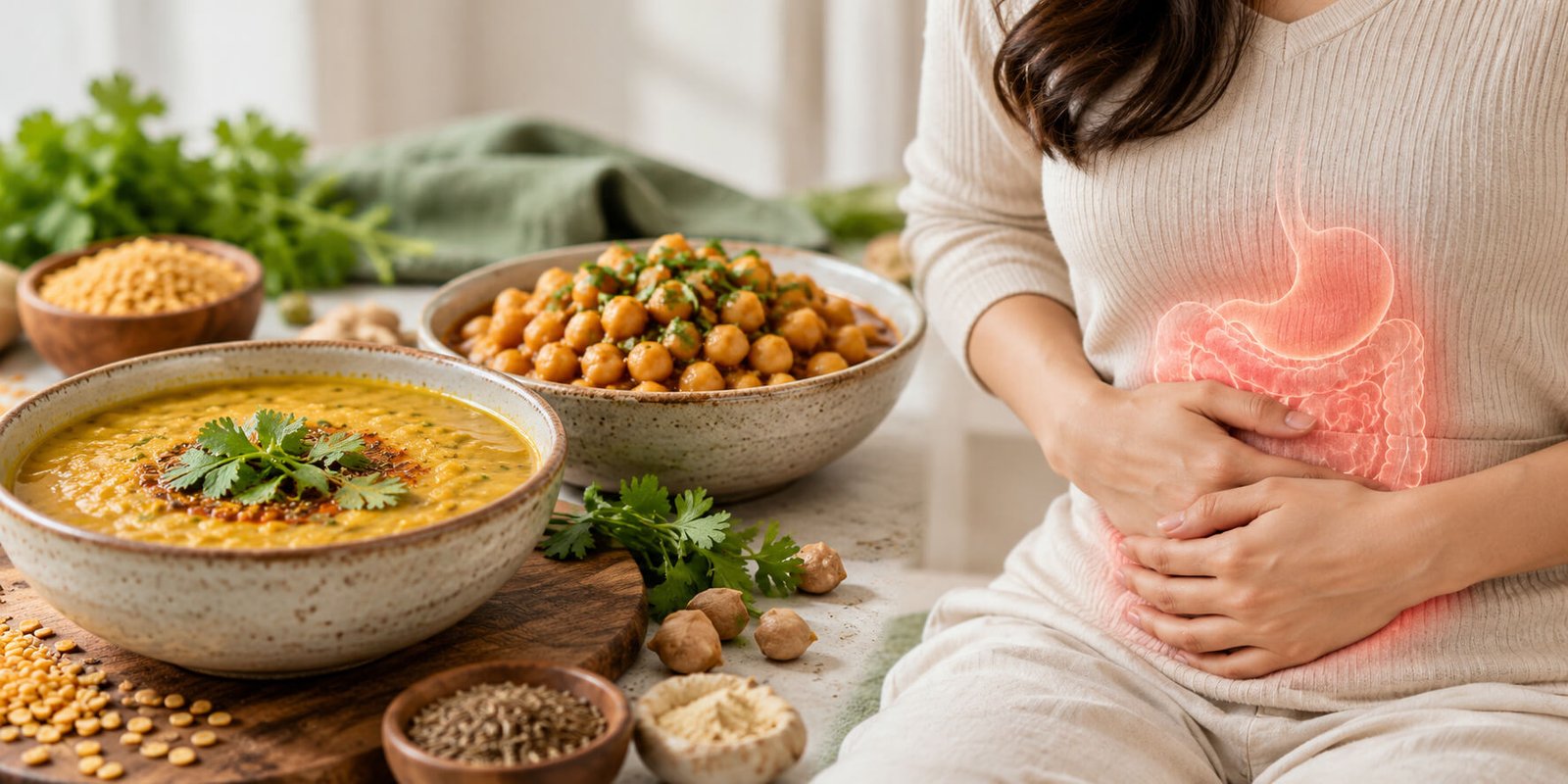
Useful protein options include eggs, chicken, fish, daal, chana, lobia and plain dahi. Try to build the meal around the protein instead of treating it as a small side portion.
Keep Roti and Rice, but Watch the Portion
You usually do not have to eliminate carbohydrates because you have hypothyroidism. Roti and rice can both fit into a thyroid diet plan for weight loss.
Whole-wheat or chakki atta roti is a practical everyday choice because it provides more fibre than refined flour products. Rice can also be included. Brown rice provides more fibre, but you do not have to force yourself to eat it if you prefer white rice.
The more important question is how much carbohydrate you need at that particular meal and what you eat with it.
Make Vegetables a Bigger Part of the Plate
Vegetables increase meal volume without adding a large number of calories. They also provide fibre, vitamins and minerals that support overall health.
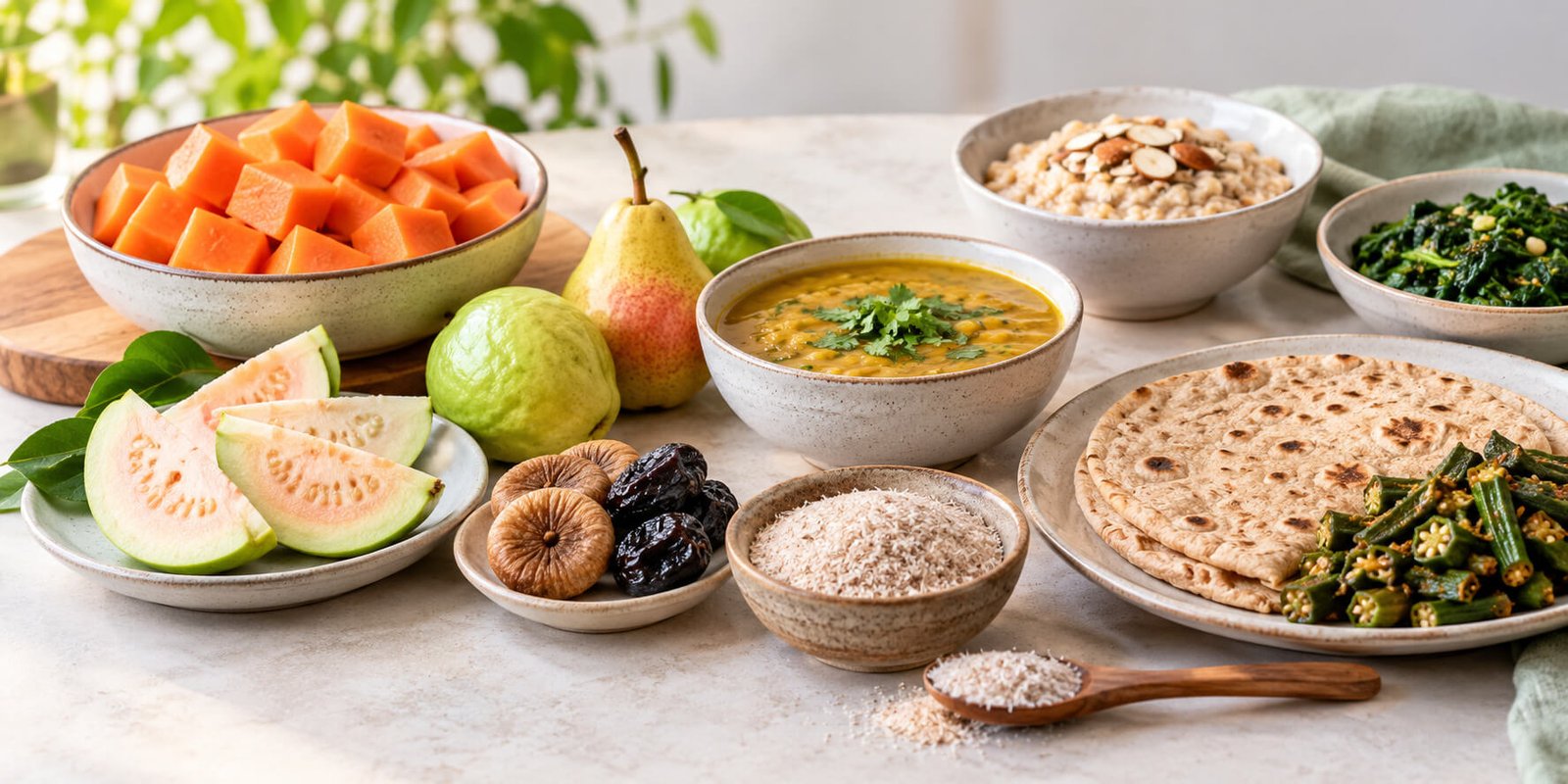
Common Pakistani choices such as bhindi, palak, lauki, tinda, baingan, karela and mixed vegetables can all be included. The method of cooking matters too, so try not to turn a naturally light sabzi into a very calorie-dense dish with excessive oil.
Measure Your Cooking Oil
This is one of the easiest places for calories to increase without you noticing.
A chicken salan, daal or sabzi can contain nutritious ingredients but still become calorie-dense when large amounts of oil or ghee are added. Measuring cooking oil rather than pouring directly from the bottle can make portion control much easier.
If weight management is your main goal, your complete dietary pattern matters more than whether an individual food has been labelled “healthy.”
Which Pakistani Foods Are Good for Thyroid Weight Loss?
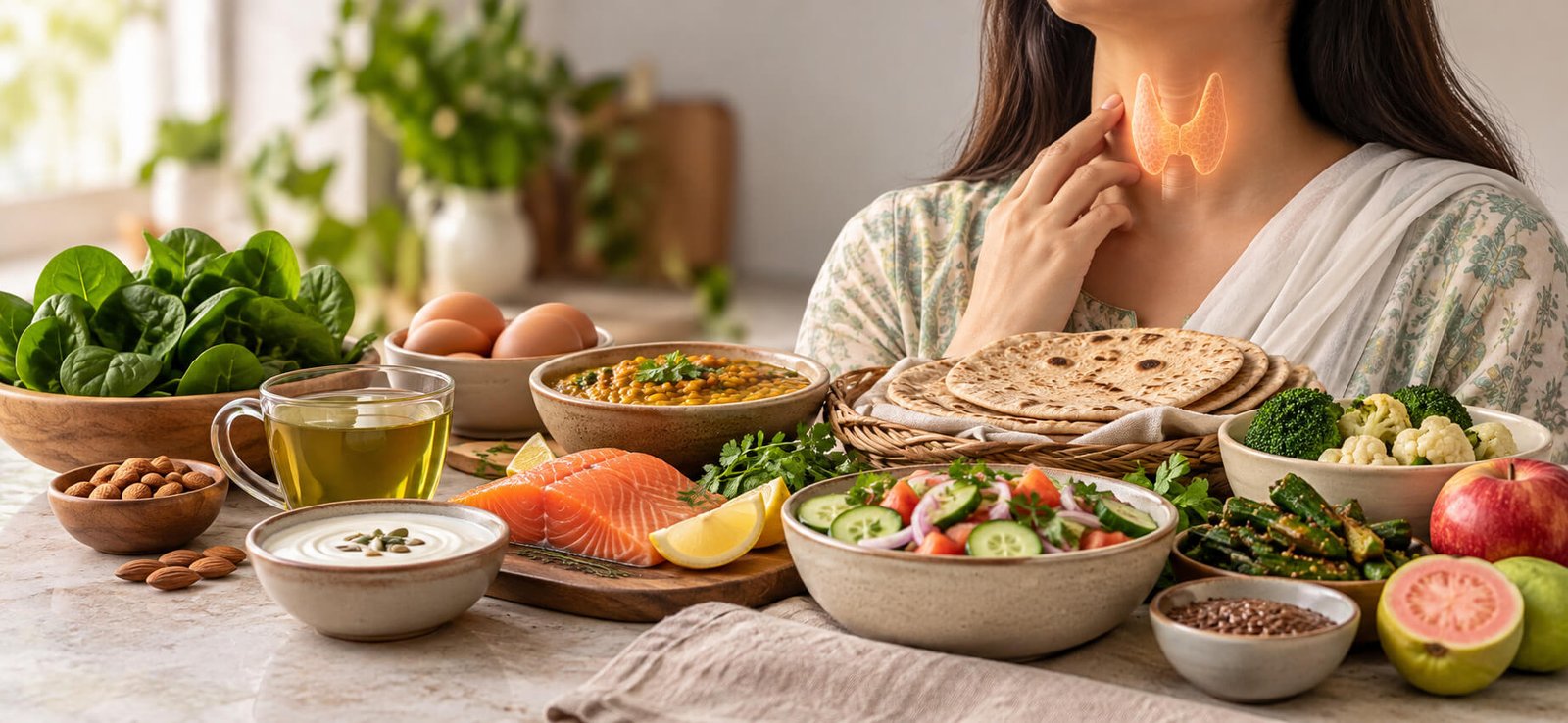
A thyroid-friendly weight loss plan does not need special imported ingredients. Most of the foods you need are already part of a normal Pakistani kitchen.
Good everyday options include:
- Eggs, chicken, fish, daal, chana and lobia for protein
- Whole-wheat roti, oats, potatoes and controlled portions of rice for carbohydrates
- Bhindi, palak, lauki, tinda, baingan and seasonal vegetables
- Guava, apple, kinnow, orange, papaya and other whole fruits
- Plain dahi and milk when appropriate for your individual diet
- Nuts and seeds in small portions
The key is how these foods come together.
For example, two large rotis with a small amount of chicken and an oily salan will have a very different effect on fullness and calorie intake than a meal built around chicken, vegetables, salad and a controlled roti portion.
Which Roti Is Best for Thyroid Patients?
You do not need a special “thyroid roti.”
For most people, regular whole-wheat or chakki atta roti can work perfectly well. Multigrain atta is another option, but it is not compulsory for thyroid health or weight loss.
More importantly, consider portion size and what accompanies the roti. A whole-wheat roti eaten with chicken, daal, dahi and vegetables provides a much more balanced meal than several rotis eaten with a high-oil curry and little protein.
Your ideal number of rotis will depend on your calorie requirements, activity level, body size and the rest of your diet. There is no universal number that works for every thyroid patient.
Can Thyroid Patients Eat Rice?
Yes. Having hypothyroidism does not mean rice must disappear from your meals.
Both white and brown rice can fit into a balanced diet. Brown rice contains more fibre, but white rice is not automatically responsible for weight gain. Portion size and the overall meal are more important.
Try combining rice with protein and vegetables rather than eating a very large rice portion by itself. Daal chawal, chicken with rice or even occasional biryani can fit into a sustainable diet when portions and overall intake are considered.
The goal is not to create a diet that you can follow for ten days. It is to develop a way of eating that you can comfortably maintain.
Pakistani Foods to Limit When Trying to Lose Weight
You may see long lists online describing foods that thyroid patients are supposedly forbidden from eating. In reality, many foods are worth limiting because of their calorie content rather than because they directly harm the thyroid.
Pay particular attention to sugary chai, cold drinks, juices, bakery biscuits, rusks, mithai, deep-fried foods, samosas, pakoras, parathas prepared with generous oil or ghee, and frequently eating large portions of biryani or pulao.
Chai deserves special attention because it is easy to forget the calories coming from multiple cups containing sugar and milk. The biscuits or rusks eaten alongside tea may add even more.
You do not necessarily need to permanently ban these foods. Reducing frequency and portion size is often much more realistic.
Do You Need to Avoid Cabbage, Broccoli and Cauliflower?
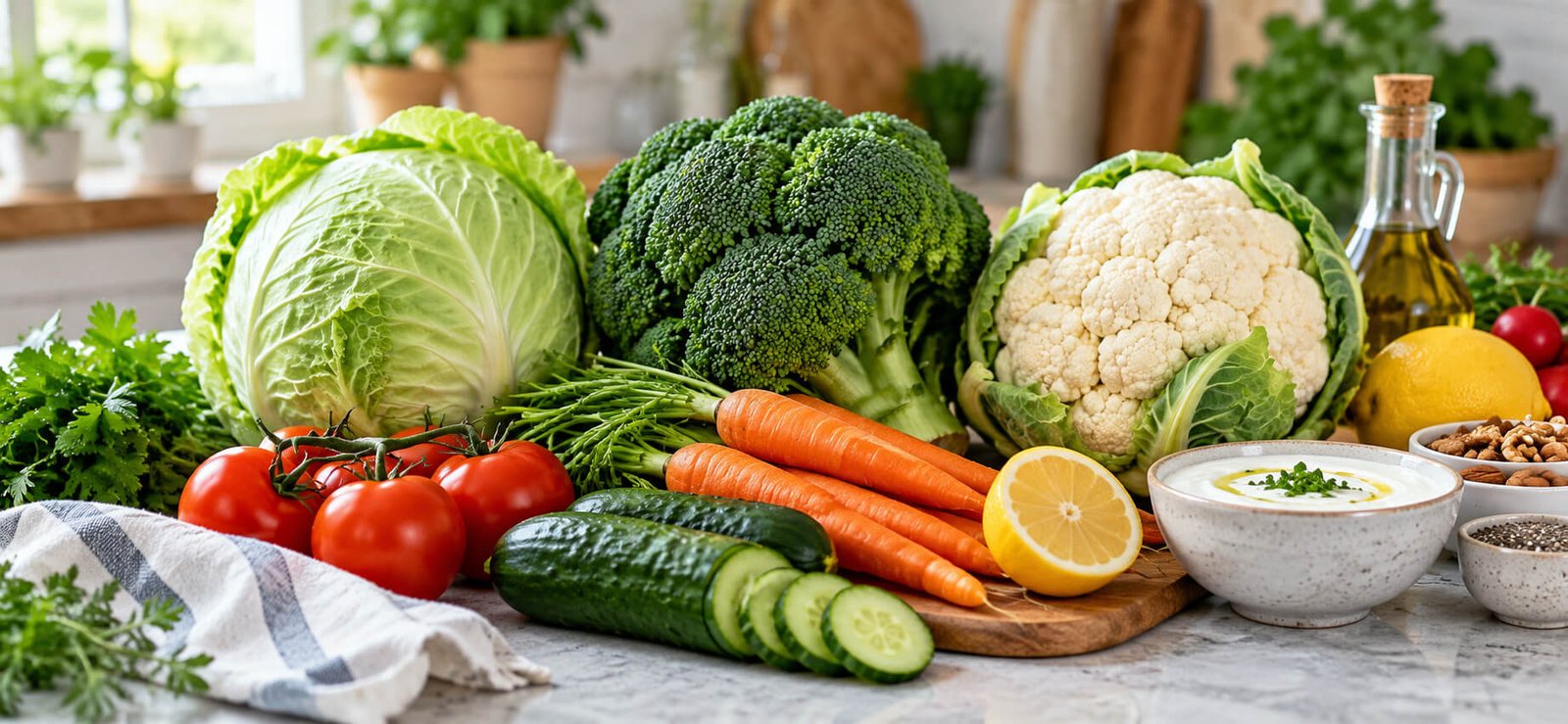
People with hypothyroidism are often told to completely avoid cruciferous vegetables such as cabbage, broccoli and cauliflower because they contain substances called goitrogens.
For most people, normal portions of these foods do not need to be completely eliminated. Cooking also reduces the activity of some goitrogenic compounds.
Problems are more likely to arise from extreme dietary habits, such as consuming unusually large quantities of certain raw cruciferous vegetables every day, particularly when iodine intake is inadequate.
Instead of creating unnecessary food fear, aim for variety. Rotate different vegetables throughout the week.
Iodine and Selenium for Thyroid Health
Iodine and selenium are nutrients involved in normal thyroid function, but more is not always better.
Iodized salt can contribute to iodine intake, while eggs, fish, dairy products and other common foods provide useful thyroid-related nutrients. Selenium can also come from foods such as eggs, meat, fish and several plant foods.
Avoid starting high-dose iodine, selenium, kelp or “thyroid support” supplements without professional guidance. Excessive amounts of certain nutrients can cause problems rather than improve thyroid function.
Thyroid Medicine and Breakfast Timing
If you take levothyroxine or another prescribed thyroid medication, consistency matters.
Levothyroxine is commonly taken on an empty stomach, and food may affect how much medication your body absorbs. Calcium, iron and certain supplements can also interfere with absorption when taken too close to thyroid medicine.
Follow the timing instructions provided by your doctor or prescribing healthcare professional. Do not change the dose or medication schedule because of something you read online.
This is also why your morning chai, breakfast, supplements and medication routine should be considered together when creating a personalized eating plan.
One-Day Pakistani Thyroid Diet Plan for Weight Loss
There is no universal meal plan that is suitable for every person with hypothyroidism. Your calorie and nutritional requirements depend on your body, activity, medical history and goals.
However, a balanced Pakistani day might look something like this.
Breakfast
Have two eggs prepared with vegetables and one small whole-wheat roti. Chai can be included with little or no added sugar, keeping appropriate medication timing in mind.
Mid-Morning
Choose one whole fruit such as an apple, guava or orange with a small portion of nuts if needed.
Lunch
Build your meal around chicken, fish or daal. Add plenty of cooked vegetables or salad and include one roti or a moderate serving of rice according to your needs.
Evening Snack
Roasted chana, fruit or plain dahi can provide a more satisfying snack than biscuits, bakery items or fried snacks.
Dinner
Choose chicken, fish, daal or another protein with vegetables. Add a suitable portion of roti or another carbohydrate if it fits your individual requirements.
If you need more individualized guidance, Dr. Noor’s personalized nutrition services are designed around your health concerns, lifestyle, routine and the foods you actually eat at home rather than relying on a generic meal chart.
A Simple Pakistani Plate Formula for Weight Loss
An easy starting point is to think about proportions rather than complicated food rules.
Aim for roughly half of your plate to come from vegetables, around one-quarter from a source of protein, and the remaining portion from roti, rice, potato or another carbohydrate.
Your exact proportions may need adjusting depending on your requirements, but this approach makes it easier to see whether roti or rice has gradually taken over most of the plate.
Why Am I Not Losing Weight With Hypothyroidism?
If you have been trying to lose weight but progress has stopped, it may not mean that your thyroid has made weight loss impossible.
Your thyroid levels may need medical review, but several everyday factors can also affect progress. Cooking oil, large portions, sugary chai, beverages, frequent restaurant meals, low activity and inadequate sleep can quietly reduce the calorie deficit you thought you were creating.
Protein intake also matters. A breakfast of chai and biscuits followed by a small lunch can leave you extremely hungry later in the day, increasing the likelihood of overeating at dinner.
Look at your entire routine rather than focusing on a single “bad” food.
How Can I Lose 20 Kg With Hypothyroidism?
Losing 20 kg is a significant weight loss goal and should not be approached through crash diets, starvation plans or extremely low carbohydrate diets.
The safest approach is to first make sure your thyroid condition is appropriately managed and then create a sustainable nutritional strategy that gradually reduces body weight while maintaining adequate protein, fibre and essential nutrients.
There is no responsible way to promise exactly how quickly someone with hypothyroidism will lose 20 kg. Your starting weight, medications, thyroid levels, activity, health conditions and consistency all influence progress.
Do You Need a Gluten-Free Diet for Hypothyroidism?
Not everyone with hypothyroidism needs to avoid gluten.
A gluten-free diet may be necessary for someone who has celiac disease or another medically identified reason to avoid gluten, but simply having an underactive thyroid does not automatically mean wheat must be removed.
Unnecessary restriction often makes diets harder to follow and can increase anxiety around food. A better approach is to individualize nutrition according to your actual medical needs.
Can You Drink Chai With Hypothyroidism?
Yes, chai can still be part of your routine.
For weight loss, pay attention to how much sugar you add and how often you drink it. Several cups of sweet chai plus biscuits throughout the day can contribute a surprising number of calories.
If you take thyroid medication in the morning, also follow the recommended gap between your medicine and breakfast or drinks. Your healthcare professional can advise you about the timing appropriate for your medication.
Building a Thyroid Diet Around Your Real Life
Living with hypothyroidism does not mean eating boiled chicken, avoiding every carbohydrate or following an expensive collection of “thyroid foods.”
A sustainable thyroid diet for weight loss can include roti, rice, daal, chicken, vegetables, fruit and even occasional biryani. The difference comes from portions, protein intake, cooking methods, consistency and whether the overall diet matches your nutritional needs.
Dr. Noor provides personalized online nutrition consultations for people across Pakistan, including individuals managing thyroid concerns alongside weight goals. Plans are built around your medical needs, lifestyle, food preferences and everyday Pakistani meals so that improving your diet feels practical rather than restrictive.
Frequently Asked Questions
What Should I Eat to Lose Weight With Thyroid?
Build most meals around a good protein source, plenty of vegetables and a controlled portion of roti, rice or another carbohydrate. Limit excessive cooking oil, sugary drinks and highly calorie-dense snacks.
What Pakistani Food Is Good for Weight Loss?
Daal, eggs, chicken, fish, chana, lobia, dahi, vegetables, whole fruits and whole-wheat roti can all be useful. Portions and cooking methods are just as important as food selection.
Which Roti Is Best for Thyroid?
Whole-wheat or chakki atta roti is a practical choice for most people. You usually do not need a special thyroid flour or expensive diet atta.
Can Thyroid Patients Eat Rice?
Yes. Both white and brown rice can be included in suitable portions. Pair rice with protein and vegetables rather than making it the largest part of every meal.
Can I Eat Roti Every Day With Hypothyroidism?
Yes, if it fits your individual carbohydrate and calorie requirements. The number and size of rotis should be adjusted according to your needs.
Is Lemon Water Good for Thyroid Weight Loss?
Lemon water can help with hydration, but it does not burn thyroid-related fat or treat hypothyroidism. There is no special morning drink that replaces a balanced diet and appropriate medical treatment.
How Can I Lose 20 Kg With Hypothyroidism?
Focus on gradual, sustainable weight loss rather than trying to lose 20 kg quickly. Make sure your thyroid is appropriately managed, create a suitable calorie deficit, eat enough protein, stay active and seek personalized guidance when needed.