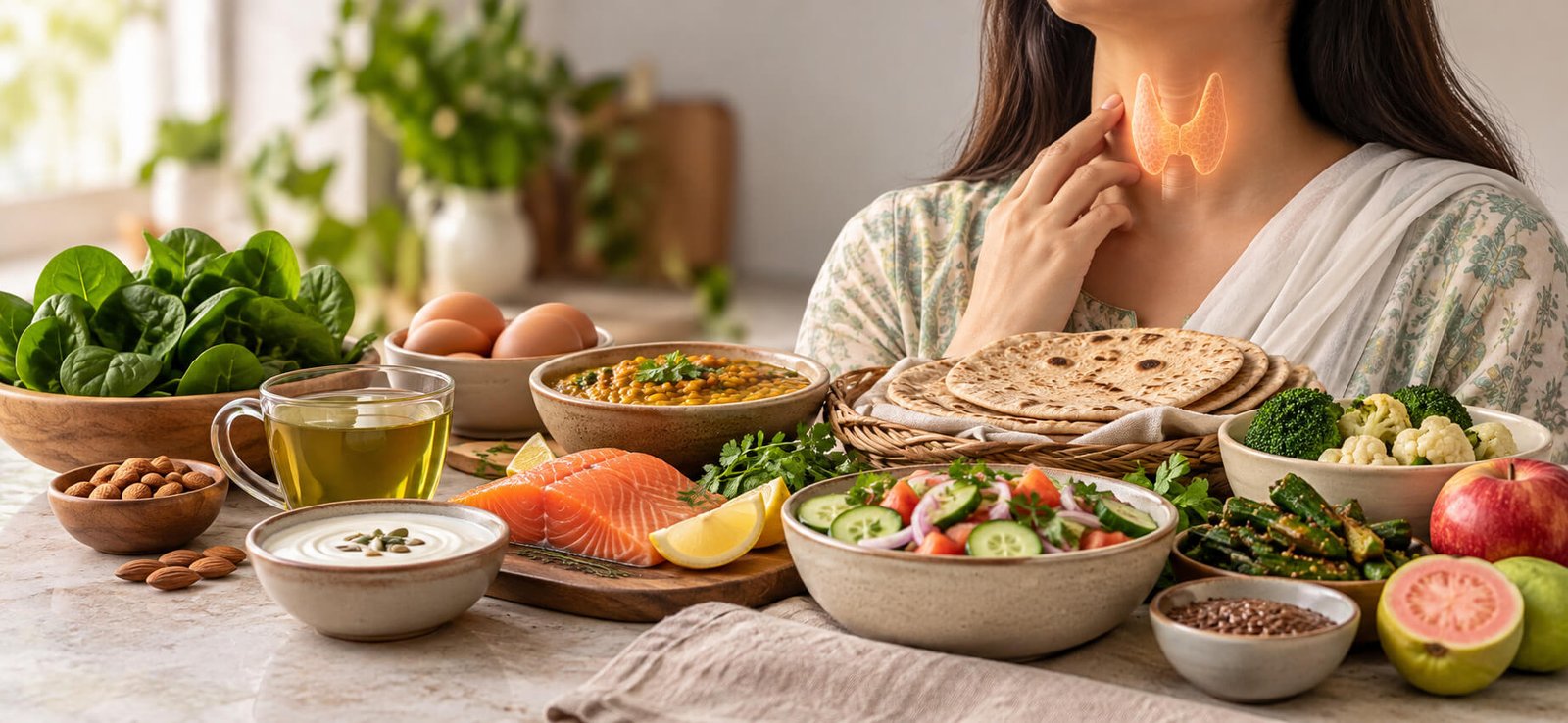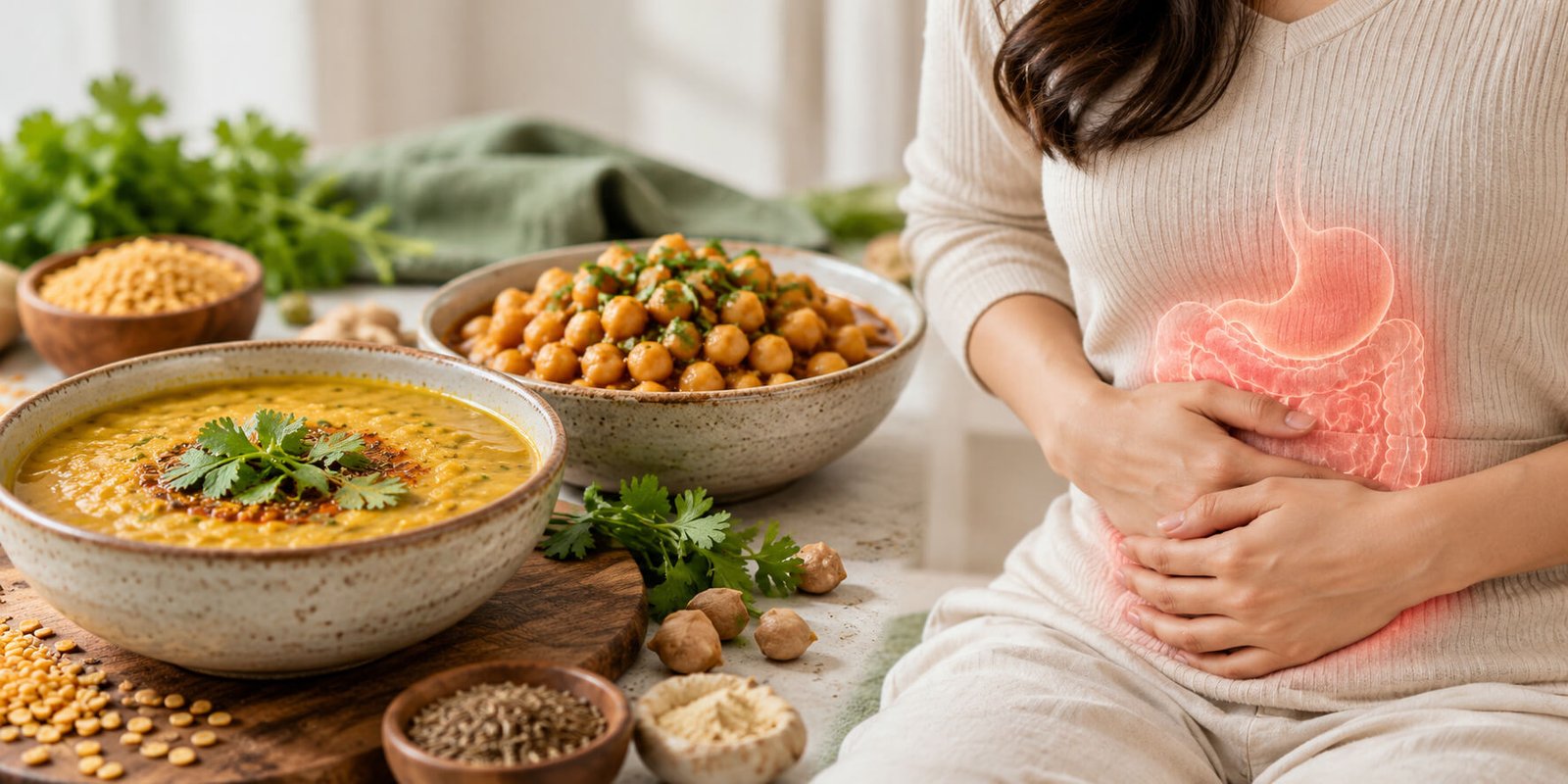
Constipation can make something as ordinary as eating feel complicated. You may hear that you need more fiber, more water, papaya, ispaghol or soaked anjeer, but knowing what to actually put on your plate is often less clear.
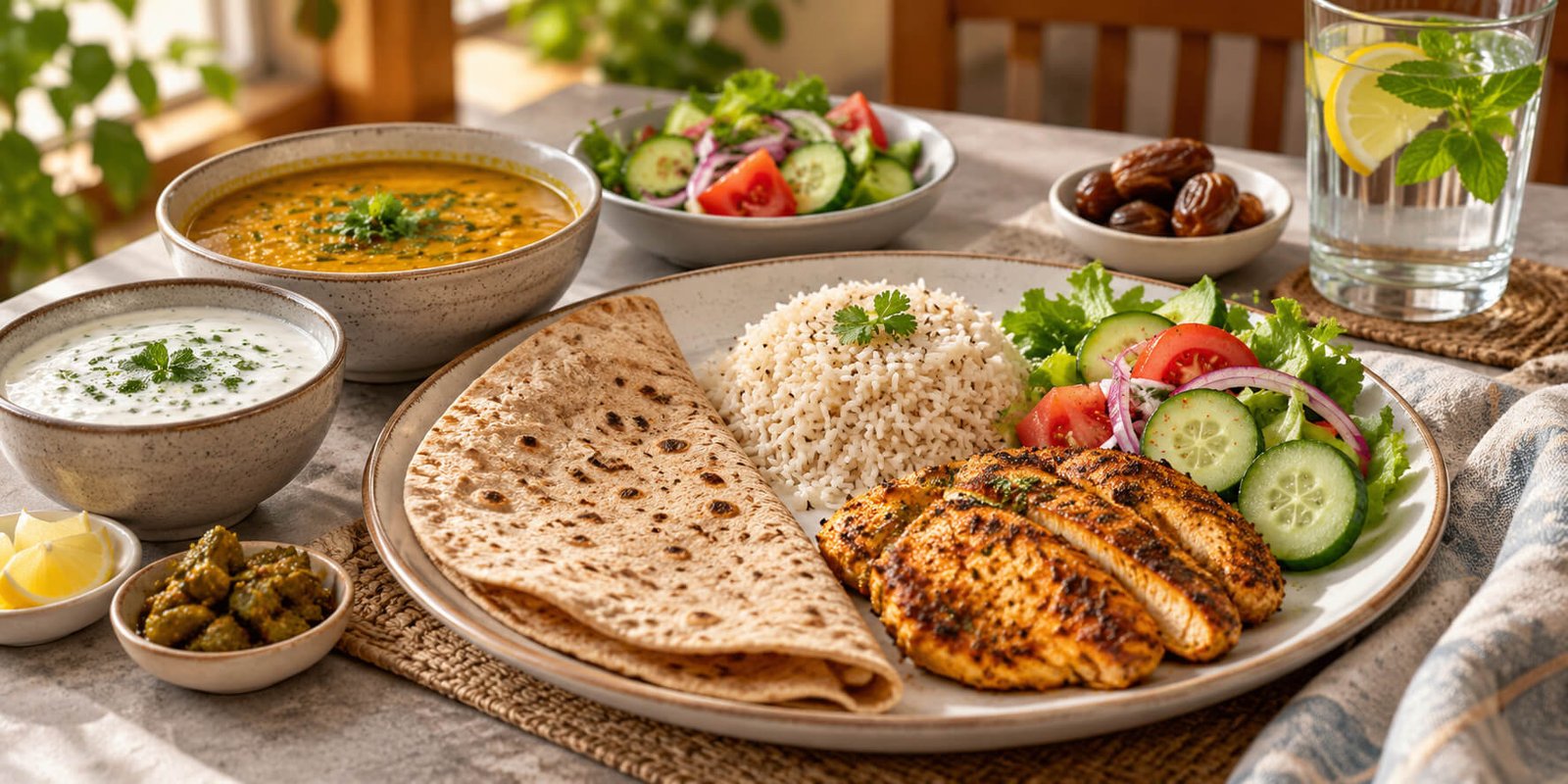
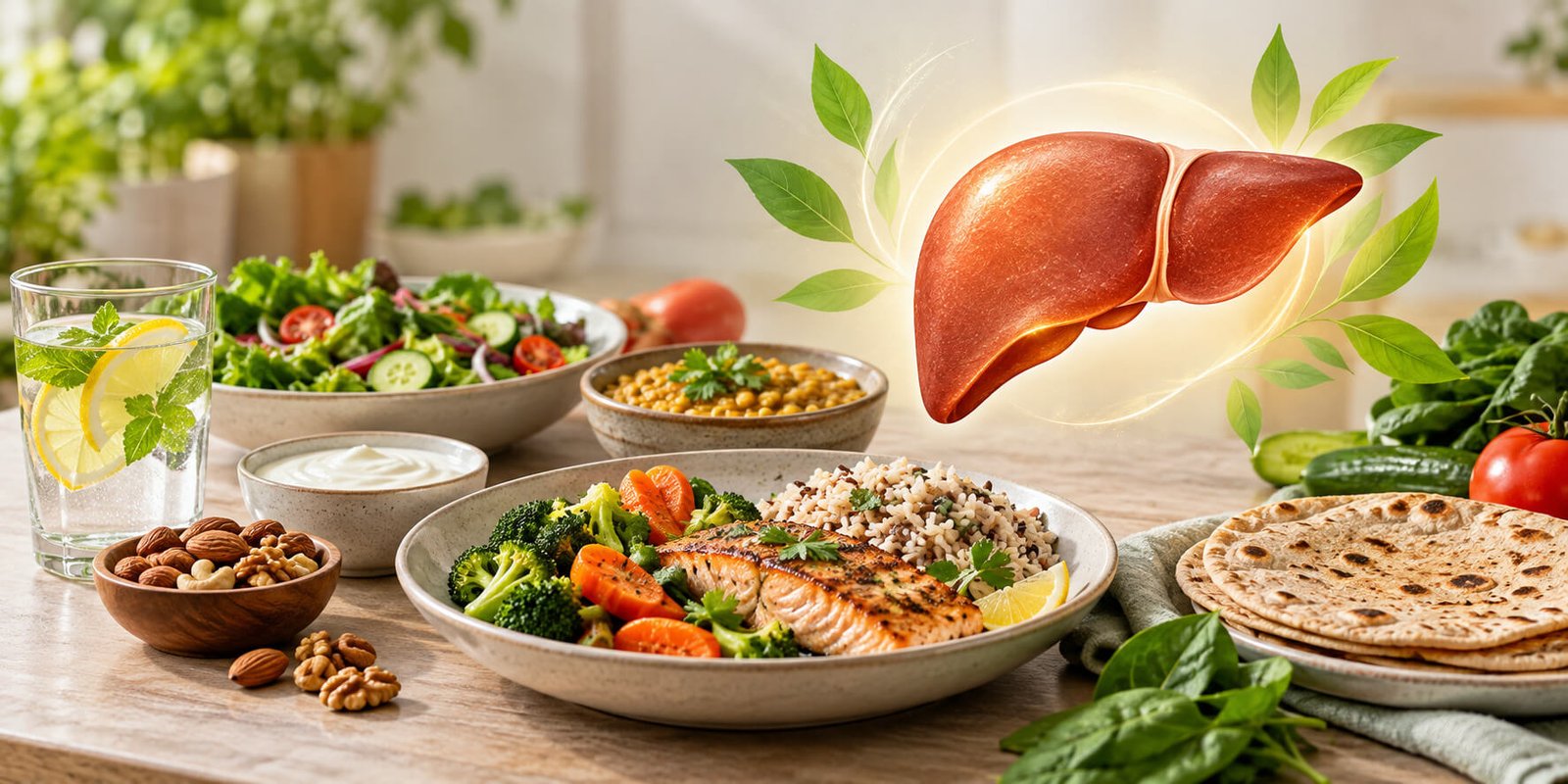
The good news is that a constipation-friendly diet does not require expensive health foods or a completely different menu from your family. Everyday Pakistani foods such as daal, chana, bhindi, palak, whole-wheat roti, dalia and fresh fruit can all help you build a more fiber-rich eating pattern.
The goal is not to find one food that makes constipation disappear overnight. It is to improve the overall balance of your meals while paying attention to fluids, fiber and how your digestive system responds.
What Should You Eat When You Are Constipated?
When you are constipated, focus on foods that provide dietary fiber along with enough fluid throughout the day. Fiber adds bulk to stool and can help it move through the digestive system more comfortably.
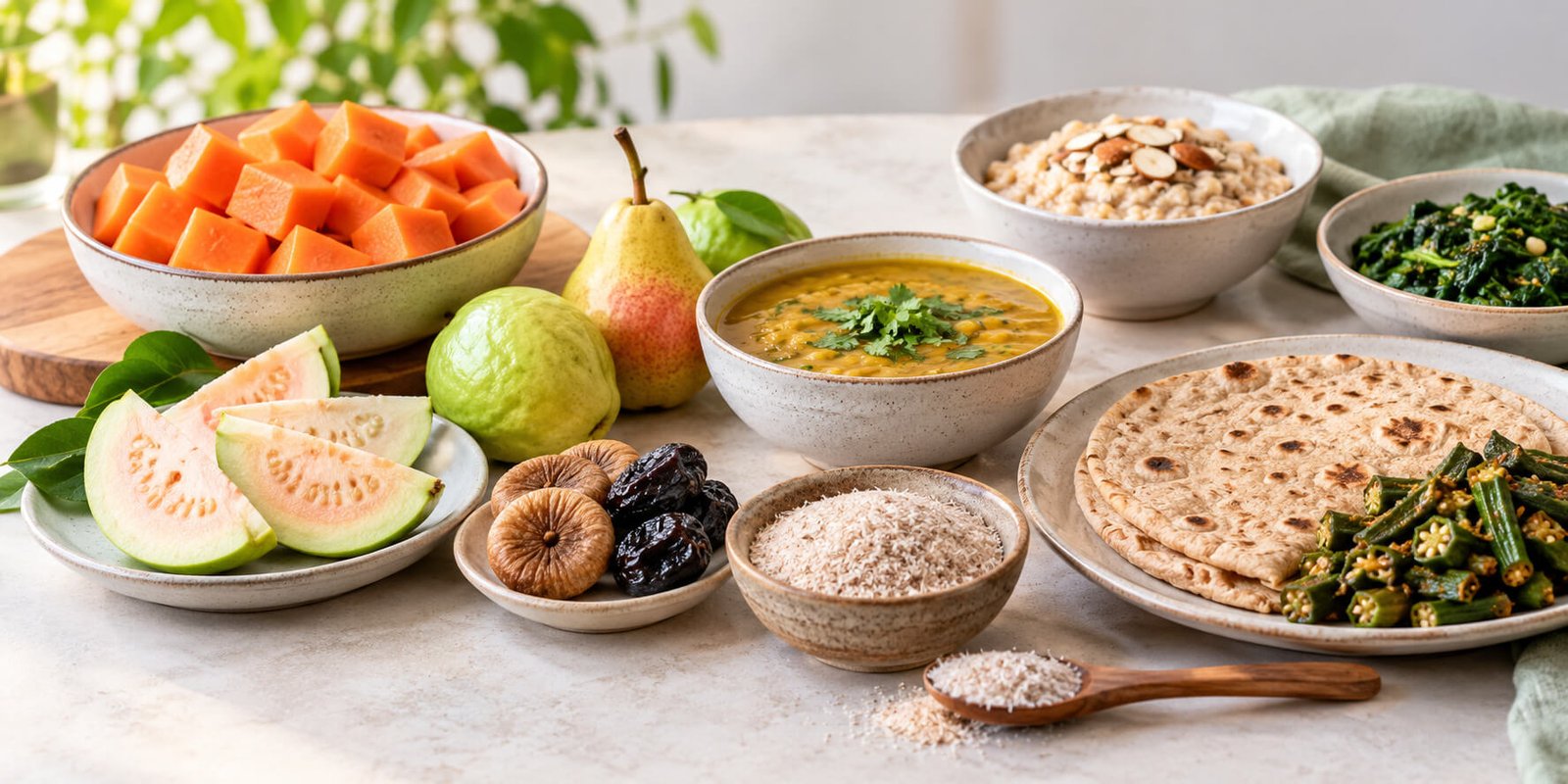
Useful Pakistani foods for constipation include:
- Papaya, guava, pears, kiwi and prunes
- Daal, chana and lobia
- Bhindi, palak, carrots and other vegetables
- Whole-wheat roti, oats and dalia
- Flaxseed, chia seeds and ispaghol
- Soups, water and other suitable fluids
You do not need to eat all of these foods at once. In fact, suddenly adding large amounts of fiber can cause more gas and bloating. Gradual changes are usually easier to tolerate.
Why Does Fiber Help With Constipation?
Fiber is the part of plant foods that your digestive system does not completely break down. Different types of fiber behave differently in the gut, but together they can help increase stool bulk, retain water and support regular bowel movements.
Adults generally need a fiber-rich diet, but individual requirements vary. If your current diet is mostly white bread, refined flour, rice, meat and low-fiber snacks, increasing fiber slowly is usually more comfortable than making an extreme change overnight.
Fluids matter too. Adding large amounts of bran, seeds or ispaghol while drinking very little can leave you feeling more uncomfortable rather than better.
10 Pakistani Foods That Can Help With Constipation
You probably already have several useful constipation-friendly foods in your kitchen. Instead of searching for imported products, start with foods that naturally fit your normal meals.
1. Papaya
Papaya provides fiber and contains plenty of water, making it an easy fruit to include when constipation is a concern. You can eat it at breakfast, as a snack or after a meal.
It does not need to be taken on an empty stomach to be useful. What matters more is regularly including whole fruit as part of an overall fiber-rich diet.
2. Guava
Amrood is one of the most practical high-fiber fruits available in Pakistan. Eating the whole fruit provides considerably more fiber than drinking fruit juice.
If the seeds or skin feel uncomfortable for your digestion, individual tolerance matters. There is no need to force yourself to eat a particular fruit simply because it has a reputation for helping constipation.
3. Pears
Pears contain fiber and naturally occurring sugars that can support bowel regularity. Eat the fruit whole when possible rather than relying on juice.
Apples, oranges and other seasonal fruits can also contribute to your daily fiber intake, so your diet does not need to depend on one specific fruit.
4. Prunes
Prunes are dried plums and are commonly used for constipation because they provide fiber as well as naturally occurring sorbitol.
Fresh aloo bukhara can also be included when in season, although fresh plums and dried prunes are not nutritionally identical.
5. Daal
Moong, masoor and other lentils are useful sources of fiber and can fit easily into a Pakistani constipation diet.
Daal does not have to be eaten in huge portions. A bowl of daal alongside sabzi and whole-wheat roti can create a more balanced meal than eating several rotis with mostly oily gravy.
6. Chana and Lobia
Chickpeas and beans contain substantial amounts of fiber, but they can also cause gas in some people, particularly when portion sizes increase suddenly.
If this sounds familiar, understanding why daal and chana cause gas can help you adjust portions and preparation rather than unnecessarily removing these nutritious foods.
7. Bhindi
Bhindi is an easy way to add more vegetables and fiber to an everyday Pakistani meal. Pair it with daal, chicken or another protein and whole-wheat roti for a balanced plate.
Try not to turn every vegetable into a very oily dish. The overall preparation of your meal still matters.
8. Palak and Other Sabzi
Palak, lauki, tori, carrots and mixed vegetables can all contribute fiber and variety.
A simple habit is to make sure vegetables have a visible place on your lunch and dinner plate instead of allowing the meal to consist almost entirely of roti, rice and meat.
9. Whole-Wheat Roti
Whole-wheat roti can provide more fiber than breads made mainly with refined flour.
This does not mean rice has to be banned. If you regularly wonder how these staples compare, the roti versus rice guide explains why the complete meal and portion matter more than treating either food as forbidden.
10. Oats and Dalia
Oats and dalia are practical breakfast options when you want to increase whole grains and fiber.
You can prepare them sweet with fruit, cinnamon and nuts or savoury with vegetables and spices. If eggs are not part of your routine, there are also several healthy Pakistani breakfasts without eggs built around daal, chana, dahi, oats and whole grains.
Does Ispaghol Help With Constipation?
Ispaghol, also known as psyllium husk, is a type of soluble fiber commonly used for constipation. It absorbs liquid and forms a gel-like consistency, which can help make stool easier to pass.
However, more is not always better. Taking large amounts without enough fluid may cause discomfort, and people with certain digestive or medical conditions may need individualized advice.
Rather than treating ispaghol as a nightly cure for every digestive problem, think of it as one possible fiber option within a broader eating pattern.
Are Anjeer and Kishmish Good for Constipation?
Anjeer and kishmish can contribute fiber and naturally occurring sugars, so they can be included in a constipation-friendly diet. Some people enjoy soaking dried fruit before eating it, but soaking is not a requirement for everyone.
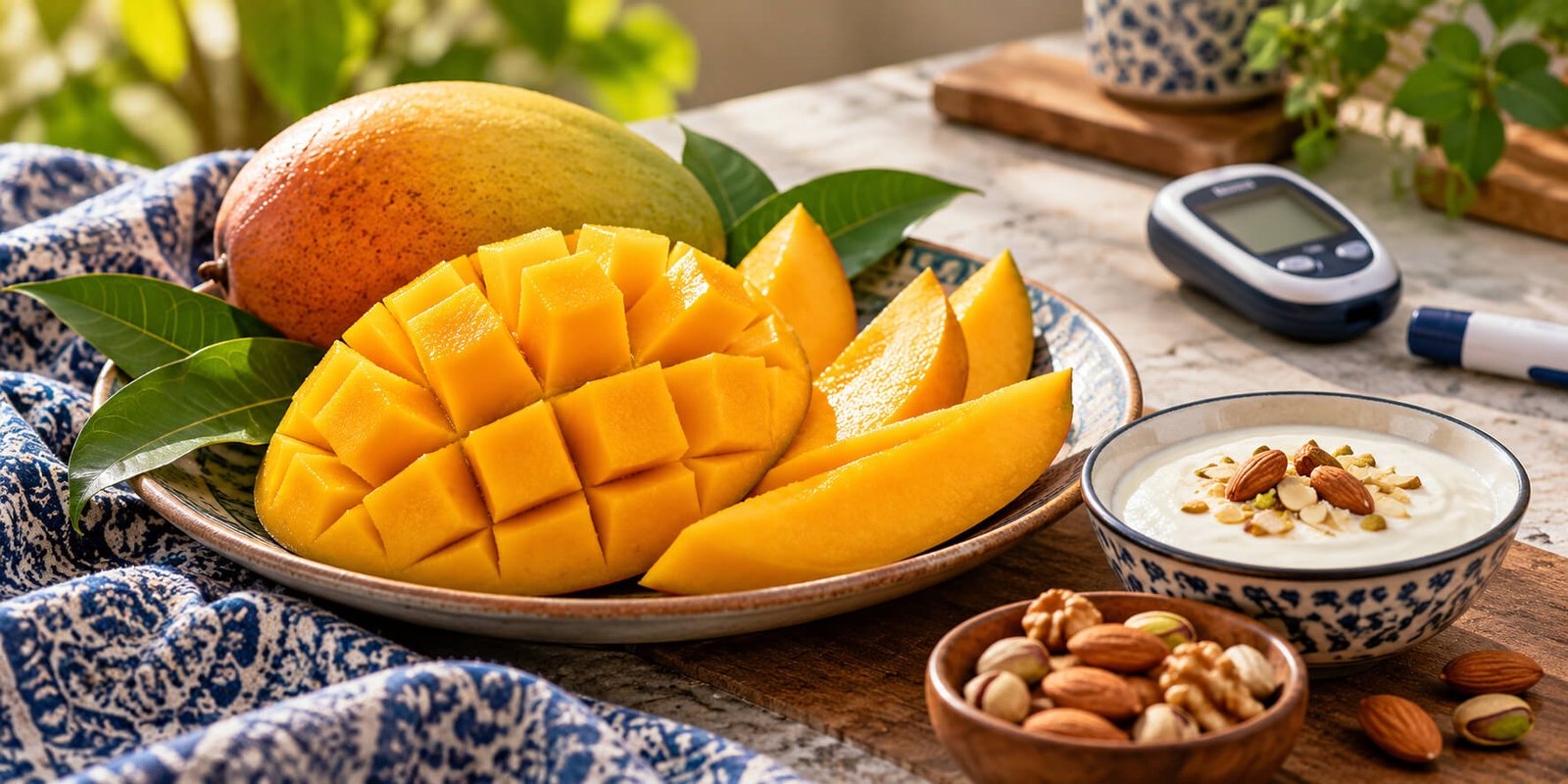
Dried fruit is also more concentrated in natural sugar than fresh fruit. If you have diabetes, insulin resistance or another condition affecting blood glucose, portion size may need more consideration.
Is Roti or Rice Better for Constipation?
Whole-wheat roti usually provides more fiber than polished white rice, so it may be useful when you are trying to increase your overall fiber intake.
That does not mean white rice causes constipation or needs to disappear from your plate.
Rice served with daal, chana and plenty of vegetables creates a very different meal from a large plate of white rice with little fiber elsewhere. Your complete meal matters more than judging a single food in isolation.
What Foods Should You Limit When Constipated?
Constipation is rarely caused by one food. However, a diet built mainly around low-fiber, highly refined foods can make it harder to get the fiber your digestive system needs.
Try not to rely heavily on:
- Maida-based bakery foods and white bread
- Biscuits, rusks and packaged snacks as regular meals
- Frequent deep-fried foods such as pakoras and puri
- Large meat-heavy meals with little sabzi or daal
- Fast food that replaces fruit, vegetables and whole grains
You do not have to label these foods as completely forbidden. The bigger issue is what your normal eating pattern looks like over days and weeks.
What Should a Pakistani Constipation-Friendly Day Look Like?
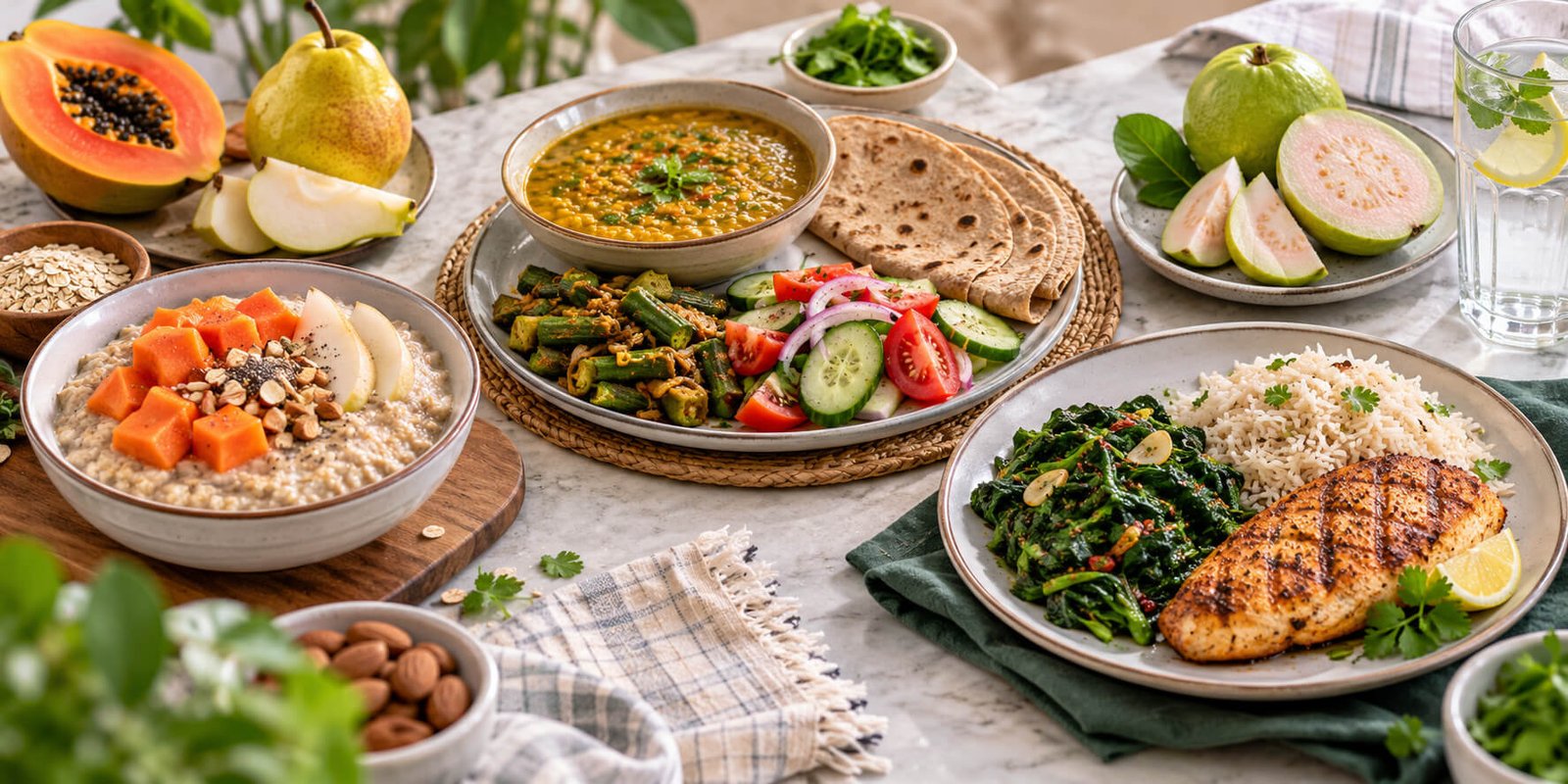
There is no single meal plan that suits everyone, but a simple day can show how familiar foods fit together.
Breakfast
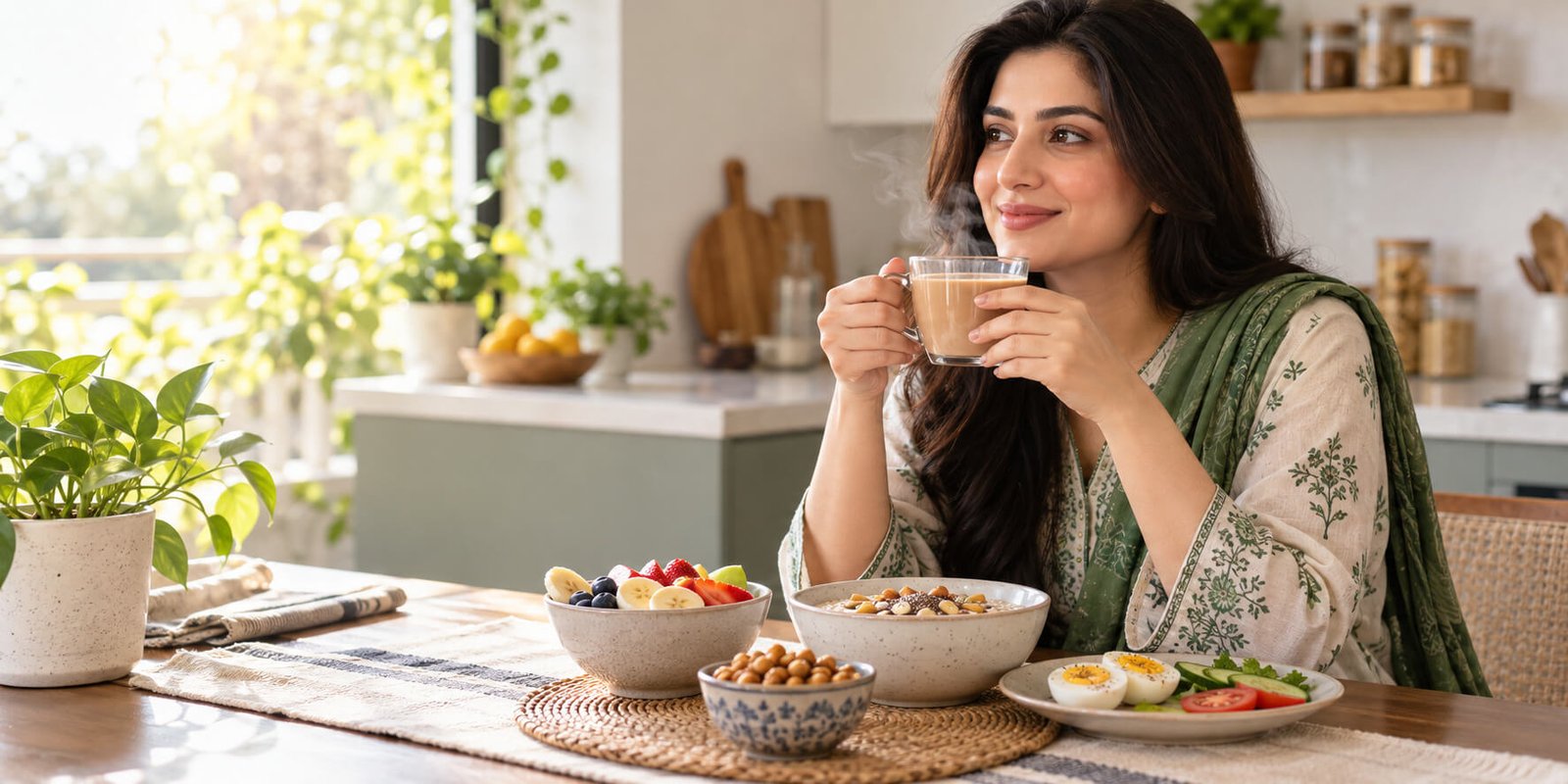
Try dalia or oats with fruit and a small amount of ground flaxseed. A savoury option could be moong dal chilla with vegetables and dahi.
Lunch
A balanced lunch could include daal, one or more appropriately sized whole-wheat rotis, bhindi or another sabzi, and salad.
You could also have rice with daal and mixed vegetables. Rice does not need to be removed simply because you are constipated.
Snack
Choose whole fruit such as papaya, pear or guava. A small portion of prunes or dried fruit can also be included if appropriate for your health needs.
Dinner
Chicken, fish or daal can be paired with palak, bhindi or another vegetable and a suitable serving of roti or rice.
Throughout the day, drink fluids regularly rather than trying to compensate by drinking an excessive amount all at once before bed.
What If Fiber Makes You More Bloated?
This is an important point because increasing fiber does not always feel comfortable immediately.
If you normally eat very little fiber and suddenly start consuming large servings of chana, bran, vegetables, seeds and ispaghol, you may experience more gas, abdominal fullness or bloating.
Increase fiber gradually and see how your body responds. People with IBS or a sensitive digestive system may need to be particularly careful with the type and amount of fiber they introduce.
Persistent bloating does not mean that every fiber-rich food is bad for you. Sometimes the portion, preparation method or combination of foods matters more.
When Constipation Needs More Than a Diet Change
Food can help with many cases of constipation, but constipation is not always simply a fiber problem. Medications, low physical activity, pregnancy, IBS and other health conditions may contribute.
Seek medical advice if constipation is persistent, keeps returning or is accompanied by significant abdominal pain, vomiting, blood in the stool, unexplained weight loss or a major change in your normal bowel habits.
You should also avoid continuously adding more fiber if your symptoms are becoming worse rather than improving.
Personalized Nutrition for Digestive Health
Your digestive symptoms, food tolerance and daily routine are personal, so the right diet may look different from someone else’s. Dr. Noor provides personalized nutrition consultations exclusively online across Pakistan, helping clients build practical eating plans around their digestive concerns, medical history and everyday Pakistani foods. The focus is not on handing you a long list of foods to avoid, but on finding an eating pattern that is realistic, nutritionally balanced and comfortable for you.
Frequently Asked Questions
What Foods Help With Constipation Quickly?
Prunes, kiwi, pears and other fiber-containing fruits may help support bowel movements, while psyllium can also be useful for some people. However, no food can guarantee immediate relief, especially if constipation has another underlying cause.
Is Papaya Good for Constipation?
Papaya can be a useful choice because it provides fiber and water. It can be eaten as part of breakfast or as a snack, but you do not need to eat it at a specific time of day.
Is Ispaghol Good for Constipation?
Ispaghol is a soluble fiber commonly used to support bowel regularity. It needs adequate fluid and may not be suitable in the same amount for everyone, so avoid assuming that larger doses will work better.
Is Rice Bad for Constipation?
Rice is not automatically bad for constipation. White rice contains less fiber than many whole grains, but it can still fit into a meal containing daal, beans and vegetables.
Can Bananas Cause Constipation?
Bananas affect people differently, and their ripeness can also change their nutritional characteristics. There is no need to automatically remove bananas unless you notice that they consistently worsen your symptoms.
What Should I Eat for Constipation and Gas?
If constipation occurs alongside gas, increase fiber gradually rather than suddenly eating very large servings of beans, lentils or bran. Well-cooked vegetables, suitable portions of lentils, fruit and adequate fluids may be easier to introduce step by step.
Can Too Much Fiber Make Constipation Worse?
Increasing fiber too quickly can cause bloating, gas and discomfort. If you are using fiber supplements or greatly increasing high-fiber foods, adequate fluid intake and gradual adjustment are important. Persistent constipation should be assessed rather than treated by continuously adding more fiber.