Booking your first appointment with a dietitian can feel surprisingly personal. You may wonder what you will be asked, whether you need blood tests, whether you will be told to stop eating roti or rice, or whether you will leave the session with a strict diet chart.
A first dietitian appointment is usually much more conversational than people expect. It is a chance to understand your health, eating habits, daily routine, concerns, and goals before deciding what changes would actually make sense for you.
If you are looking for a dietitian in Lahore, Dr. Noor offers consultations exclusively online. The process is designed to give you personalized nutrition guidance without requiring travel, while still taking your Pakistani food habits, family meals, lifestyle, and health needs into account.
What Happens During a First Dietitian Appointment?
Your first dietitian appointment is primarily an assessment. Instead of beginning with a list of foods you cannot eat, your dietitian first needs to understand the bigger picture of your health and everyday life.
The conversation may cover your medical history, recent laboratory results, medications, supplements, usual meals, activity levels, sleep, work routine, symptoms, and the reason you decided to seek nutrition support.
You Discuss Why You Booked the Consultation
The session usually begins with a simple question: what would you like help with?
Some people want support with weight loss or healthy weight gain. Others may be managing PCOS, diabetes, thyroid concerns, digestive problems, fatty liver, pregnancy nutrition, or simply want to understand how to eat better without constantly following new diets.
Your reason for booking helps shape the rest of the conversation. Someone managing blood sugar will need a different assessment from someone struggling with digestive discomfort or irregular eating because of a demanding work schedule.
Your Health History Is Reviewed
Nutrition does not exist separately from the rest of your health. Your dietitian may ask about diagnosed medical conditions, past illnesses, symptoms, previous treatments, family history, and any major changes you have noticed recently.
This is especially important when nutrition is being used to support conditions such as PCOS, insulin resistance, diabetes, thyroid disorders, or digestive concerns. Dr. Noor’s personalized nutrition support is built around the individual rather than using the same diet for everyone with the same diagnosis.
Medications, Supplements, and Lab Reports May Be Discussed
If you have recent bloodwork, prescriptions, or medical reports related to your concern, keep them available during your online consultation. They can provide useful context when considered alongside your symptoms and eating patterns.
Your dietitian may also ask about medicines, vitamins, minerals, herbal products, or other supplements you regularly take. Not everyone needs extensive blood testing before seeing a dietitian, so there is no need to arrange random tests unless they have been recommended by an appropriate healthcare professional.
Your Usual Eating Habits Matter More Than a “Perfect” Food Diary
You do not need to clean up your diet for several days before your appointment. Doing that can actually make it harder to understand what your normal routine looks like.
Be prepared to talk honestly about what you usually eat and drink, including meals that feel less healthy. This is not a test, and the goal is not to judge whether you have been eating “good” or “bad” foods.
Your dietitian may ask about:
- Your usual breakfast, lunch, dinner, and snacks
- Tea, coffee, soft drinks, juices, and water intake
- How often you eat restaurant or takeaway food
- Foods you enjoy or dislike
- Food allergies or intolerances
- Meal timing and skipped meals
- Who normally cooks at home
- Your grocery budget and food availability
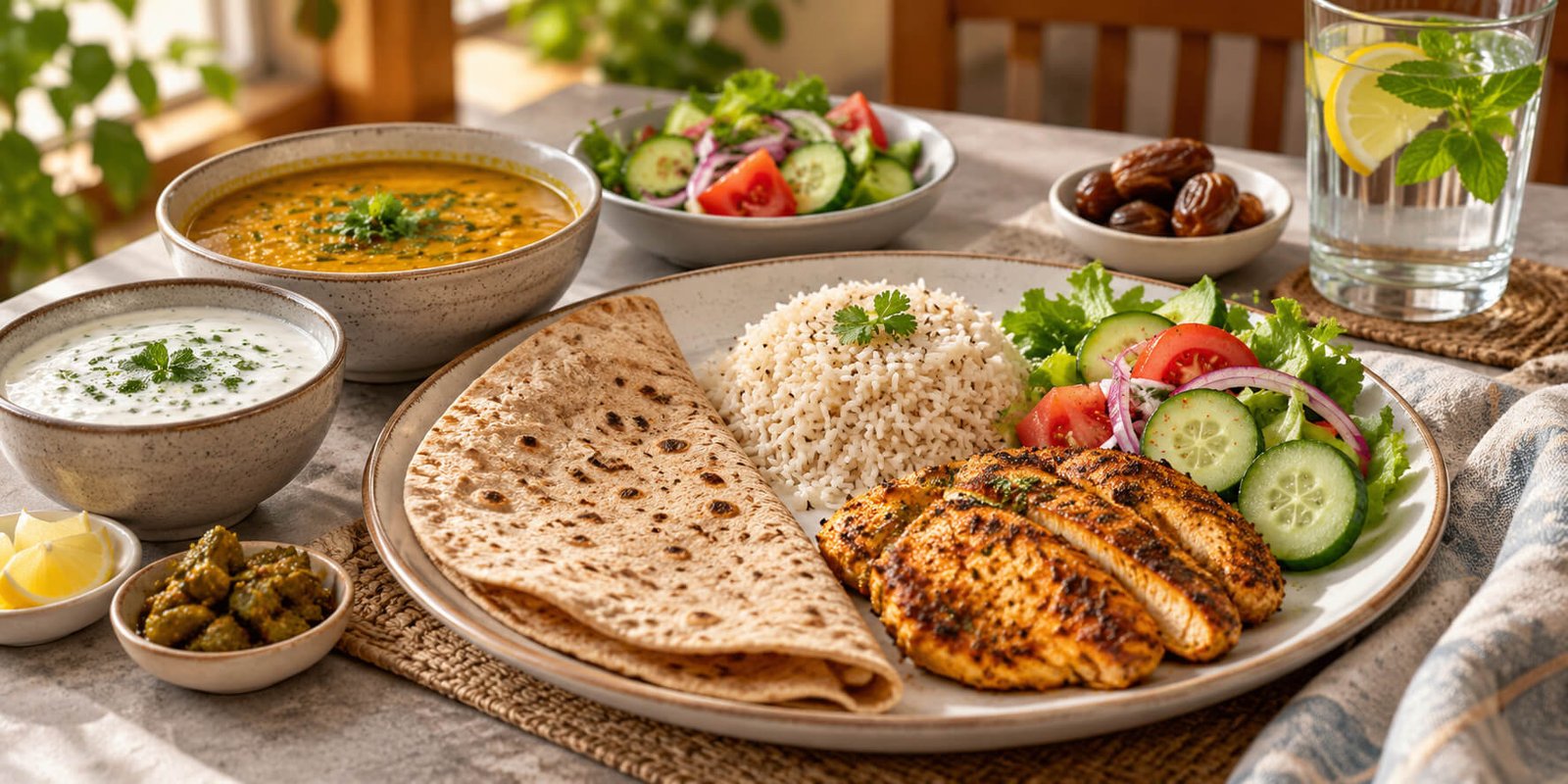
For Pakistani households, this often means discussing real foods such as roti, rice, daal, sabzi, salan, chicken, meat, yogurt, chai, paratha, snacks, and family meals rather than designing a completely separate way of eating.
Your Daily Routine Is Part of the Nutrition Assessment
What you eat matters, but so does the life surrounding your meals. A nutrition plan that ignores your working hours, sleep schedule, family responsibilities, stress, or ability to cook is unlikely to last.
Your dietitian may ask when you wake up, when you work or study, how active you are, how much sleep you get, and what tends to happen on especially busy days. Eating patterns during weekends, social gatherings, travel, and Ramadan may also be relevant.
This is one reason Dr. Noor’s approach to nutrition care focuses on creating realistic habits around the life you already have instead of expecting you to reorganize your entire routine around a diet.
What Questions Will a Dietitian Ask?
There is no single questionnaire that applies to everyone. Questions depend on your health goals and what you want help with.
You may be asked things such as:
- What does a normal day of eating look like for you?
- When do you usually feel most hungry?
- Are there foods you avoid?
- Have you followed diet plans before?
- What worked well and what felt impossible to maintain?
- How often do you eat outside the home?
- How are your energy, sleep, and digestion?
- What medications or supplements are you taking?
- What would you most like to improve?
You may also be asked questions that initially seem unrelated to food. Sleep, stress, exercise, menstrual health, work patterns, and digestive symptoms can all influence how practical nutrition recommendations should be.
Will You Get a Diet Plan During the First Appointment?
Many people book their first consultation expecting to receive a ready-made meal chart within a few minutes. Personalized nutrition requires more thought than that.
The first appointment helps your dietitian gather enough information to decide what is appropriate. Depending on your needs and the type of consultation, you may receive initial recommendations, specific priorities to work on, or a more detailed personalized nutrition plan based on the assessment.
A useful diet plan should reflect your kitchen, food preferences, routine, health needs, and goals. It should not look identical to the plan given to the person who booked before you.
Will You Have to Stop Eating Roti, Rice, or Desi Food?
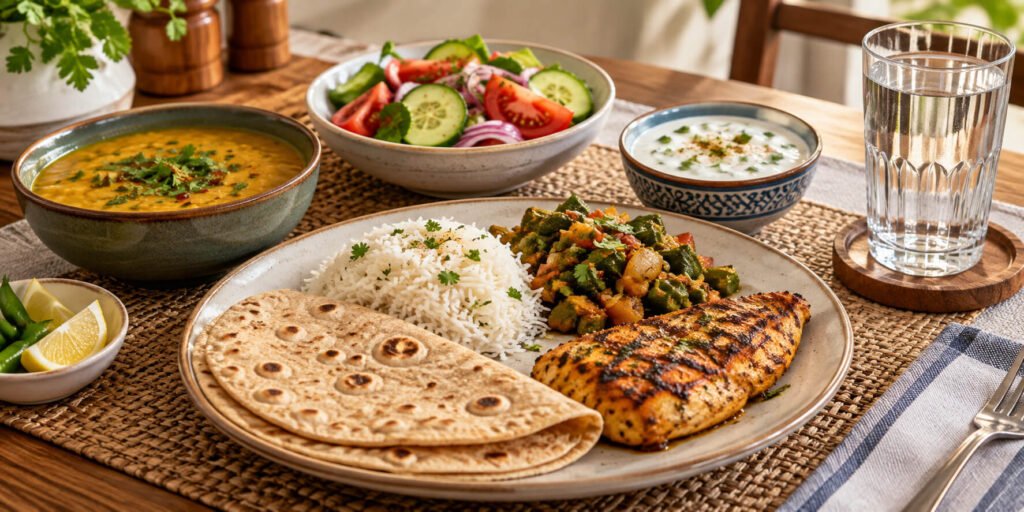
Not automatically. A balanced nutrition plan does not require removing culturally familiar foods simply because you want to lose weight or improve your health.
Roti, rice, daal, vegetables, yogurt, fruit, meat, and other Pakistani foods can all fit into different eating patterns. What may change is the portion, meal balance, preparation method, frequency, or combination of foods depending on your individual needs.
For example, someone working on blood sugar control may benefit from paying closer attention to carbohydrate portions and pairing them with protein, vegetables, and fiber. That does not mean every source of carbohydrates needs to disappear from the plate.
How to Prepare for Your Online Dietitian Appointment
You do not need complicated preparation. A few simple things can help you use your consultation time more effectively.
Keep any relevant recent medical reports and a list of your medications or supplements nearby. Think about what you usually eat over a normal few days rather than what you think you are supposed to eat.
It can also help to write down two or three questions you definitely want answered. These might include whether a certain food is appropriate for your condition, how to manage meals at work, whether you need supplements, or how to handle restaurant meals.
Because Dr. Noor’s consultations are fully online, choose a quiet place where you can talk comfortably. Keep your reports available on your phone or computer and make sure you have a stable internet connection before the session begins.
Should You Keep a Food Diary Before the Appointment?
A short food record can be useful, but it does not need to be perfect. Recording what you normally eat for two or three days may help you remember portions, meal timings, snacks, and drinks during the consultation.
If tracking food makes you anxious or overly focused on every bite, simply describing your normal routine may be more appropriate. Your dietitian can guide you on whether detailed tracking is actually useful for your situation.
What Should You Be Honest About With Your Dietitian?
The more realistic the information you share, the more useful the guidance can be. There is no benefit in saying you never eat sweets, skip meals, order takeaway, or struggle with cravings if those things regularly happen.
You can also mention financial limitations, foods you refuse to eat, lack of time to cook, previous diets you hated, emotional eating, digestive discomfort, or difficulties following past plans. These details are not failures. They are part of designing something you can realistically follow.
What Happens After Your First Consultation?
Your first dietitian appointment is the beginning of a process rather than a one-time verdict on your eating habits. The next steps depend on what you are trying to achieve and how much support you need.
You may begin with specific food changes, meal structure, a personalized plan, or a few focused goals. Follow-up support can then be used to see what is working, solve practical problems, review progress, and adjust recommendations rather than abandoning the entire plan when life gets busy.
What Is It Like to Work With Dr. Noor?
Dr. Noor provides online nutrition consultations for people looking for practical, evidence-based support with weight management, PCOS, thyroid concerns, diabetes, gut health, women’s health, and everyday eating habits.
Her approach is centered on understanding your health and routine first, then creating nutrition guidance around foods you can realistically prepare and eat. The aim is not perfection or restriction. It is to make healthy eating feel more manageable within your actual life.
Frequently Asked Questions
What should I expect at my first dietitian appointment?
Your first appointment usually involves discussing your health history, eating habits, medications, laboratory reports where relevant, lifestyle, symptoms, and goals. This information helps the dietitian make recommendations suited to you instead of starting with a generic diet.
How long does the first dietitian appointment take?
The length depends on the consultation you book and how much information needs to be reviewed. First consultations are generally more detailed than follow-ups because your dietitian needs time to understand your history, habits, and priorities.
What should I prepare before an online dietitian consultation?
Keep relevant medical reports, medication and supplement information, and a general idea of your normal food intake available. It is also helpful to write down the questions or concerns you most want to discuss.
What questions does a dietitian ask?
A dietitian may ask about your usual meals, snacks, drinks, symptoms, medical history, medicines, activity, sleep, food preferences, previous diets, work routine, and health goals. Questions vary depending on why you are seeking nutrition support.
Will a dietitian give me a meal plan at my first appointment?
That depends on your needs and the type of consultation. The dietitian first gathers enough information to understand your health and routine before deciding what recommendations or personalized plan would be most appropriate.
Will I have to stop eating rice or roti?
Not necessarily. Pakistani staples such as rice and roti can often remain part of a balanced eating pattern. Portions, combinations, meal balance, and individual medical needs are usually more important than automatically banning a particular food.
Can I see Dr. Noor if I live in Lahore?
Yes. Dr. Noor works exclusively online, so people living in Lahore can receive nutrition consultations from home without traveling for an appointment.
Can I consult Dr. Noor from outside Lahore?
Yes. Because consultations are conducted online, Dr. Noor can provide nutrition support to clients across Pakistan.