Being told you have insulin resistance can make everyday meals suddenly feel complicated. You may start wondering whether you need to stop eating roti, give up rice, avoid fruit, or prepare completely different meals from the rest of your family.
You usually do not need an extreme diet. A practical insulin resistance diet plan can still include familiar Pakistani foods. The goal is to improve the balance of your plate, choose sensible portions, add more protein and fiber, and reduce foods that make it easy to consume large amounts of refined carbohydrates and added sugar.
What Is Insulin Resistance?
Insulin is a hormone that helps glucose move from your bloodstream into your cells, where it can be used for energy. When you have insulin resistance, your cells do not respond to insulin as efficiently, so your body may need to produce more insulin to manage blood glucose.
Insulin resistance can be associated with prediabetes, type 2 diabetes, PCOS and other metabolic concerns. Nutrition, regular movement, sleep and weight management when appropriate can all play a role in improving metabolic health.
The important part is that you do not need to create a perfect diet overnight. Consistent changes to normal everyday meals are usually much more useful than following a restrictive plan for a few weeks.
What Should a Pakistani Insulin Resistance Diet Look Like?
A balanced Pakistani plate can work very well for insulin resistance. Instead of focusing only on removing carbohydrates, think about what you can add to make the entire meal more balanced.
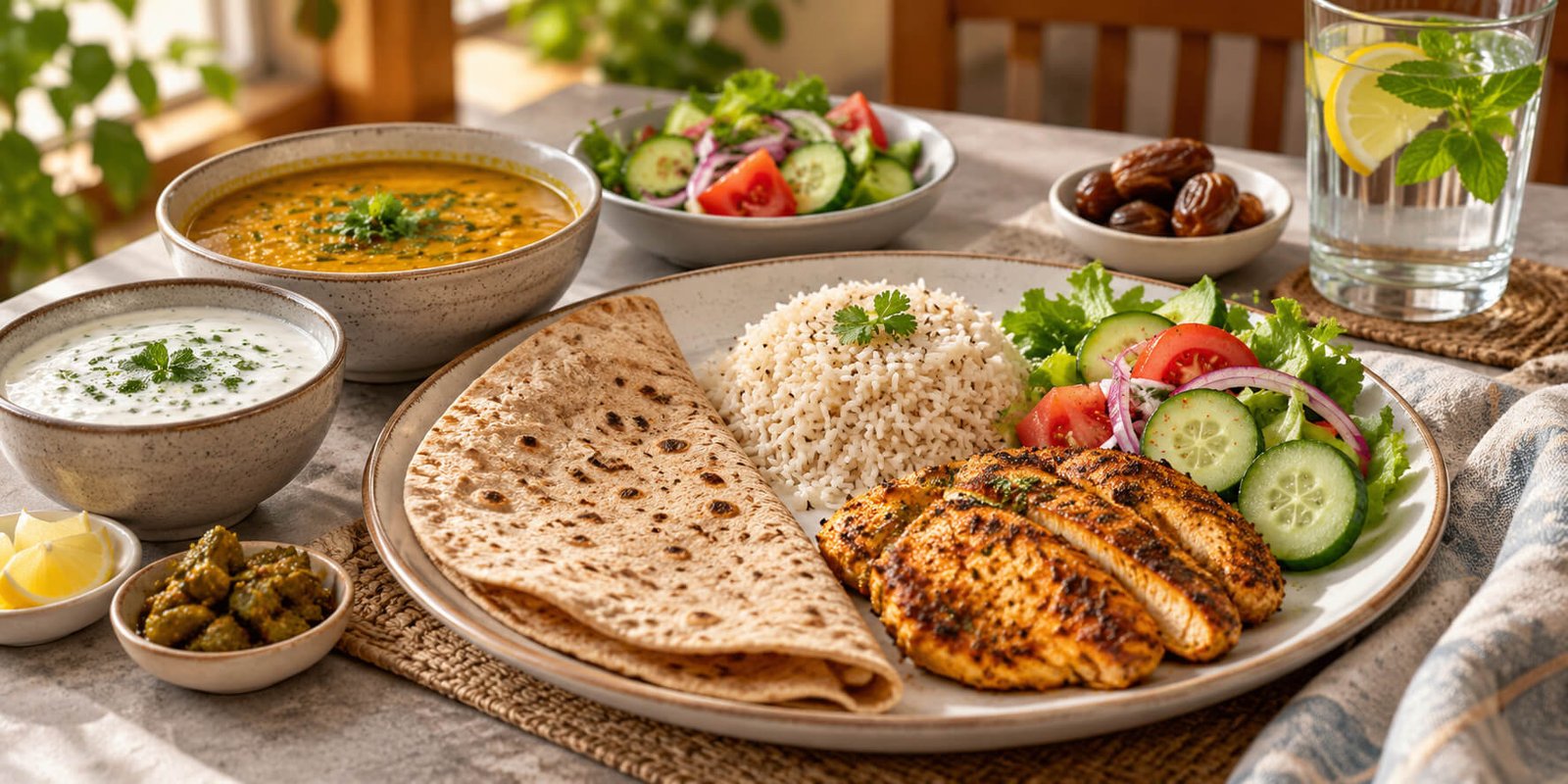
A useful starting point is to fill roughly half your plate with vegetables or salad, include a good source of protein, and keep roti, rice or another carbohydrate to a moderate portion.
Build Meals Around Vegetables
Pakistani cooking gives you plenty of vegetable choices. Bhindi, lauki, tori, tinday, palak, gobi, baingan, beans, cucumber and tomatoes can all fit comfortably into an insulin resistance diet.
Cooking method still matters. Sabzi swimming in oil can turn a light vegetable dish into a much heavier meal, so use enough oil for flavor without making it the main ingredient.
Add Protein to Every Main Meal
Protein can make meals more satisfying and helps create a better balance when you are eating carbohydrates.
Useful options include eggs, chicken, fish, daal, chana, lobia, plain dahi and lean meat. If breakfast is usually just paratha or toast with chai, adding eggs or plain yogurt can make it more balanced.
Keep Carbohydrate Portions Sensible
Roti and rice are not automatically the problem. The quantity, type of carbohydrate and what you eat alongside it matter.
For many people, one moderate portion of roti or rice alongside protein, vegetables and salad makes more sense than eating several rotis with a small amount of salan.
Can You Eat Roti With Insulin Resistance?
Yes, roti can be included in an insulin resistance diet. You do not necessarily need to remove one of the most common foods in a Pakistani household.
Whole-wheat atta is generally a better everyday choice than highly refined flour. But even whole-wheat roti still provides carbohydrates, so portion size remains important.
A meal containing one appropriately sized roti with chicken, daal, sabzi and salad is very different from eating three or four large rotis with mostly oily gravy. Think about the entire plate rather than judging one food in isolation.
If you are working toward better portion control, smaller rotis can sometimes be an easier adjustment than trying to remove roti completely.
Can You Eat Rice With Insulin Resistance?
Rice can also fit into your meals. You do not have to treat a bowl of rice as something you can never eat again.
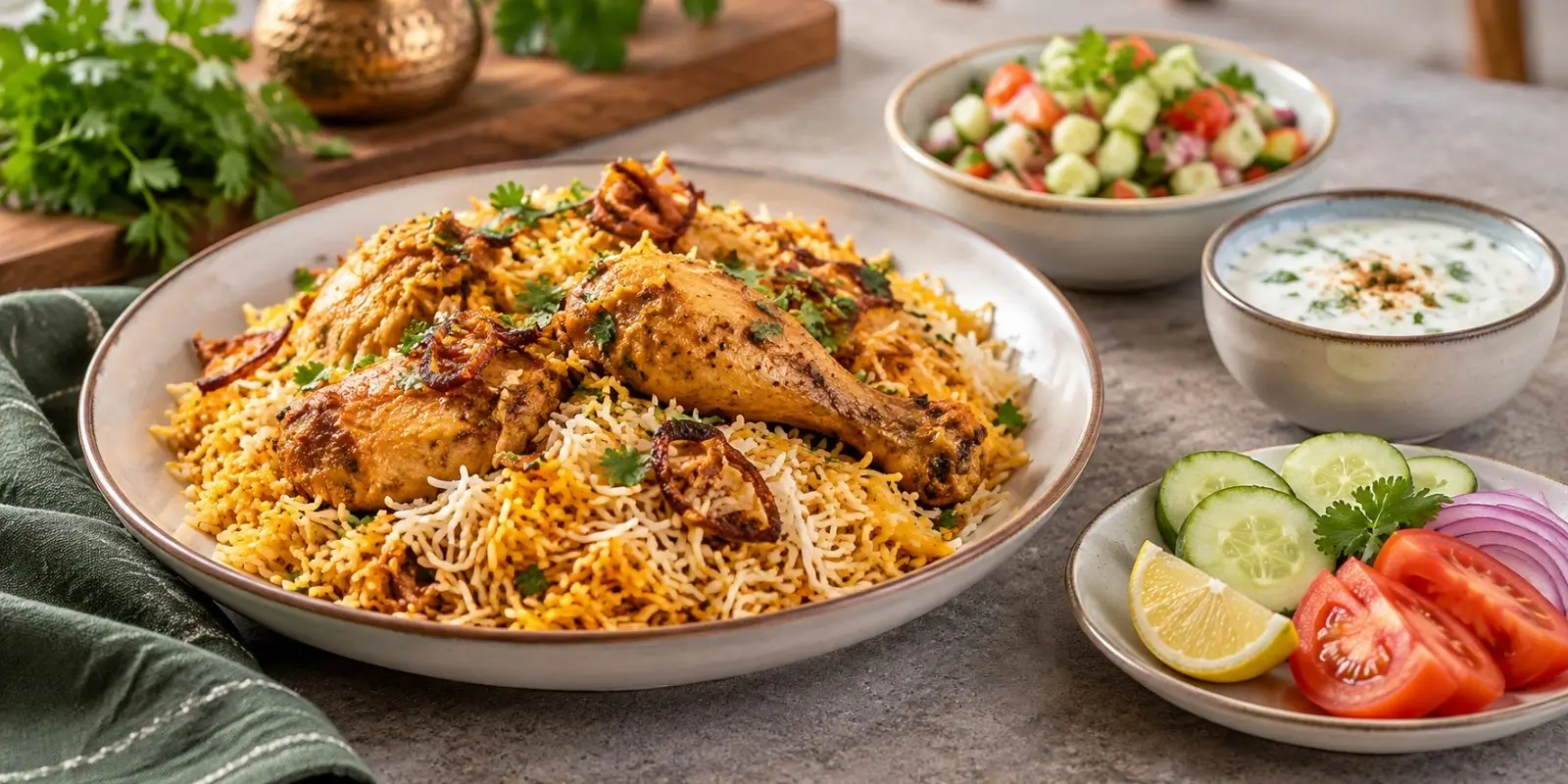
Keep the portion controlled and combine it with protein and vegetables. For example, a measured serving of rice with grilled chicken, raita and a generous salad creates a much more balanced meal than a large plate of rice eaten on its own.
Brown or parboiled rice may provide more fiber than some refined varieties, but changing the type of rice does not mean portions stop mattering.
Even biryani can occasionally fit. A smaller portion paired with raita and salad is a more practical approach than either eating a very large serving or believing biryani has to disappear from your life completely.
Pakistani Foods to Eat More Often
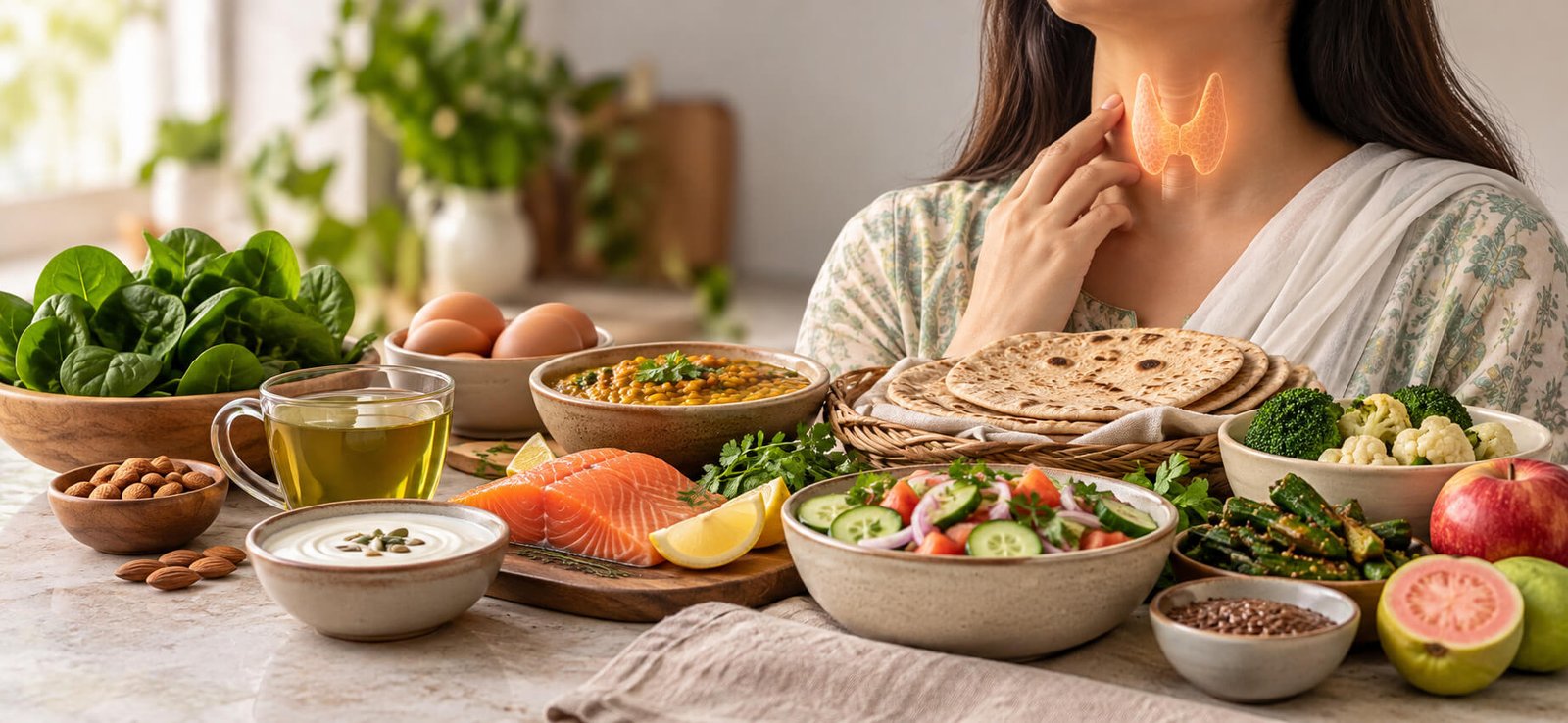
You do not need imported health foods to build an insulin resistance-friendly diet. Many useful foods are already part of a normal Pakistani kitchen.
Try to include more of the following:
- Eggs, chicken, fish, daal, chana and lobia for protein
- Bhindi, palak, lauki, tori, gobi and mixed salads for fiber and volume
- Plain dahi instead of heavily sweetened yogurt
- Almonds, walnuts and seeds in reasonable portions
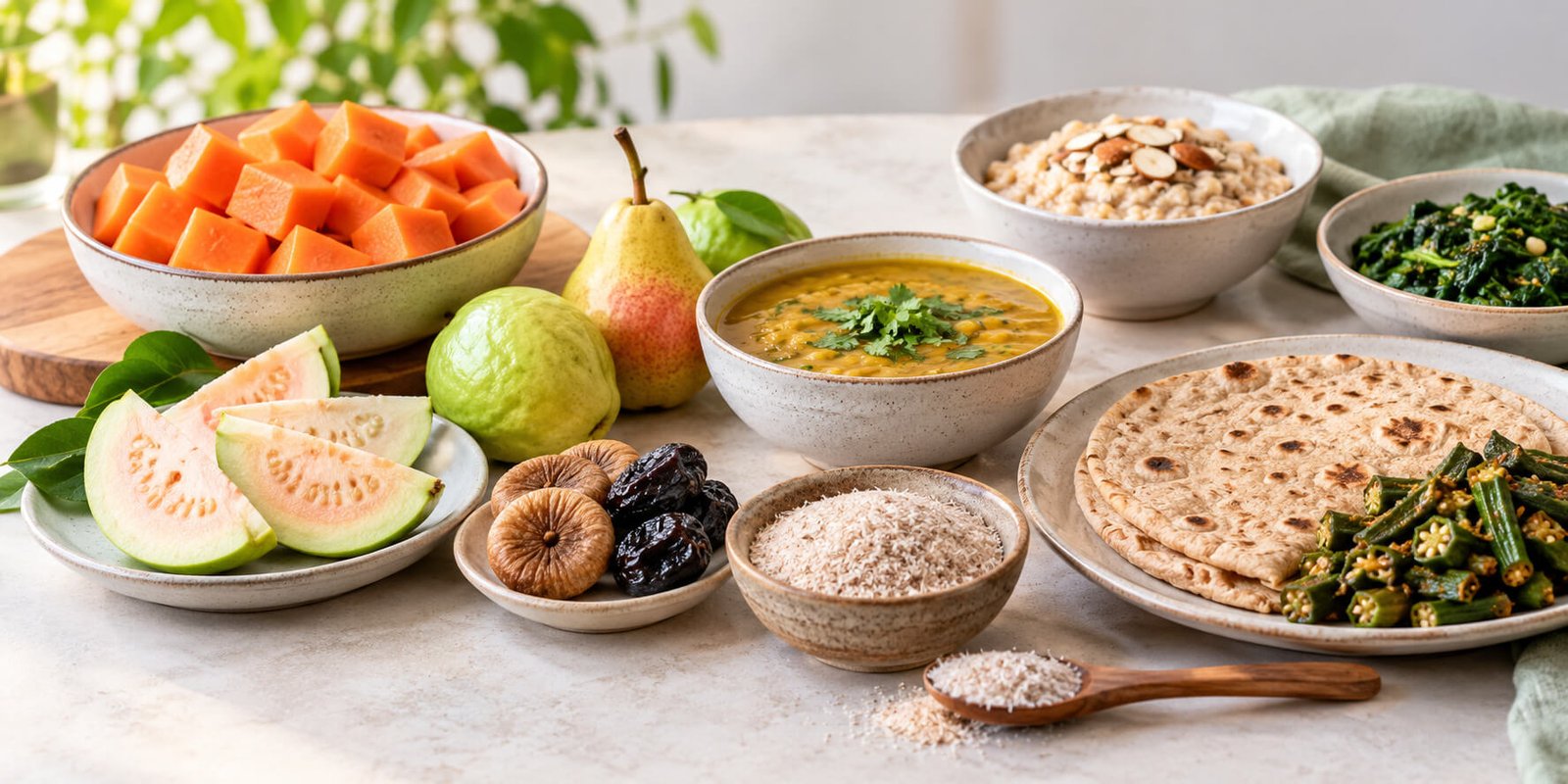
- Whole fruit such as guava, apple, pear, orange and papaya
- Whole-wheat roti and other minimally processed grains in portions that suit your needs
Having a few reliable balanced Pakistani meal ideas can also make healthier eating easier on busy days because you are working with familiar ingredients rather than trying to follow a completely different style of eating.
Foods to Limit With Insulin Resistance
You do not need a long list of forbidden foods. It is more useful to identify foods that are easy to overconsume and keep them as occasional choices rather than everyday staples.
Pay particular attention to sugary soft drinks, packaged juices, sweetened chai, mithai, cakes, biscuits and frequent bakery foods. These can add significant amounts of refined carbohydrate and sugar without keeping you satisfied for long.
Samosas, pakoras, fried parathas and heavily oily meals can also make it harder to manage overall energy intake when they appear frequently.
White bread, large naan, oversized rice portions and multiple rotis at one meal are worth reconsidering as well. The goal is moderation and better meal structure, not fear of food.
A Practical 7-Day Pakistani Diet Plan for Insulin Resistance
This sample plan shows how familiar foods can be arranged into more balanced meals. Your exact portions should depend on your nutritional needs, activity level, health history and goals.
Day 1
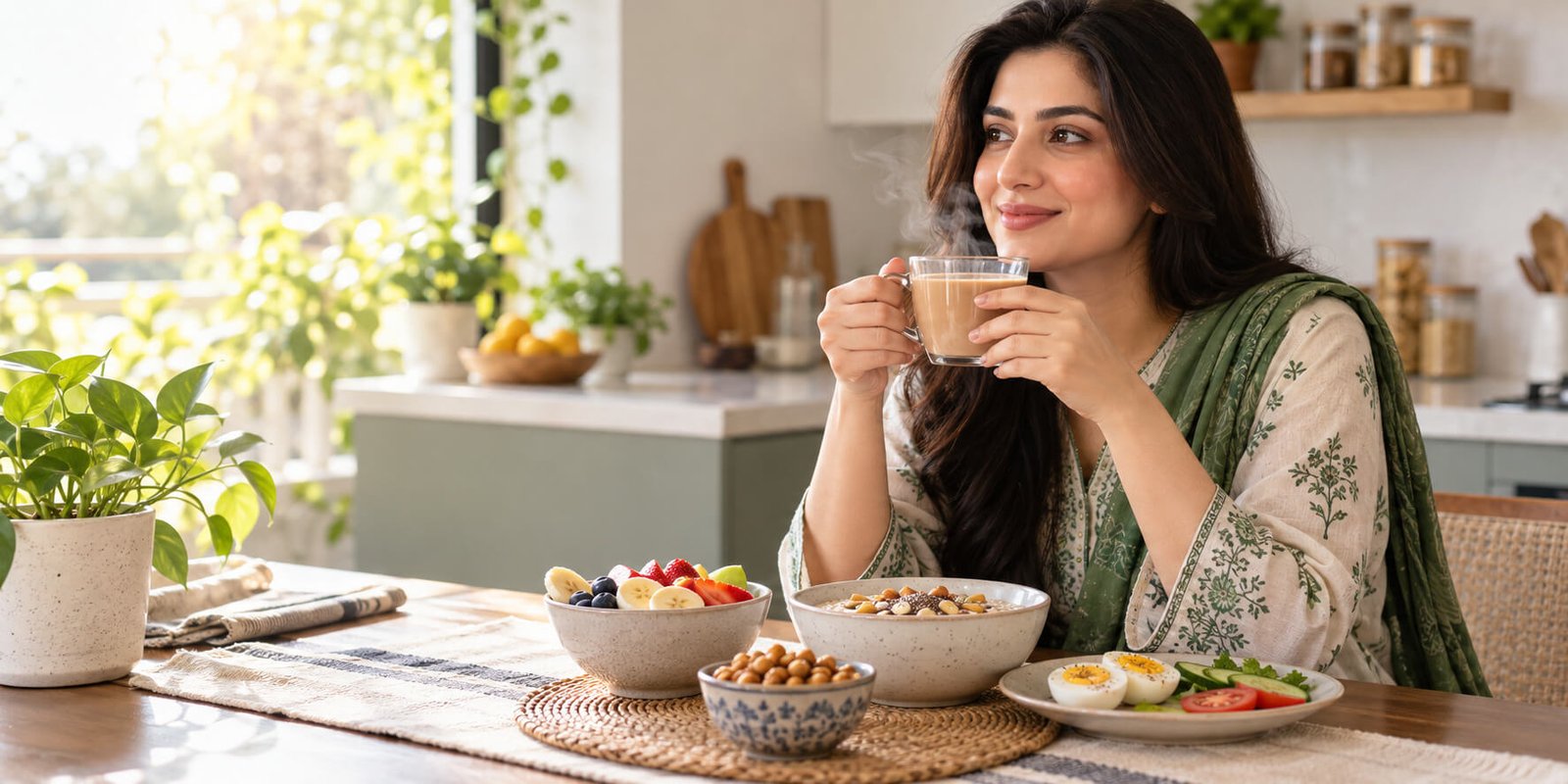
Breakfast: Vegetable omelette, small whole-wheat roti and unsweetened chai
Lunch: Masoor daal, bhindi, salad and roti
Snack: Guava with a small handful of almonds
Dinner: Chicken salan with lauki and salad
Day 2
Breakfast: Dalia prepared with milk and a few nuts
Lunch: Grilled chicken, mixed sabzi and a small portion of rice
Snack: Plain dahi
Dinner: Moong daal, vegetables and roti
Day 3
Breakfast: Besan cheela with plain dahi
Lunch: Chana, cucumber and tomato salad with roti
Snack: Apple with walnuts
Dinner: Grilled fish with palak and vegetables
Day 4
Breakfast: Eggs, whole-wheat roti and sliced cucumber
Lunch: Chicken karahi prepared with moderate oil, salad and roti
Snack: Roasted chana
Dinner: Masoor daal with tori
Day 5
Breakfast: Oats with plain dahi and seeds
Lunch: Keema with mixed vegetables and roti
Snack: Pear with a few almonds
Dinner: Fish, bhindi and fresh salad
Day 6
Breakfast: Vegetable omelette or besan cheela
Lunch: Lobia with sabzi and roti
Snack: Plain dahi with nuts
Dinner: Chicken with vegetables and a measured rice portion
Day 7
Breakfast: Egg, whole-wheat roti and chai without added sugar
Lunch: Daal, seasonal sabzi and salad
Snack: Whole fruit with nuts
Dinner: Chicken or fish with mixed vegetables and roti
Do You Need a Low-Carb Diet?
Having insulin resistance does not automatically mean you need keto or an extremely low-carbohydrate diet.
Carbohydrates are not all the same. A plate containing vegetables, daal, a whole-wheat roti and dahi provides a very different nutritional profile from biscuits, sugary chai and white bread, even though both meals contain carbohydrates.
Instead of chasing the lowest possible carbohydrate intake, focus on carbohydrate quality, sensible portions, adequate protein, fiber and meals you can realistically maintain.
Insulin Resistance and PCOS
Insulin resistance is common in many women with PCOS, which is one reason nutrition can be an important part of PCOS management.
You still do not need to automatically eliminate roti, rice or fruit. A better starting point is to build meals around protein and vegetables, choose appropriate carbohydrate portions and reduce frequent sources of added sugar.
Women who are managing both hormonal and metabolic concerns may benefit from more individualized nutrition support for PCOS and clinical conditions, particularly when symptoms, medications, laboratory results and weight goals all need to be considered together.
Small Habits That Support Better Insulin Sensitivity
Food matters, but your meals are only one part of the picture.
Regular physical activity helps your muscles use glucose more effectively. Even a short walk after lunch or dinner can be a simple habit to build into your day.
Sleep also deserves attention. Irregular sleep and constant exhaustion can make appetite, food choices and overall metabolic health harder to manage.
And do not overlook drinks. Reducing sugar in chai, soft drinks, packaged juice and sharbat can sometimes make a meaningful difference without changing your main meals at all.
Common Mistakes to Avoid
One of the biggest mistakes is trying to change everything at once. Removing rice, roti, fruit, dairy and every favorite food usually creates a diet that is difficult to sustain.
Another common mistake is assuming that honey, brown sugar or gur can be used freely because they appear more natural. They still contribute sugar and should be treated accordingly.
Similarly, products labeled brown, multigrain or diabetic-friendly are not automatically better choices. Look at the whole meal, portion size and your individual response rather than relying on marketing claims.
When a Personalized Diet Plan Makes More Sense
A general meal plan can give you useful ideas, but insulin resistance does not look exactly the same in every person.
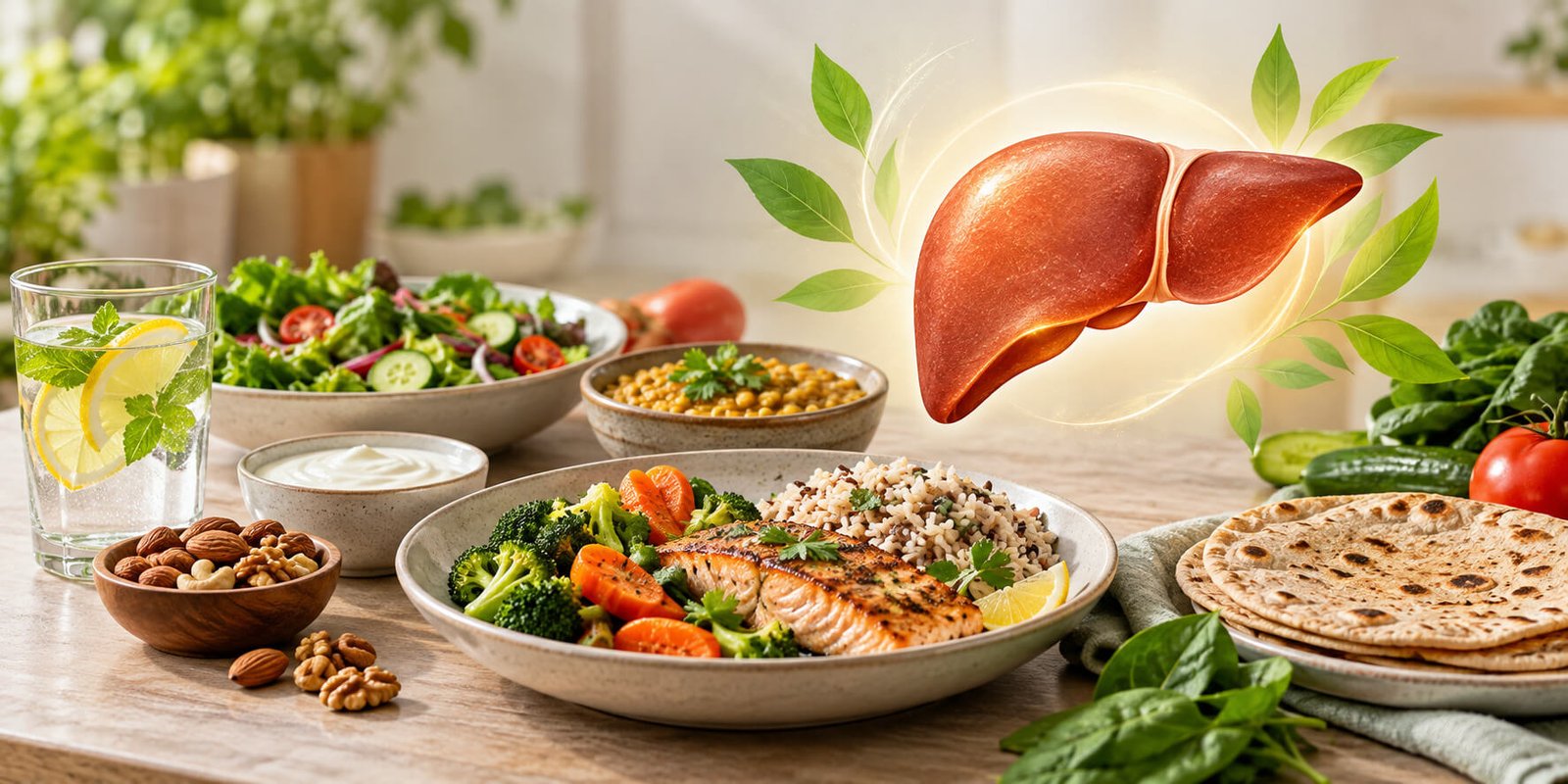
Your nutritional needs may be different if you also have PCOS, prediabetes, diabetes, fatty liver, thyroid concerns, digestive issues, pregnancy-related needs or medications that affect blood glucose.
Dr. Noor provides personalized nutrition consultations exclusively online, with plans built around your health history, laboratory results, routine and the Pakistani foods you actually eat. The aim is not to hand you a generic diet sheet, but to create an approach you can realistically continue.
The Bottom Line
A Pakistani diet plan for insulin resistance does not need to remove everything familiar from your kitchen.
Roti, rice, daal, sabzi, fruit and home-cooked curries can all have a place when portions are appropriate and meals contain enough protein, vegetables and fiber. Start by improving the structure of the food you already eat instead of searching for a completely different diet.
Small choices repeated consistently are usually more valuable than a perfect meal plan followed for only a few days.
FAQs
What is the best Pakistani diet for insulin resistance?
A balanced diet containing vegetables, protein, high-fiber foods and controlled portions of carbohydrates is a practical starting point. Meals can still include foods such as roti, rice, daal, chicken, fish, sabzi, dahi and fruit.
Can I eat roti if I have insulin resistance?
Yes. Whole-wheat roti can fit into an insulin resistance diet. The appropriate amount depends on your overall meal, activity level, health needs and nutritional goals.
Is rice bad for insulin resistance?
Rice does not necessarily need to be avoided. Keep the serving moderate and eat it with protein, vegetables and fiber rather than making rice the majority of the meal.
Which fruit is best for insulin resistance?
Whole fruits such as guava, apples, pears, oranges and papaya can fit well into a balanced diet. Portion size matters, and whole fruit is usually a better choice than juice.
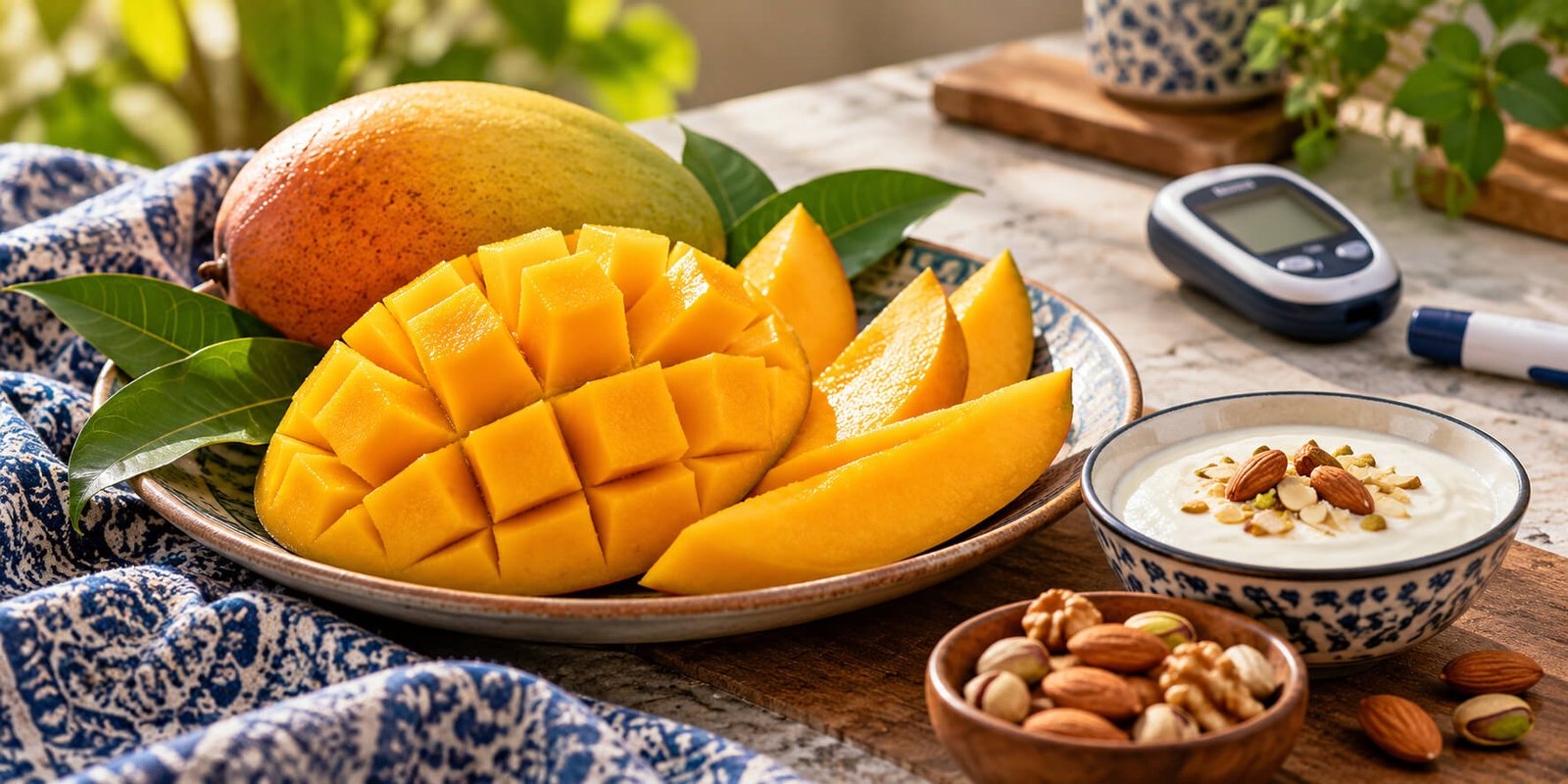
Is mango allowed with insulin resistance?
Mango does not automatically need to be banned. A sensible portion can be included depending on the rest of your diet and individual blood glucose needs.
How many rotis can someone with insulin resistance eat?
There is no single correct number for everyone. Roti requirements depend on factors such as body size, activity, total calorie needs, medications and the other foods included in the meal.
Do I need to stop eating carbohydrates?
No. Many people can manage insulin resistance while continuing to eat carbohydrates. Choosing higher-fiber foods, controlling portions and pairing carbohydrates with protein and vegetables is usually more practical than eliminating an entire food group.
Can PCOS and insulin resistance be managed with the same diet?
There can be considerable overlap, particularly around balanced meals, fiber, adequate protein and appropriate carbohydrate portions. However, a personalized plan is more useful when PCOS symptoms, laboratory results and individual goals also need to be considered.