If you are trying to lose weight, you may have been told that roti is the first thing you need to stop eating. For most people, that is unnecessary. Roti can comfortably remain part of a balanced weight loss diet when the portion suits your overall food intake.
For many adults, 2 to 4 medium rotis throughout the day can be a reasonable starting range. However, there is no single number that works for everyone. Your calorie needs, activity level, roti size, health conditions, and the rest of your meals all matter.
The goal should not be to eat as few rotis as possible. It should be to build meals that keep you satisfied while helping you maintain an appropriate calorie deficit.
How Many Rotis Should You Eat a Day to Lose Weight?
For someone with a mostly sedentary routine, around 2 to 4 medium whole wheat rotis per day may fit well into a weight loss plan. Someone who walks frequently, exercises regularly, or has a physically demanding routine may be able to eat more.
A simple distribution might look like:
- 1 to 2 medium rotis at lunch
- 1 to 2 medium rotis at dinner
- Protein and vegetables with both meals
This is only a general example. A person who is petite and largely sedentary may need different portions from someone taller, more active, or exercising several days each week.
If you want your portions calculated around your routine rather than following generic diet charts, personalized diet plans can take your food preferences, health needs, schedule, and usual Pakistani meals into account.
Can You Eat Roti Every Day and Still Lose Weight?
Yes. You can eat roti every day and still lose weight.
Weight loss occurs when your overall energy intake stays below the amount your body uses over time. A roti does not automatically cause weight gain, just as removing roti does not automatically produce weight loss.
The bigger issue is often what accompanies the roti. Two rotis with grilled chicken, daal, yogurt, salad, or sabzi can be very different from two large rotis eaten with an oil-heavy salan, fried foods, sweet drinks, and dessert.
Instead of blaming one food, look at the whole meal.
How Many Calories Are in One Roti?
There is no exact calorie number for every roti because homemade rotis vary considerably in size and thickness.
A medium whole wheat roti made without added oil or ghee may contain roughly 80 to 120 calories, depending on how much atta is used. A larger or thicker roti can contain considerably more.
Small Roti
A small, thin roti uses less flour, so it generally provides fewer calories than a large homemade chapati.
If you regularly eat several rotis in one sitting, making them slightly smaller can be an easy way to manage portions without removing roti from your diet.
Medium Homemade Roti
A medium roti is often the easiest portion to work with when planning balanced meals. Rather than obsessing over exact diameter, try to keep the size and thickness relatively consistent.
Consistency makes it much easier to understand how much food you are actually eating.
Large or Thick Roti
Large tandoori rotis, oversized homemade rotis, or thick chapatis may contain substantially more flour than a standard medium roti.
Adding butter or ghee also increases calories. This does not mean ghee must never be used, but the amount should be considered as part of the entire meal.
What Determines How Many Rotis You Should Eat?
There is no universal roti allowance because your body does not calculate food in individual pieces. Your overall energy and nutrient needs determine how much carbohydrate fits comfortably into your day.
Several factors can change the right portion.
Your Daily Calorie Needs
Your age, height, weight, body composition, and weight loss goal all influence how much food your body requires.
Two people trying to lose weight can therefore follow very different meal portions and still make progress.
Your Activity Level
Someone who spends most of the day sitting at a desk generally uses less energy than someone who walks extensively, exercises, or performs physical work.
An active person may be able to include more roti while still remaining within an appropriate calorie range.
What Else You Eat
Roti is only one source of carbohydrate in a Pakistani diet.
If your day also includes rice, paratha, bakery products, biscuits, desserts, sugary chai, sweetened drinks, or frequent snacks, simply counting your rotis will not give you a complete picture of your intake.
The Size of Your Roti
This factor is often overlooked.
One person’s three rotis may contain less flour than another person’s two large rotis. This is why saying that everyone should eat exactly three or four rotis can be misleading.
How to Eat Roti for Weight Loss
You do not need a special “weight loss roti.” Ordinary whole wheat roti can work perfectly well when the meal around it is balanced.
A few simple habits can make a meaningful difference:
- Keep your roti size moderate and relatively consistent
- Use whole wheat atta most of the time
- Avoid automatically adding ghee or butter to every roti
- Include a good source of protein with the meal
- Add cooked vegetables or salad
- Pay attention to the amount of oil used in salan
- Stop eating when comfortably satisfied rather than automatically taking another roti
The goal is not perfection. It is finding portions you can realistically maintain.
What Should You Eat With Roti for Weight Loss?
Roti works best as one part of the meal rather than being the main food filling your plate.
Combining carbohydrate with protein, fiber, and vegetables generally creates a more satisfying meal.
Add Protein
Protein can help make meals more filling and supports muscle maintenance while you are losing weight.
Useful Pakistani meal options include chicken, fish, eggs, yogurt, daal, chana, beans, or other protein sources that suit your diet.
Daal and beans provide useful plant protein, but they also contain carbohydrates, so the overall meal still needs appropriate portions.
Add More Vegetables
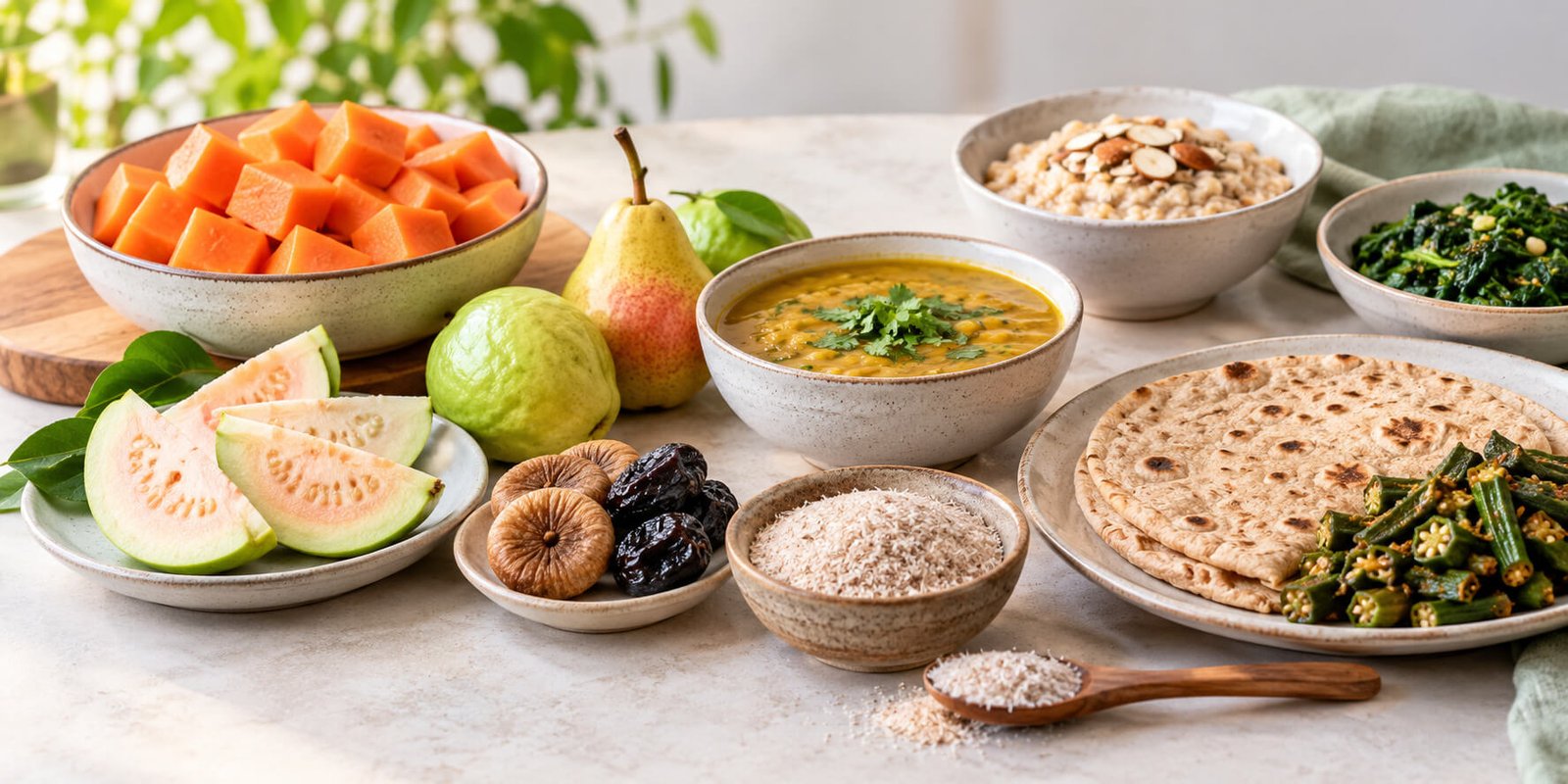
Vegetables increase food volume and provide fiber, vitamins, minerals, and variety without requiring extremely large portions of roti.
Bhindi, lauki, tinda, karela, palak, gobhi, cabbage, mixed vegetables, cucumber, tomato, and seasonal salads can all fit easily into everyday Pakistani meals.
Watch Oil in Salan
Sometimes the roti gets blamed when the bigger source of calories is actually the curry.
Several tablespoons of oil in salan can add substantial energy to a meal. You do not need completely oil-free food, but cooking methods and quantities matter when weight loss is your goal.
Is 2 Rotis a Day Enough for Weight Loss?
Two rotis per day may be enough for some people, particularly if they also eat other carbohydrate foods such as rice, oats, fruit, potatoes, or legumes.
For others, two rotis may be unnecessarily restrictive and could leave them hungry, especially if they are physically active.
Eating fewer rotis is not automatically better. Your total diet needs to provide enough energy, protein, fiber, and essential nutrients.
Is 3 Rotis a Day Good for Weight Loss?
Three medium rotis can fit comfortably into many weight loss diets.
For example, someone might eat two rotis at lunch and one at dinner, with adequate protein and vegetables at both meals. Another person might prefer one at lunch and two in the evening.
What matters is whether those portions fit your overall intake and keep you satisfied.
Is 4 Rotis a Day Too Much for Weight Loss?
Not necessarily.
Four medium rotis per day can still fit into a calorie-controlled eating pattern, especially for someone who is active or has higher energy requirements.
Problems usually arise when four large rotis are combined with high-oil foods, frequent snacking, sugary drinks, and other calorie-dense foods throughout the day.
The number alone does not tell the full story.
Can You Eat Roti at Night During Weight Loss?
Yes. Eating roti at dinner does not automatically cause weight gain.
Your body does not suddenly turn carbohydrates into body fat simply because you ate them after a certain hour. Your overall intake across the day matters much more.
A dinner containing one or two appropriately sized rotis with chicken, fish, daal, yogurt, sabzi, or salad can be perfectly reasonable during weight loss.
If you regularly feel very hungry late at night, look at whether your earlier meals contain enough protein, fiber, and overall food rather than simply removing dinner carbohydrates.
Roti vs Rice for Weight Loss: Which Is Better?
Both roti and rice can be part of a weight loss diet.
Whole wheat roti generally provides more fiber than white rice and may feel more filling for some people. Rice, however, can also fit comfortably when the portion is measured and the rest of the meal is balanced.
You do not have to choose one food forever. Some people enjoy roti at lunch and rice at dinner, while others alternate them across the week.
The better choice is the one you enjoy, can portion appropriately, and can maintain without feeling restricted.
Which Roti Is Best for Weight Loss?
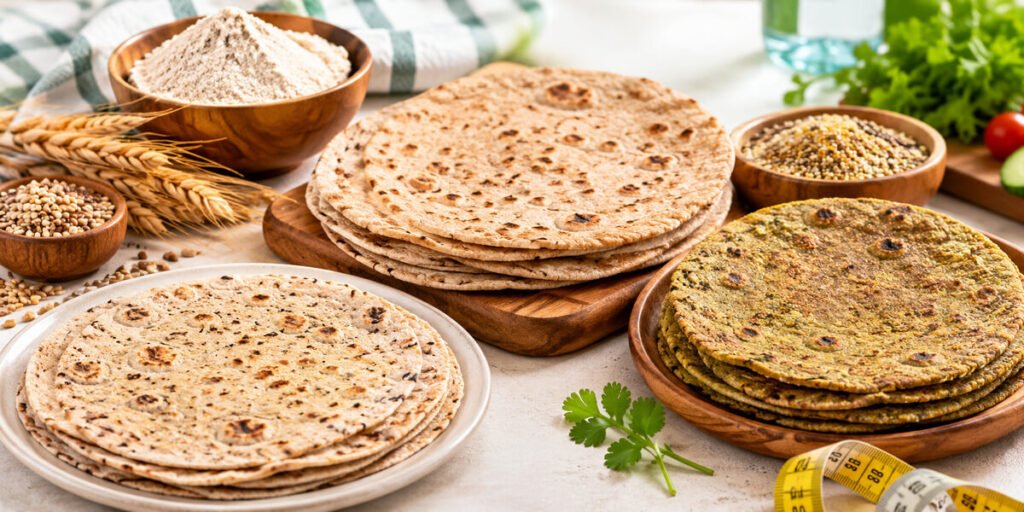
Many people search for a particular flour that will make weight loss faster. No flour can independently cause fat loss.
Different options can still provide useful variety.
Whole Wheat Roti
Whole wheat atta is a practical everyday choice because it provides fiber and works easily with most Pakistani meals.
There is usually no need to replace it simply because you are trying to lose weight.
Multigrain Roti
Multigrain atta can contain several grains and seeds, but the word “multigrain” does not automatically mean fewer calories.
Read the ingredients and continue to pay attention to portions.
Bajra and Jowar Roti
Bajra, jowar, and other grains can add variety, fiber, and different nutrients to your diet.
They can certainly be included, but they should not be treated as fat-burning alternatives to wheat roti. Portion size still matters.
Common Roti Mistakes That Can Slow Weight Loss
Sometimes the problem is not roti itself but the way the meal is structured.
Common habits include eating very large rotis, adding ghee automatically, having several rotis along with rice, eating mostly oily gravy with little protein, and taking repeated servings simply because the food is available.
Another common mistake is cutting roti too aggressively. Eating an extremely small lunch may leave you craving biscuits, sweets, chips, or large portions later in the evening.
A balanced meal is often easier to maintain than an unnecessarily restrictive one.
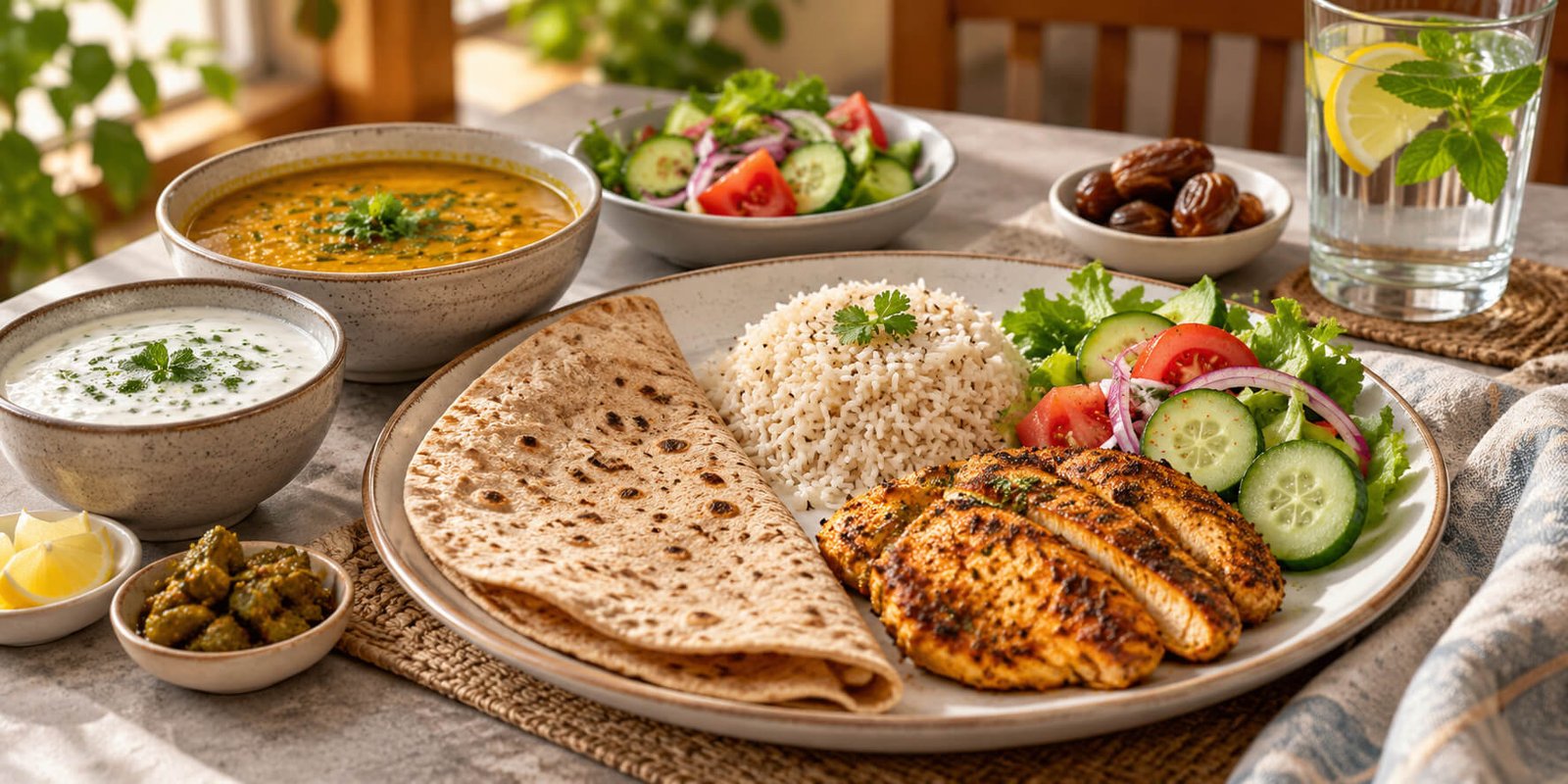
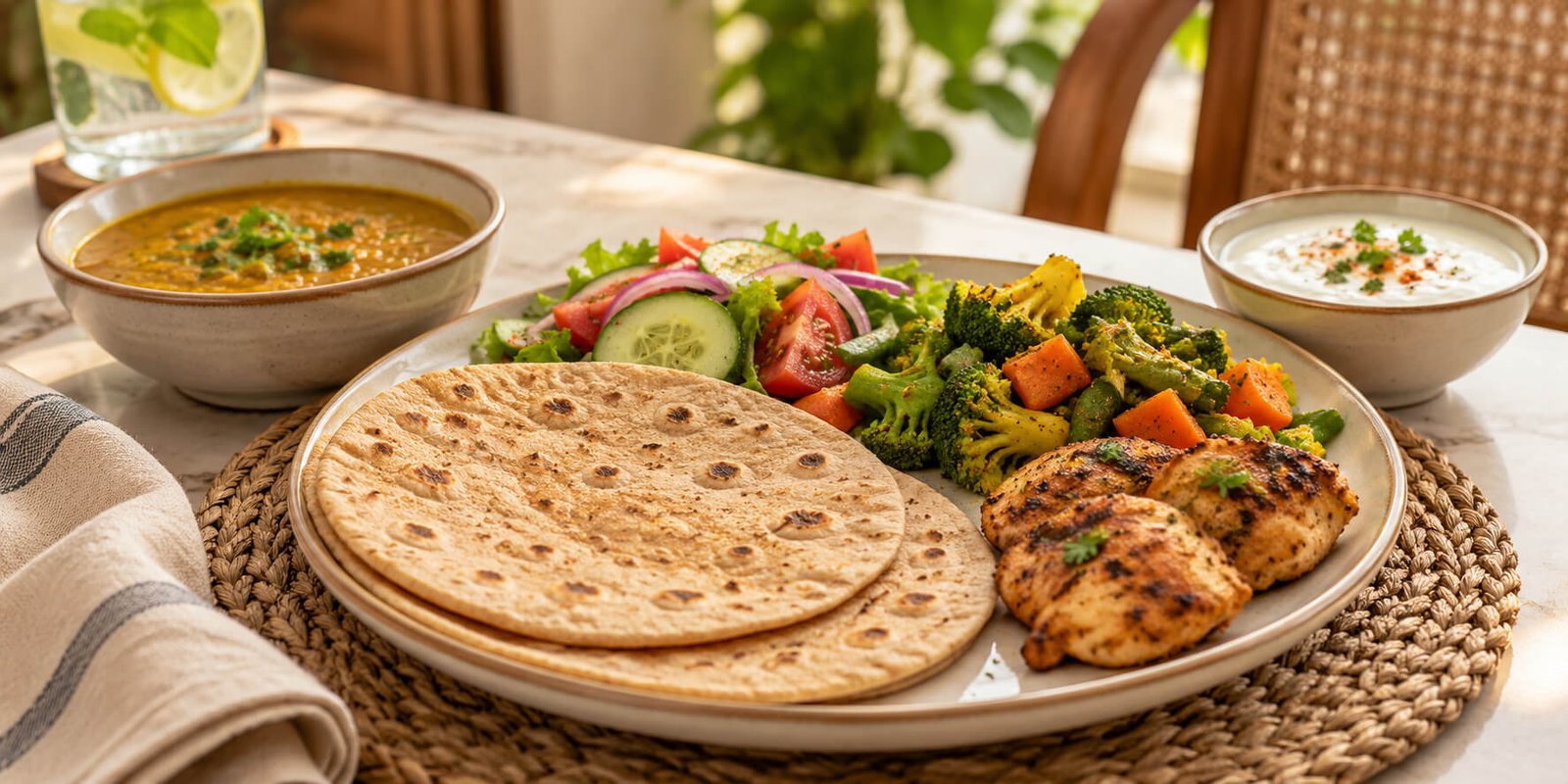
What Does a Weight Loss Friendly Pakistani Roti Plate Look Like?
A practical plate might include one to two medium whole wheat rotis, a suitable protein source, plenty of vegetables, and a modest amount of cooking oil.
For example, you could pair roti with chicken and mixed sabzi, daal with salad and yogurt, or fish with cooked vegetables.
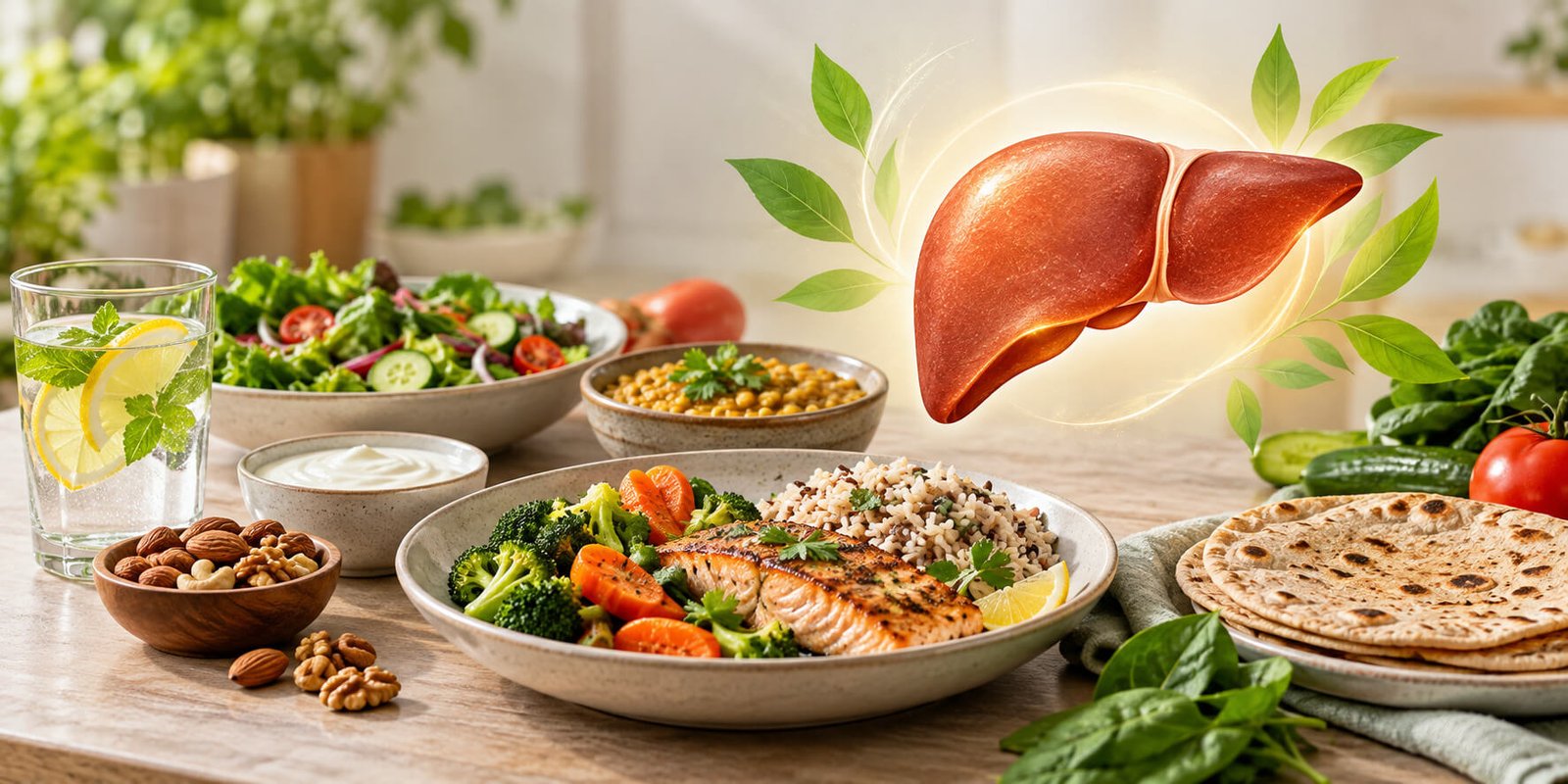
You do not need imported “diet foods” to lose weight. Everyday Pakistani meals can work very well when portions and meal composition match your needs.
Do You Need to Stop Roti to Lose Belly Fat?
No specific food controls where your body loses fat.
Removing roti will not selectively burn belly fat. Fat loss happens gradually when your overall lifestyle creates a sustainable energy deficit over time.
Regular physical activity, adequate sleep, protein intake, balanced meals, and realistic portions are far more useful than blaming a single staple food.
When Should Your Roti Portion Be Personalized?
General portion guidelines are useful, but some people need more individualized nutrition planning.
This is particularly important if you have diabetes, PCOS, insulin resistance, thyroid concerns, digestive problems, pregnancy-related nutritional needs, very high or low activity levels, or a history of restrictive dieting.
Dr. Noor provides online nutrition consultations across Pakistan, with guidance built around your health needs, routine, cultural food preferences, and everyday Pakistani meals. Instead of removing familiar foods unnecessarily, the focus is on creating a balanced approach you can realistically maintain. You can explore her personalized nutrition services if you need guidance tailored to your own routine.
Final Thoughts
You do not need to give up roti to lose weight. For many people, somewhere around 2 to 4 medium rotis per day can fit into a healthy weight loss routine, but that number should never be treated as a universal rule.
Pay attention to roti size, protein, vegetables, cooking oil, snacks, drinks, activity level, and your overall food intake. A sustainable weight loss plan should work with the foods you normally eat, not make you afraid of them.
FAQs
How Many Roti Can I Eat for Weight Loss?
Many adults can include around 2 to 4 medium rotis per day while losing weight, but your ideal portion depends on your calorie needs, activity level, roti size, and the rest of your diet.
Can I Eat Roti and Still Lose Weight?
Yes. Roti can remain part of a weight loss diet. Focus on moderate portions, whole wheat atta, enough protein and vegetables, and your overall calorie intake.
Is 3 Roti Enough for Dinner?
Three rotis may be more than some people need at dinner and appropriate for others. If weight loss is your goal, one to two medium rotis with protein and vegetables may be a useful starting point, but portions should match your individual needs.
How Many Rotis Should I Eat at Dinner for Weight Loss?
For many people, one to two medium rotis at dinner can fit comfortably into a balanced weight loss plan. The amount should still depend on what you have eaten during the rest of the day.
Is 2 Roti Enough for Weight Loss?
Two rotis per day may be suitable if you also eat other carbohydrate sources. For physically active people or those with higher calorie requirements, this may be too little.
Is 4 Roti a Day Too Much for Weight Loss?
Not automatically. Four medium rotis can fit into a weight loss diet when your total calorie intake remains appropriate and your meals contain enough protein, vegetables, and fiber.
Can I Eat Roti at Night and Lose Weight?
Yes. Eating roti at night does not prevent weight loss. Your total calorie intake and overall meal quality matter more than the time at which you eat the roti.
Which Atta Is Best for Weight Loss?
Whole wheat atta is a practical everyday choice. Multigrain, bajra, and jowar can also provide variety, but no particular atta causes weight loss on its own.
Is Roti Better Than Rice for Weight Loss?
Neither is automatically better. Whole wheat roti may provide more fiber and be easier for some people to portion, while measured rice can also fit into a balanced weight loss diet.
Does Roti Increase Belly Fat?
Roti itself does not specifically increase belly fat. Consistently eating more calories than your body requires can contribute to weight gain, regardless of whether those calories come from roti, rice, sweets, fried foods, or other foods.