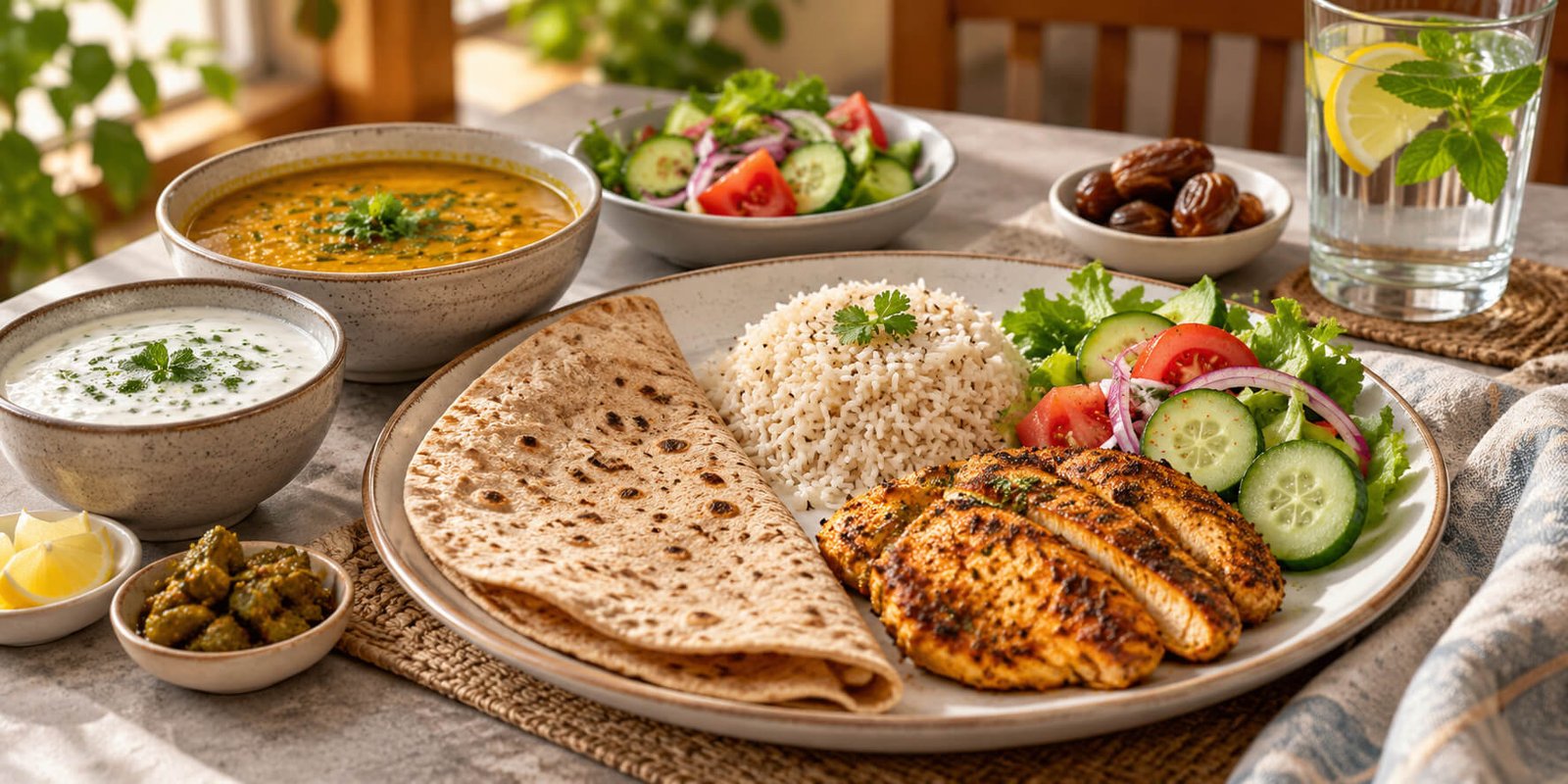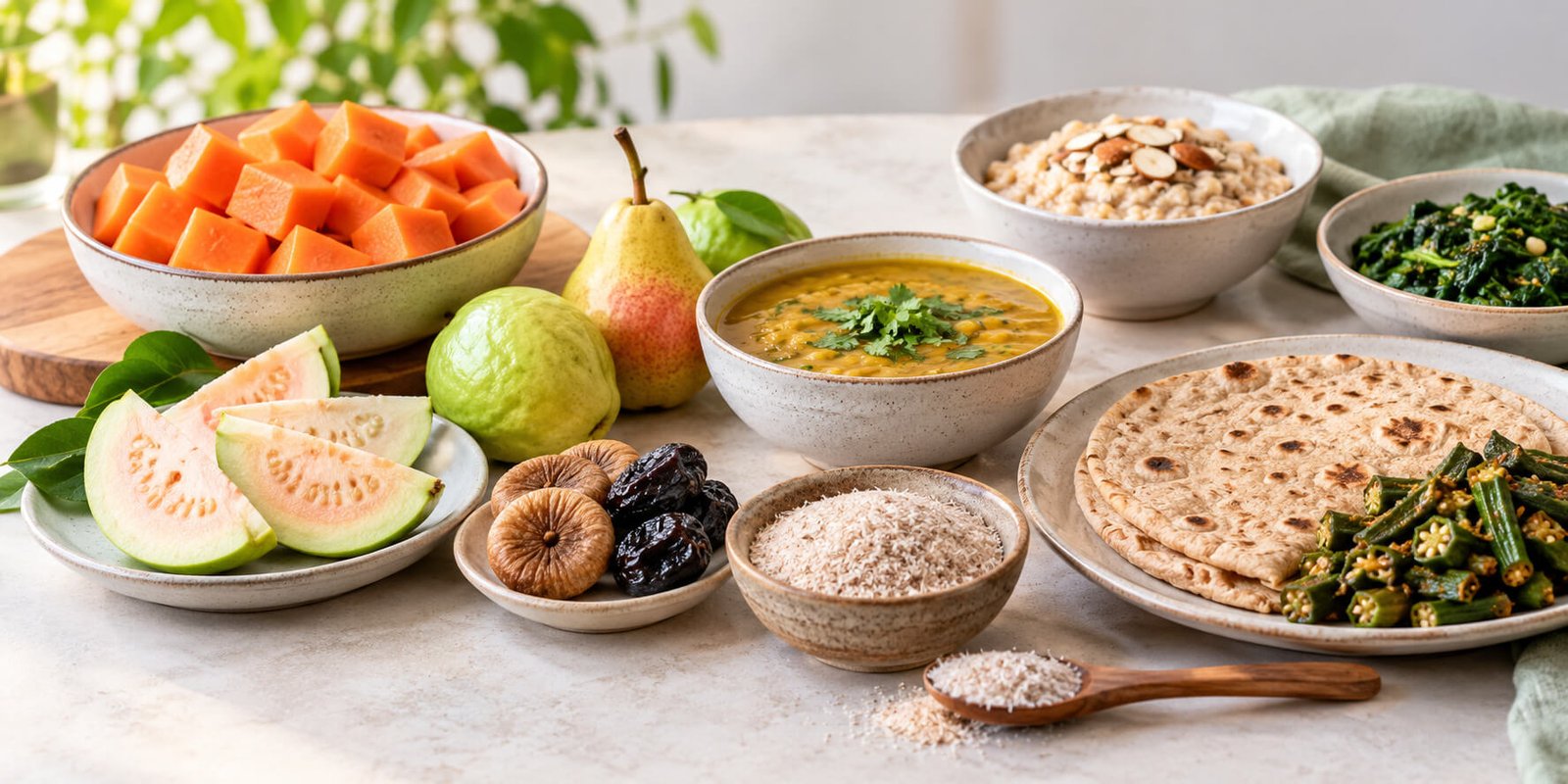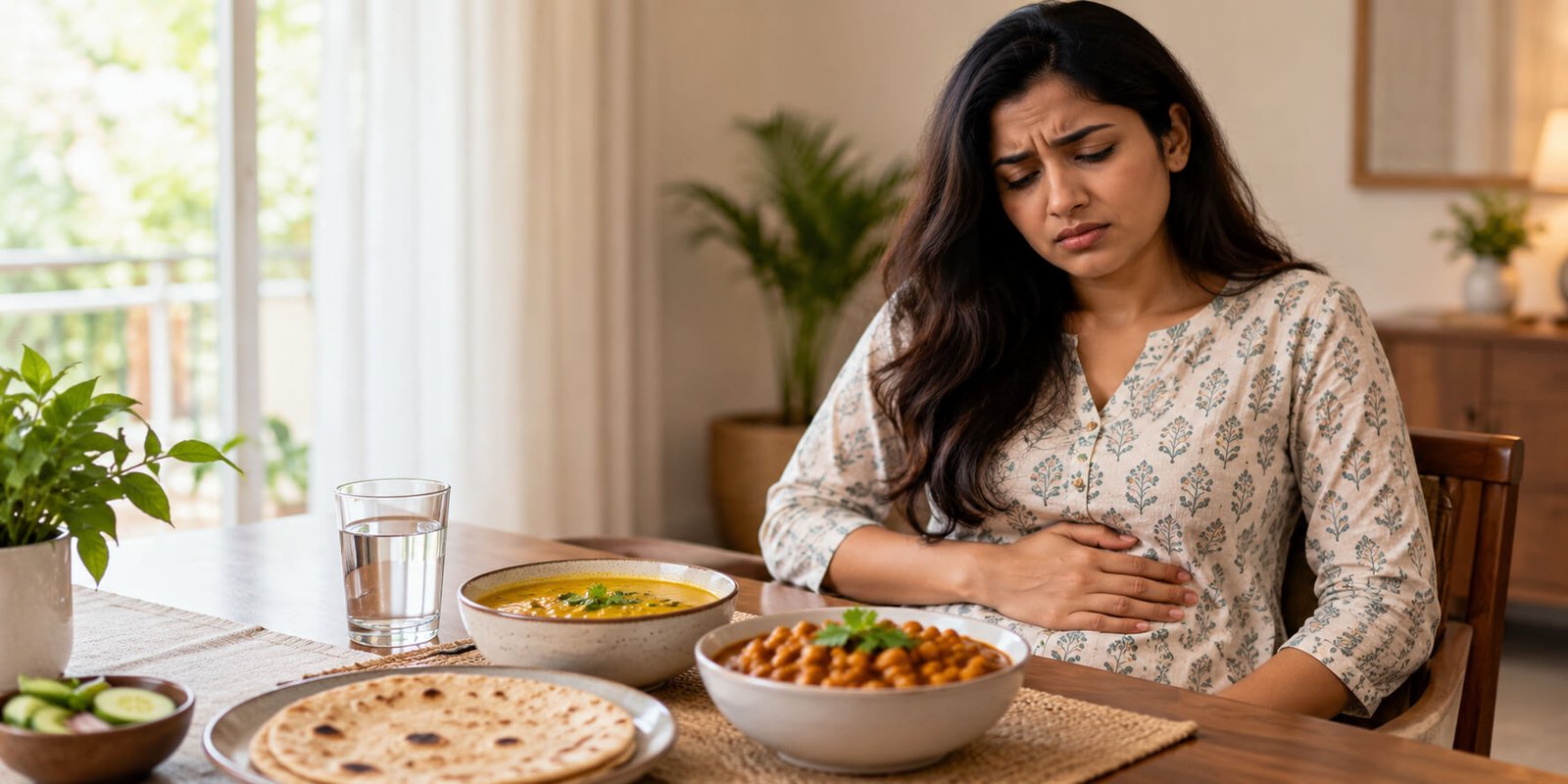
You finish a comforting plate of daal chawal or chana with roti, and a few hours later your stomach feels unusually full, tight or gassy. If this happens often, you may start wondering whether daal simply does not suit your digestive system.
Daal and chana can cause gas and bloating in some people, but that does not necessarily mean you need to stop eating them. Pulses contain fiber and certain carbohydrates that are fermented by bacteria in the gut. Your portion size, cooking method, the rest of your meal and your individual digestive health can all affect how you feel afterward.
Understanding what is actually causing the discomfort can help you enjoy these nutritious Pakistani staples without unnecessarily removing them from your diet.
Why Do Daal and Chana Cause Gas and Bloating?
Daal, chickpeas and other pulses are nutritious sources of plant protein, fiber, vitamins and minerals. The same properties that make them valuable foods, however, can also make them more challenging to digest for some people.
There are a few reasons you may notice bloating after eating lentils or chana.
They Contain Fermentable Carbohydrates
Chickpeas and lentils contain natural carbohydrates called oligosaccharides, including compounds such as raffinose and galacto-oligosaccharides, or GOS.
Your small intestine cannot completely digest some of these carbohydrates. They therefore travel further down the digestive tract, where bacteria in the large intestine ferment them.
Fermentation is a normal part of digestion, but it produces gases. For some people, this creates very little discomfort. For others, it can lead to noticeable fullness, abdominal pressure, flatulence or bloating after eating lentils.
They Are High in Fiber
Daal and chana are also naturally high in dietary fiber. Fiber supports digestive health, helps with bowel regularity and can make meals more satisfying.
However, increasing fiber too quickly can temporarily increase gas and bloating. Someone who rarely eats legumes and suddenly starts having large portions of chana, daal and beans every day may notice more digestive symptoms than someone whose digestive system is already accustomed to these foods.
This is why improving your diet does not always mean increasing every high-fiber food overnight.
Does Chana Cause More Gas Than Daal?
If you search “does chana cause gas,” you will find plenty of people who say chickpeas are difficult for them to digest. Others can eat chana comfortably but feel bloated after a particular type of daal.
There is no single pulse that causes the most gas for everyone.
Whole chickpeas, kala chana and kabuli chana contain a substantial amount of fiber and fermentable carbohydrates. Because they retain their outer structure, some people may find a large bowl of whole chana harder to tolerate than a smaller serving of well-cooked split daal.
How much you eat matters too. A few spoonfuls of chana added to a meal may feel completely different from a large plate of chana masala.
Which Daal Is Easier to Digest?
People often ask which daal causes the least gas. Unfortunately, there is no universal answer because digestion varies considerably from person to person.
Some people find softer, well-cooked preparations of moong or masoor easier to tolerate. Others can eat most daals comfortably as long as their serving is moderate.
Moong Daal
Moong daal is commonly chosen when someone wants a lighter meal. Split moong becomes very soft when thoroughly cooked and can be prepared simply with mild spices and relatively little oil.
If heavier pulse dishes make you uncomfortable, a modest serving of well-cooked moong daal may be worth trying and comparing with your usual meal.
Masoor Daal
Masoor daal also cooks quickly and becomes soft. Many Pakistani households use it as an everyday daal, either by itself or mixed with other lentils.
Again, your tolerance matters more than assuming one particular daal is automatically good or bad for digestion.
Chana Daal and Whole Chana
Chana daal and whole chickpeas can feel more filling because of their fiber and texture. Larger servings may cause more gas in people who are sensitive to legumes.
Instead of completely avoiding them, experiment with preparation and serving size first.
Your Daal May Not Be the Only Thing Making You Bloated
It is easy to blame the daal because it is the most obvious food on your plate. But consider the complete meal.
A typical Pakistani daal or chana dish may also contain onion, garlic, generous amounts of oil, fried tadka and several other ingredients. Some of these can contribute to digestive discomfort on their own.
Onion and Garlic Can Matter
Onion and garlic contain fermentable carbohydrates that can cause symptoms in some people, particularly those with sensitive digestion or irritable bowel syndrome.
This means someone may tolerate simply cooked daal but experience bloating after an onion-heavy chana masala.
Paying attention to the entire recipe can tell you much more than automatically deciding that all pulses are the problem.
A Large Meal Can Increase Fullness
Think about the difference between a moderate bowl of daal with one roti and vegetables versus a large plate containing daal, several rotis, rice, fried sides and dessert.
The second meal contains considerably more food and may naturally leave you feeling fuller for longer.
The same principle applies when managing blood sugar and metabolic health. Building balanced meals around sensible portions is also central to a practical Pakistani diet for insulin resistance rather than treating individual foods as either completely good or bad.
Fizzy Drinks May Make It Worse
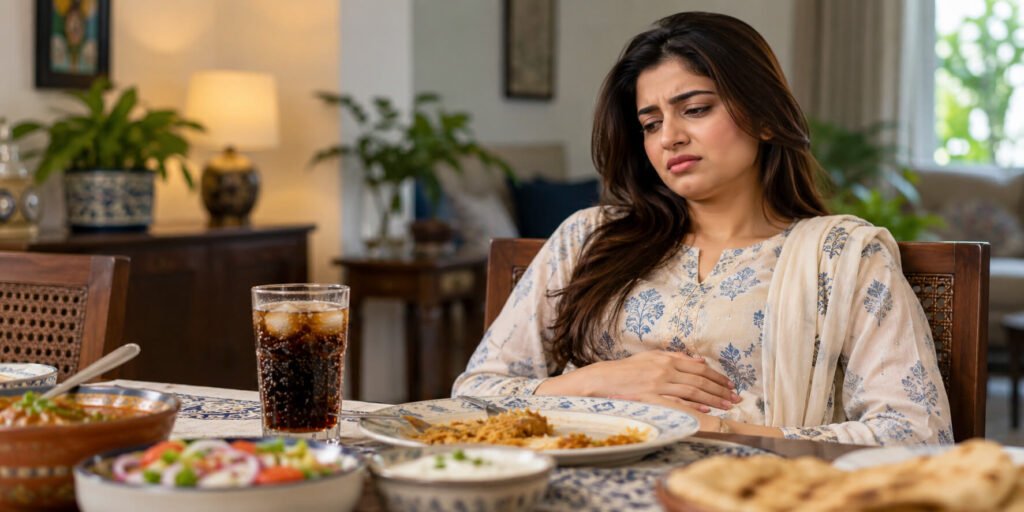
Carbonated soft drinks introduce additional gas into your digestive system. Drinking them alongside a large meal can make bloating and belching more noticeable.
Try water with your meal and see whether the change makes a difference.
How to Reduce Gas and Bloating From Daal or Chana
You do not necessarily need to stop eating legumes. A few simple preparation and portion changes may make them considerably easier to tolerate.
Try these strategies:
- Soak dried chickpeas overnight before cooking.
- Discard the soaking water and rinse the chickpeas.
- Cook chana and daal until they are thoroughly soft.
- Start with a smaller serving rather than a large bowl.
- Increase legumes gradually if your usual diet is low in fiber.
- Eat slowly instead of rushing through your meal.
- Notice whether onion, garlic or very oily tadka makes symptoms worse.
Change one or two things at a time. If you change the pulse, portion, spices and entire meal together, it becomes difficult to understand what actually helped.
Does Soaking Chana Reduce Gas?
Soaking dried chickpeas is worth doing before cooking. Some of the water-soluble compounds in pulses can move into the soaking water.
After soaking, throw away that water, rinse the chickpeas and cook them in fresh water until properly soft.
Soaking will not guarantee that you experience no gas at all. Chickpeas will still contain fiber and fermentable carbohydrates. But good preparation may improve tolerance for some people.
Do Ajwain, Zeera, Ginger or Hing Help With Gas?
Pakistani and South Asian cooking traditionally uses spices such as ajwain, zeera, ginger and hing in lentil and chickpea dishes.
You may find meals prepared with these ingredients comfortable and enjoyable, but they should not be treated as a guaranteed cure for bloating.
What often matters more is the combination of portion size, thorough cooking, overall fiber intake and your individual digestive tolerance.
Should You Stop Eating Daal and Chana If They Make You Bloated?
Occasional gas after eating chana does not automatically mean you should remove legumes from your diet.
Daal and chickpeas provide useful nutrients including fiber, plant protein, folate, iron and several minerals. They can be especially valuable in Pakistani diets where pulses are affordable and regularly available.
They can also fit into diets designed for metabolic health. For example, daal and chana can be useful protein and fiber sources when planning meals for insulin resistance or when making dietary changes for fatty liver nutrition.
If a food repeatedly causes significant symptoms, however, it makes sense to investigate rather than forcing yourself to eat it because it is considered healthy.
Could Frequent Bloating Be Related to IBS?
For some people, frequent bloating after eating lentils or chickpeas may be related to a more sensitive digestive system.
People with irritable bowel syndrome, or IBS, can be particularly sensitive to fermentable carbohydrates known as FODMAPs. Chickpeas, lentils, onion and garlic can all become relevant when evaluating symptoms.
Having gas after daal does not mean you have IBS. IBS usually involves a broader pattern of symptoms such as recurring abdominal discomfort and changes in bowel habits.
Similarly, a low-FODMAP diet is not something everyone with occasional bloating needs to start. Restricting too many foods without understanding the cause can make your diet unnecessarily difficult and may reduce nutritional variety.
When Should You Take Bloating More Seriously?
Mild gas after a large bowl of chana is usually very different from persistent digestive symptoms that interfere with everyday life.
Speak with an appropriate healthcare professional if bloating keeps returning or occurs alongside symptoms such as:
- persistent or severe abdominal pain
- unexplained weight loss
- blood in your stool
- frequent diarrhea
- ongoing constipation
- vomiting
- a major change in your usual bowel habits
Keeping a simple food and symptom record can also help identify patterns. Write down what you ate, the approximate portion and when your symptoms appeared rather than trying to remember everything several days later.
Get Nutrition Guidance That Fits Your Digestive Health
Digestive tolerance is individual. One person may comfortably eat chana several times a week while another feels much better with smaller servings of softer daal.
Dr. Noor provides personalized nutrition consultations exclusively online for clients across Pakistan. Nutrition guidance can take your digestive symptoms, health history, routine, food preferences and everyday Pakistani meals into account, so you are not left removing foods unnecessarily or following a generic diet chart.
If bloating is happening alongside concerns such as insulin resistance, PCOS, diabetes or other nutritional needs, personalized nutrition support for digestive and clinical concerns can help you build a more practical eating approach.
The Bottom Line
Daal and chana can cause bloating because they contain fiber and fermentable carbohydrates that gut bacteria break down and turn into gas. This is a normal digestive process, although some people are much more sensitive to it than others.
Instead of immediately giving up pulses, start by reviewing your portion, soaking and cooking methods, and the other ingredients in your meal. A smaller serving of thoroughly cooked daal may feel very different from a large bowl of chana with onion-heavy gravy, several rotis and a fizzy drink.
Your goal is not to create a long list of foods you are afraid to eat. It is to understand what your digestive system tolerates and build balanced meals around that information.
Frequently Asked Questions
Does eating chana cause bloating?
Yes, chana can cause bloating in some people because chickpeas contain fiber and fermentable carbohydrates that are broken down by gut bacteria. The amount you eat and your individual tolerance can significantly affect your symptoms.
How do I stop bloating after eating lentils?
Try smaller portions, soak pulses when appropriate, cook them thoroughly and increase your fiber intake gradually. It can also help to notice whether ingredients such as onion, garlic or a heavy tadka are contributing to your symptoms.
Which daal causes the least gas?
There is no single daal that causes the least gas for everyone. Some people find well-cooked moong or masoor easier to tolerate, but your portion size and individual digestive response are more important than following a universal ranking.
Is moong daal easier to digest than chana?
Some people find soft, well-cooked moong daal more comfortable than whole chickpeas because of differences in texture, preparation and serving size. Individual tolerance still varies.
Does soaking chana reduce gas?
Soaking dried chana overnight, discarding the soaking water and cooking it thoroughly may improve tolerance for some people. It does not remove all of the fiber or fermentable carbohydrates, so some gas can still occur.
Can I eat daal if I have IBS?
Possibly, but the type and portion may need to be adjusted because lentils contain fermentable carbohydrates that can trigger symptoms in some people with IBS. Individual guidance is useful if your symptoms are frequent.
Why does my stomach hurt after eating chickpeas?
Gas and intestinal stretching from fermentation can cause discomfort in some people. Persistent or severe pain should not automatically be blamed on chickpeas and should be medically assessed, particularly if it occurs with other digestive symptoms.
Should I completely stop eating chana if it gives me gas?
Not necessarily. Try changing the portion and preparation first. If chickpeas repeatedly cause significant symptoms even in small amounts, consider discussing your overall digestive pattern with a qualified healthcare professional.