Mango season can be difficult when you have diabetes. Everyone around you is enjoying chilled Chaunsa, Sindhri or Anwar Ratol, while you may be wondering whether even a few slices will send your blood sugar too high.
The good news is that having diabetes does not automatically mean giving up mango. Mango contains natural sugar and carbohydrates, so portions matter, but a sensible amount can fit into many diabetes eating plans. What matters most is how much you eat, what you eat with it, and how your own blood glucose responds.
Can Diabetics Eat Mango?
Yes, many people with diabetes can eat mango in controlled portions. Mango is a carbohydrate-containing fruit, so it can raise blood glucose, but that does not make it a forbidden food.
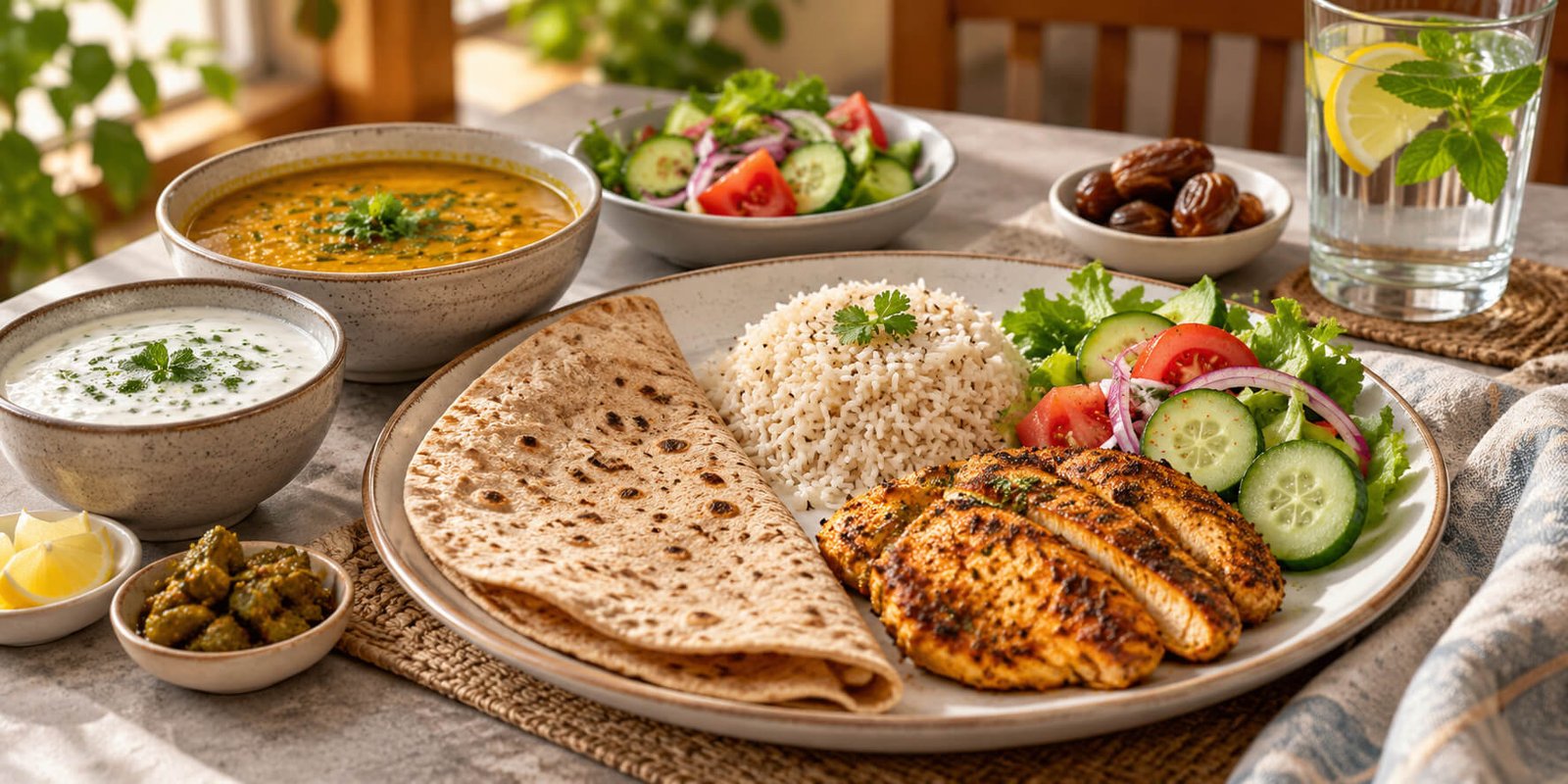
The same principle applies to roti, rice and other carbohydrate foods. Diabetes management is usually more useful when you look at the entire meal rather than blaming one food. If you are also dealing with insulin resistance, a balanced Pakistani diet for insulin resistance can help you understand how fruit and other carbohydrates can fit into everyday meals.
The amount of mango that works for you may depend on your current glucose control, medication, activity level, usual meals and individual response.
Does Mango Raise Blood Sugar Levels?
Yes, mango can raise blood sugar because it naturally contains carbohydrates and sugars. Once these carbohydrates are digested, glucose enters the bloodstream.
However, eating mango is different from drinking a sugary soft drink or eating a large dessert. Whole mango also contains water, fiber, vitamins and other nutrients, and the portion you eat strongly influences the amount of carbohydrate you consume.
A few slices of mango may produce a very different response from eating one or two large mangoes in a sitting.
What Is the Glycemic Index of Mango?
Mango generally falls within the low-to-moderate glycemic index range, although the exact number can vary depending on the variety, ripeness and testing method.
Glycemic index is useful, but it should not be the only thing you consider. Portion size matters just as much. Even a moderate-GI food can provide a large carbohydrate load when eaten in a very large quantity.
How Much Mango Can a Diabetic Eat?
Around half a cup of diced mango can be a practical starting portion for many people. This is much easier to manage than sitting down with a whole large mango and eating until it is finished.
There is no universal serving that is perfect for everyone with diabetes. Someone who is physically active and has stable glucose readings may tolerate a different amount from someone whose blood sugar is currently difficult to control.
For the first few times, measuring your mango instead of estimating can help you understand what a reasonable portion actually looks like.
What Is the Best Way to Eat Mango With Diabetes?
You do not need a complicated mango-eating schedule. Instead, focus on controlling the amount and considering the other foods you are eating at the same time.
There are a few simple ways to make mango easier to fit into a balanced eating pattern:
- Choose fresh, whole mango rather than sweetened juice.
- Keep the portion moderate.
- Combine mango with protein or healthy fats.
- Avoid adding a large mango serving to an already carbohydrate-heavy meal.
- Pay attention to your own glucose readings if you monitor them.
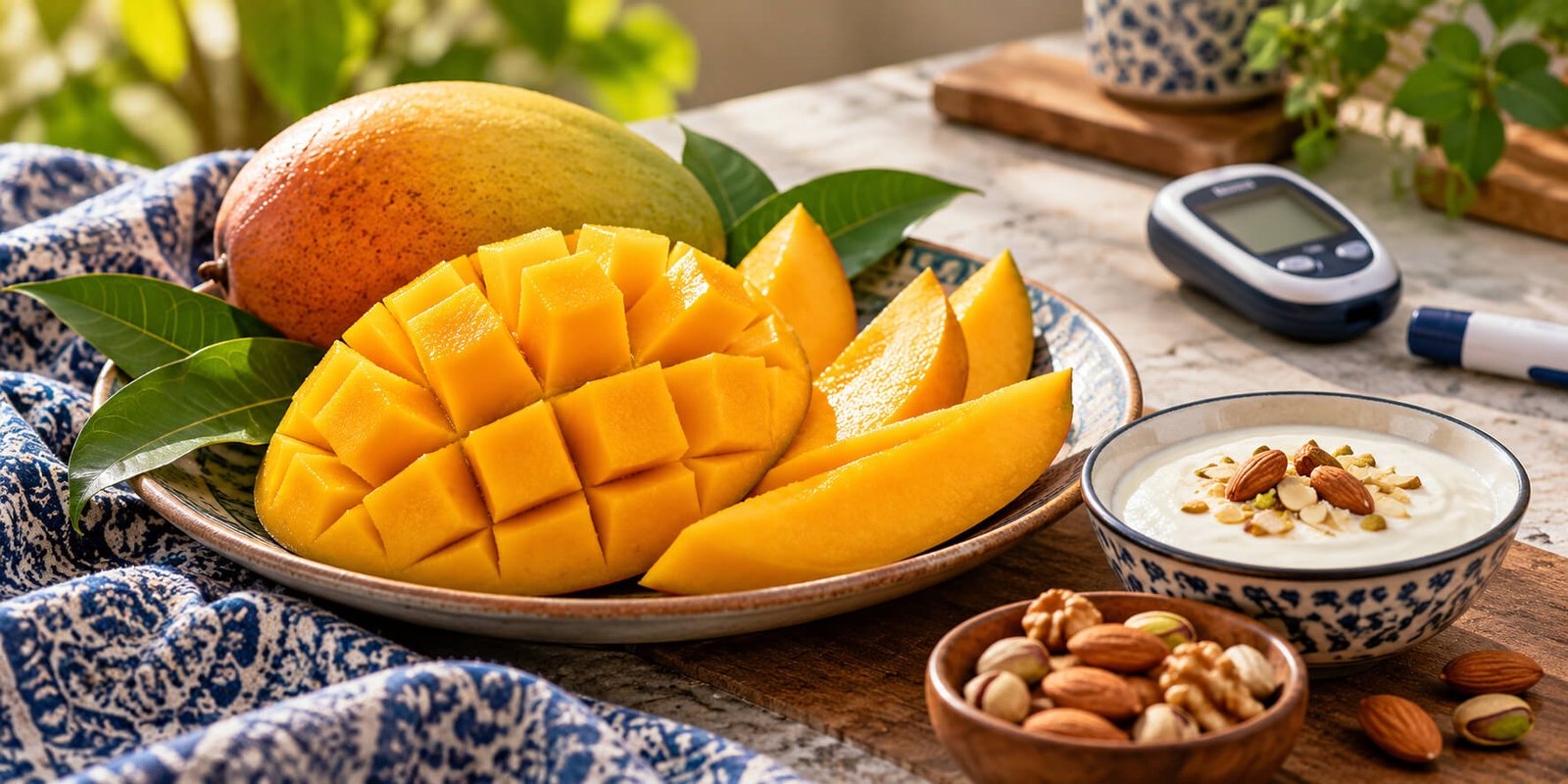
For example, a small portion of mango with plain unsweetened dahi and a few almonds may be a more balanced snack than eating a large bowl of mango on its own.
Pair Mango With Protein or Healthy Fats
Pairing carbohydrate foods with protein, fat or fiber can make a meal more balanced and satisfying.
You could combine a small mango portion with plain yogurt, almonds, walnuts or seeds. This does not make the carbohydrate in mango disappear, but it can help you build a more balanced snack instead of relying on fruit alone.
Can Diabetics Drink Mango Juice?
Whole mango is usually a better everyday choice than mango juice.
Juice is easy to drink quickly, and a glass may contain much more mango than you would normally eat as whole fruit. Once fruit becomes a drink, it also becomes easier to consume a large carbohydrate portion without feeling particularly full.
Packaged mango juices can be even more problematic because some contain added sugar as well as fruit concentrate.
If you enjoy mango, eating a measured portion of the actual fruit usually gives you better portion awareness.
Is Mango Shake Good for Diabetes?
A traditional Pakistani mango shake can contain much more carbohydrate than people expect.
It may include a large mango, milk, added sugar, ice cream or cream. Individually, some of these ingredients can fit into a balanced diet, but combining generous amounts of all of them can turn one drink into a significant carbohydrate and calorie load.
If you want something creamy, a smaller amount of mango blended with unsweetened plain yogurt may be easier to work into your eating plan. Even then, the total portion still matters.
Which Mango Is Best for Diabetes?
Pakistan gives us plenty of choices, including Chaunsa, Sindhri, Anwar Ratol, Langra and Dussehri. You may hear claims that one particular variety is much safer for diabetes than another.
There is not enough reliable evidence to say that every person with diabetes should choose one Pakistani mango variety over all others.
Instead of searching for a special “diabetic mango,” pay more attention to the size of your serving, the ripeness of the fruit, your overall carbohydrate intake and your personal glucose response.
A small serving of your favorite mango is generally more practical than eating a large amount of a supposedly healthier variety.
Can Diabetics Eat Mango Every Day?
Some people may be able to include a small mango portion regularly during mango season. Others may need to eat it less frequently or use a smaller serving.
There is no rule saying that mango must be completely avoided simply because you have type 2 diabetes. At the same time, eating several mangoes daily because the sugar is “natural” is not a sensible approach either.
Look at your complete eating pattern. If your day already contains large servings of roti, rice, sugary chai, biscuits, desserts or sweet drinks, adding a large mango portion can increase the total carbohydrate intake considerably.
Learning how to balance familiar foods is usually more sustainable than unnecessarily eliminating them. The same approach applies when deciding how many rotis to eat as part of a balanced diet.
Can People With Prediabetes Eat Mango?
Prediabetes does not usually mean that all fruit needs to disappear from your diet.
Whole fruit can still fit into a balanced eating pattern when the portion is sensible. If you have prediabetes or insulin resistance, focus on the overall quality of your meals, regular movement, adequate protein and fiber, and reducing frequent sources of added sugar.
The goal is not to become afraid of mango, roti or rice. It is to understand how much your body needs.
Mango vs Banana: Which Is Better for Diabetes?
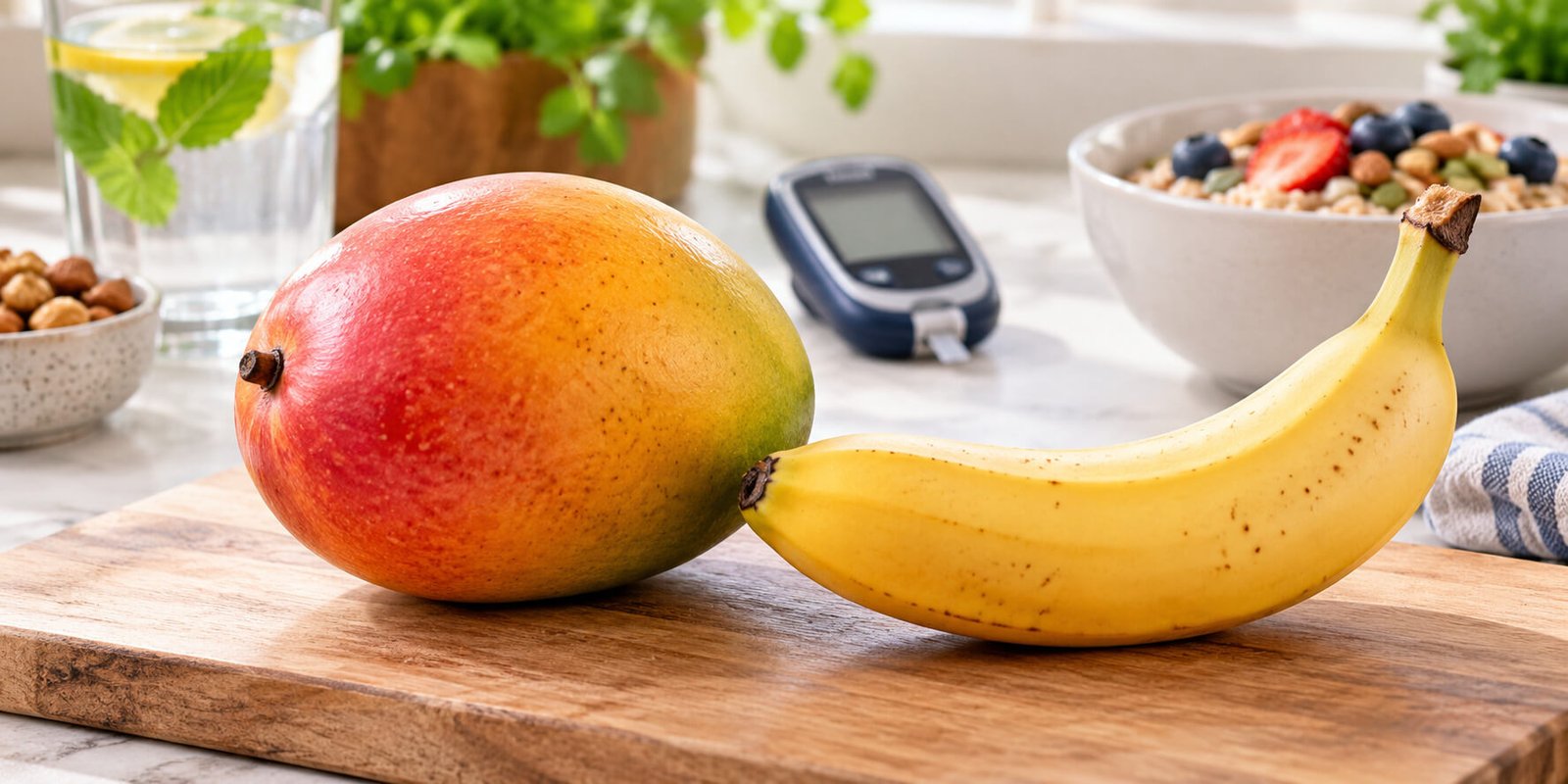
Neither mango nor banana is universally better for everyone with diabetes.
Both contain carbohydrates and natural sugar, and both can fit into an appropriate eating plan. The size and ripeness of the fruit influence how much carbohydrate you actually eat.
A small mango portion may fit better than a very large banana in one meal, while another person’s diet may accommodate banana easily. Comparing fruits without considering serving size does not tell you very much.
What Fruits Should Diabetics Avoid?
Most people with diabetes do not need a long list of forbidden fruits.
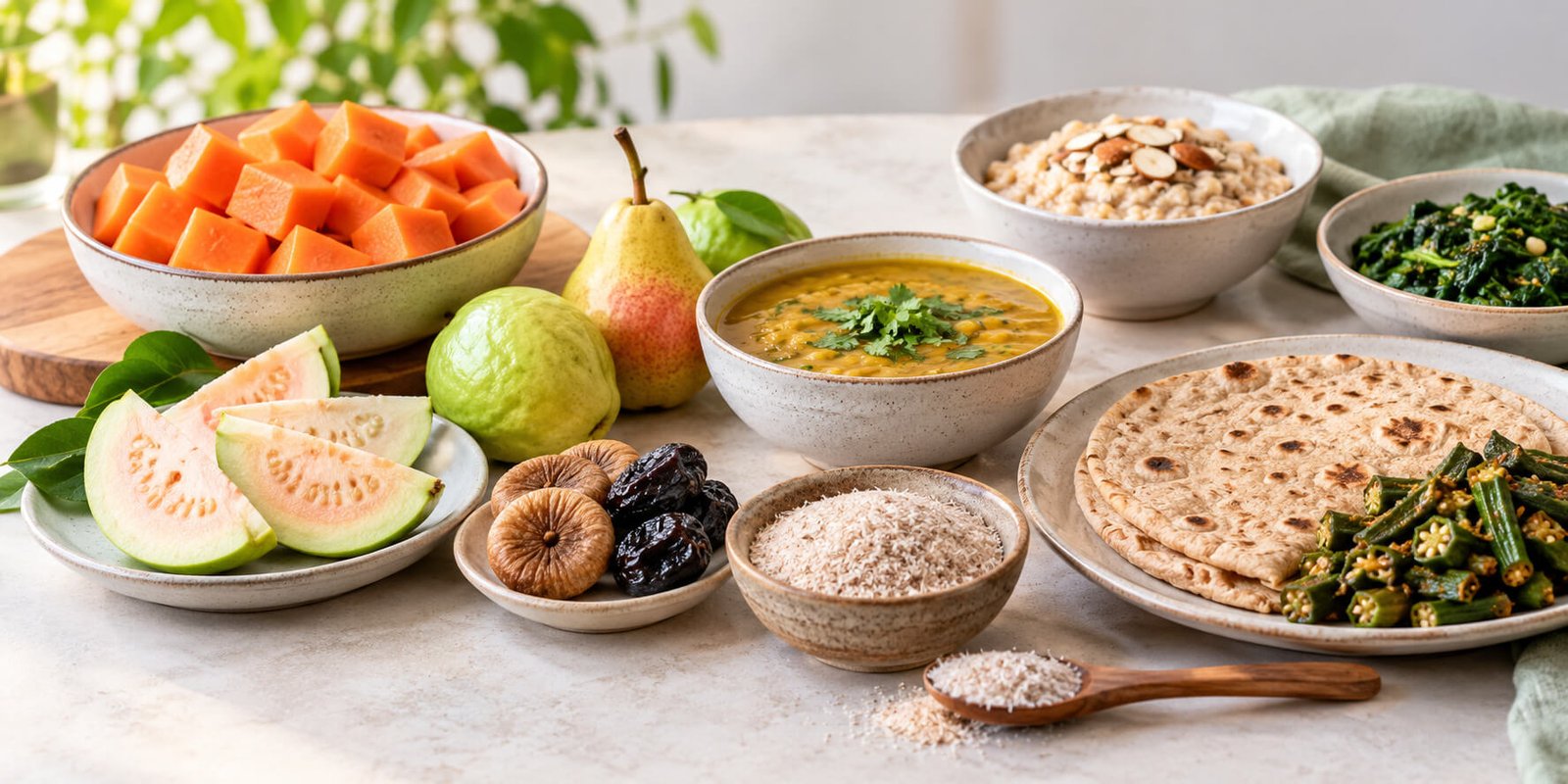
Whole fruits such as guava, apple, pear, orange, berries, papaya and mango can all potentially fit into a balanced diet. The bigger concerns are often oversized portions and more concentrated forms of fruit.
Be more mindful with fruit juice, dried fruit, sweetened canned fruit and large smoothies because it is easy to consume a substantial amount of carbohydrate quickly.
The word “fruit” does not automatically mean unlimited, but it also does not mean forbidden.
How Can You Tell If Mango Spikes Your Blood Sugar?
Blood glucose responses can vary significantly between people.
If you already use a glucometer or continuous glucose monitor as part of your diabetes care, you can observe how your readings respond when you eat a measured mango portion. Follow the monitoring schedule and glucose targets provided by your healthcare professional.
Keeping the portion consistent makes the information more useful. Eating three slices one day and two whole mangoes another day will not give you a meaningful comparison.
Your response can also change depending on whether you ate mango alone, with yogurt and nuts, or after a large rice-based meal.
A Practical Pakistani Way to Eat Mango
Imagine lunch has already included a generous plate of biryani, a soft drink and dessert. Adding a large mango afterward creates a very different carbohydrate load from having a small measured mango portion with plain dahi later in the day.
This does not mean biryani or mango is permanently off limits. It means the entire meal matters. Even foods people often associate with weight gain can be managed through sensible portions, as explained in this guide to eating biryani while managing your weight.
Diabetes nutrition works in much the same way. Sustainable eating usually comes from learning how foods fit together rather than creating an endless list of foods you are not allowed to touch.
When Should You Be More Careful With Mango?
You may need more individualized guidance if your blood glucose has been consistently above your target range, you use insulin, you have gestational diabetes, or you have other medical conditions that affect your nutritional needs.
Your doctor or dietitian can help determine how much carbohydrate is appropriate for your meals and whether your current diabetes treatment needs adjustment.
Do not stop or change diabetes medication simply because you have changed your diet.
Personalized Diabetes Nutrition With Dr. Noor
Diabetes does not look the same in every person, which is why generic food lists are often frustrating. Your medications, laboratory results, routine, food preferences, activity and usual Pakistani meals can all influence what an appropriate diet looks like.
Dr. Noor provides personalized nutrition consultations exclusively online for clients across Pakistan. Her approach focuses on practical, evidence-based nutrition using familiar foods rather than unnecessarily removing roti, rice, fruit and family meals. You can explore her personalized nutrition services if you need a plan built around your individual health needs.
Final Thoughts
So, can diabetics eat mango? For many people, yes.
You do not necessarily need to give up mango season because you have diabetes. Keep your serving moderate, choose whole mango more often than juice or sweetened shakes, balance it with the rest of your meal and pay attention to your individual glucose response.
Diabetes management should help you understand food, not fear it. A small portion of mango enjoyed intentionally can be very different from eating several mangoes without considering the carbohydrates in the rest of your day.
FAQs
Do Mangoes Raise Blood Sugar Levels?
Yes. Mango contains natural carbohydrates and sugars, so blood glucose can rise after eating it. The amount of mango you eat, what you eat with it and your individual glucose response influence how large that rise may be.
How Much Mango Can a Diabetic Eat?
Around half a cup of chopped mango can be a reasonable starting portion for many people, although individual needs vary. Your ideal serving depends on your diabetes management plan, medications, meals and blood glucose response.
Can Type 2 Diabetics Eat Mango?
Yes, many people with type 2 diabetes can include controlled portions of mango as part of a balanced eating pattern. Having type 2 diabetes does not automatically require removing all fruit.
Can Diabetics Drink Mango Juice?
Whole mango is usually preferable because it is easier to control the portion. Juice can provide a large amount of carbohydrate quickly, especially when it contains added sugar.
Can Diabetics Eat Mango at Night?
There is no universal rule that mango becomes harmful at night. Your portion size, total carbohydrate intake, medication and overall meal matter more than simply the time on the clock.
Which Mango Is Best for Diabetics?
There is no reliably proven Pakistani mango variety that is universally best for diabetes. Whether you prefer Chaunsa, Sindhri or Anwar Ratol, focus primarily on portion size and your individual blood glucose response.