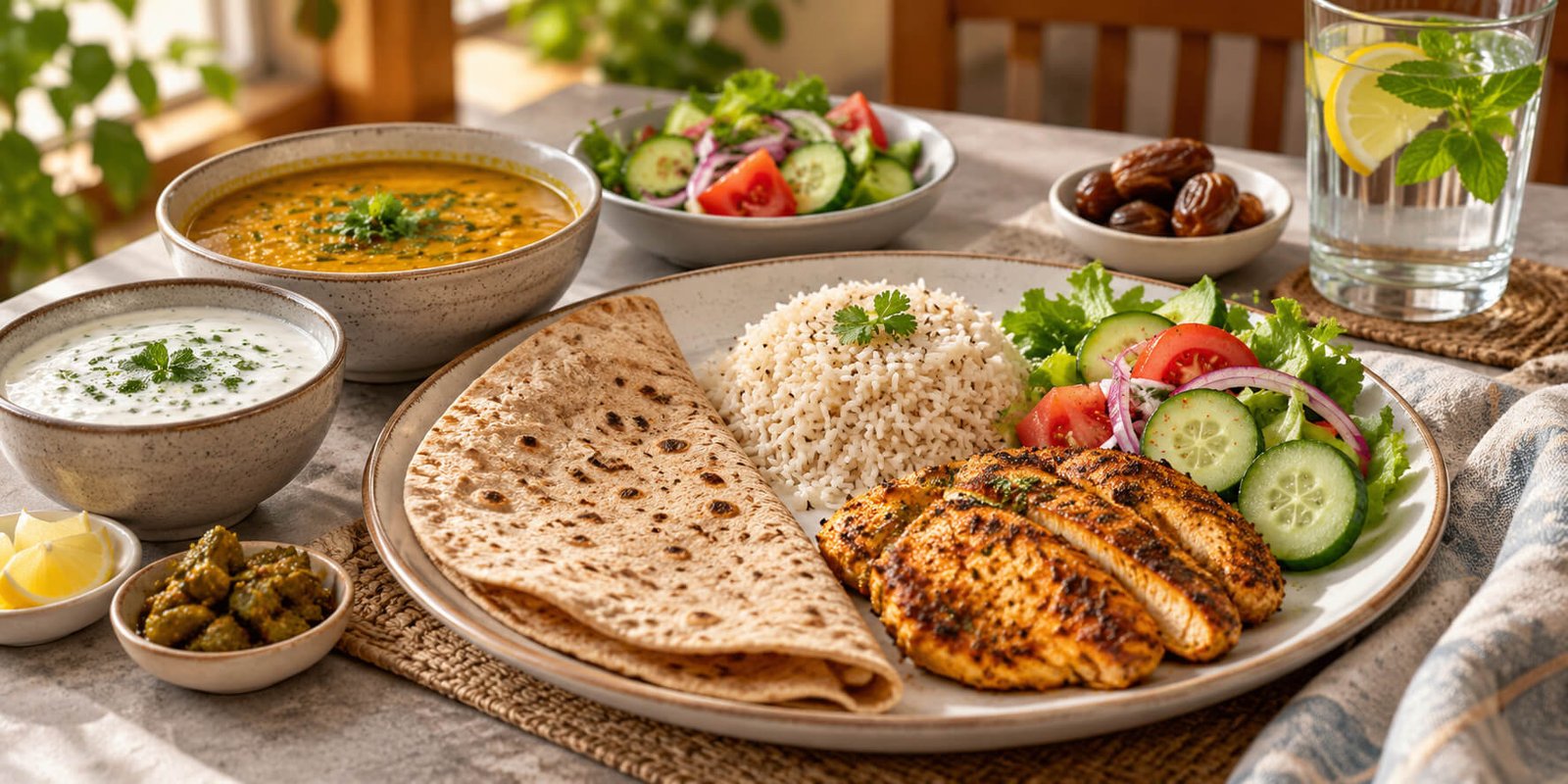
Trying to gain weight can feel surprisingly difficult when you have a small appetite, a busy routine, or simply do not know how to make everyday meals more filling. Eating more does not have to mean living on fast food, mithai, fried snacks, or oversized restaurant meals.
Healthy weight gain is usually about increasing your overall food intake gradually while still giving your body enough protein, carbohydrates, fats, vitamins, and minerals. Pakistani food offers plenty of practical options, from eggs and daal to rice, dahi, nuts, chicken, and homemade shakes.
The goal is not to eat as much as possible. It is to make the food you already enjoy work harder for you.
What Makes a Food Good for Healthy Weight Gain?
A useful weight gain food does more than provide calories. Ideally, it also offers protein, healthy fats, carbohydrates, fiber, or important vitamins and minerals.
Think about building meals rather than searching for one magical food. A plate of rice with chicken, vegetables, and dahi provides more nutritional value than simply adding spoonfuls of ghee to everything.
The same applies to Pakistani staples such as roti and rice. Neither automatically causes weight gain or weight loss. Your portions, overall food intake, and what you eat alongside them matter much more. If you want to understand these staples better, this guide to roti vs rice and portion sizes explains how their calories and nutrition compare.
15 Pakistani Foods That Can Support Healthy Weight Gain
You do not need imported foods or an expensive supplement routine. Many affordable foods already found in Pakistani kitchens can help increase calories while contributing useful nutrients.
1. Eggs
Eggs are one of the easiest foods to add to a weight gain diet. They provide protein and fat while working with almost any meal.
Try an omelette with roti for breakfast, boiled eggs alongside chana, or an egg sandwich as an afternoon snack. Adding another egg to a meal is also an easy way to increase both protein and calories without dramatically increasing the amount of food on your plate.
2. Whole Milk
Whole milk can be particularly useful for people who struggle to eat large meals. It provides protein, carbohydrates, and fat in a form that is relatively easy to consume.
Drink it between meals, add it to oats, or use it as the base of a homemade smoothie. If milk causes bloating or digestive discomfort, you may need an alternative that suits your tolerance.
3. Dahi
Full-fat dahi is another simple Pakistani staple that works well for healthy weight gain. It offers protein and can easily be added to lunch, dinner, or snacks.
Try dahi with fruit and nuts, serve it alongside daal chawal, or add it to a homemade smoothie. It can make meals more substantial without requiring a completely different menu.
4. Rice
Rice is an excellent carbohydrate source when your goal is to increase energy intake. Plain basmati rice, chicken pulao, daal chawal, and homemade rice bowls can all fit into a balanced weight gain diet.
Instead of relying on extremely oily biryani every day, combine rice with chicken, beef, daal, chana, vegetables, or yogurt so the meal provides more than calories alone.
5. Roti and Chapati
Whole-wheat roti provides carbohydrates along with some fiber and protein. It is also easy to combine with calorie-dense foods.
A meal of two rotis with chicken curry and dahi, for example, can provide a useful combination of carbohydrates, protein, and fat. The exact amount you need depends on your appetite, activity, body size, and overall diet.
6. Potatoes
Aloo is affordable, widely available, and easy to add to meals. Potatoes provide carbohydrates and can help increase the energy content of a meal without depending on sugary foods.
Try potatoes with eggs at breakfast, aloo with chicken, a homemade potato and egg sandwich, or potatoes alongside grilled meat. Boiled, roasted, or lightly cooked potatoes are usually better everyday options than making deep-fried chips your main strategy.
7. Daal
Daal deserves a place in a weight gain diet because it provides both carbohydrates and plant protein. Masoor, moong, mash, and chana daal can all be useful.
Pair daal with rice, roti, yogurt, or eggs to make the meal more substantial. Daal chawal with dahi is a simple example of an affordable meal that can contribute meaningful calories and nutrients.
8. Chana and Beans
Chickpeas and other beans provide carbohydrates, plant protein, fiber, and minerals. They are especially useful when you want inexpensive foods that can be prepared in different ways.
Chana curry with rice, chana with roti, or chana chaat topped with dahi and egg can make filling meals or snacks.
9. Chicken
Chicken provides high-quality protein and works with almost every Pakistani eating pattern. You can have chicken curry with roti, chicken and rice, a homemade chicken sandwich, or shredded chicken in wraps.
If you are trying to gain weight, you do not necessarily need to choose only very lean chicken breast. Different cuts can fit depending on your total calorie and fat requirements.
10. Beef and Mutton
Beef and mutton can provide protein, iron, and additional calories, particularly when using slightly fattier cuts.
Traditional dishes such as qorma, karahi, and nihari can certainly contribute calories, but they do not need to become daily foods simply because you want to gain weight. The aim is a nutritious overall pattern, not the oiliest possible meal.
11. Nuts and Peanuts
Nuts are valuable when appetite is low because a relatively small serving provides plenty of energy.
Almonds, walnuts, cashews, and especially affordable peanuts can be added to breakfast, yogurt, smoothies, or eaten between meals. Keeping a small container of mixed nuts nearby can make regular snacking easier.
12. Peanut Butter
Peanut butter is another convenient way to increase calories without adding a large amount of food.
Spread it on bread, pair it with banana, stir it into oats, or blend it into a smoothie. Regular peanuts can provide similar nutritional benefits if peanut butter is expensive or unavailable.
13. Dates and Dried Fruit
Dates, raisins, and other dried fruits are concentrated sources of carbohydrates and energy.
Try dates with milk, dahi, or nuts as a snack. Because dried fruit contains concentrated natural sugars, people managing diabetes or blood glucose concerns may need more individualized portions.
14. Bananas
Bananas are inexpensive, easy to find, and useful for people trying to increase their calorie intake.
Eat one with peanut butter, add it to oats, or blend it with milk and nuts. A banana shake can be a useful addition between meals, especially if drinking something feels easier than eating another full plate.
15. Oats
Oats may not be a traditional Pakistani staple, but they are increasingly common and can make a very practical weight gain breakfast.
Prepare them with whole milk, banana, dates, peanut butter, or nuts instead of making them with water alone. You can find more balanced combinations among Dr. Noor’s practical recipe ideas, which focus on real food that can fit everyday routines.
Simple Pakistani Meals for Weight Gain
Healthy weight gain becomes easier when you stop thinking about individual foods and start putting them together into complete meals.
Some practical combinations include:
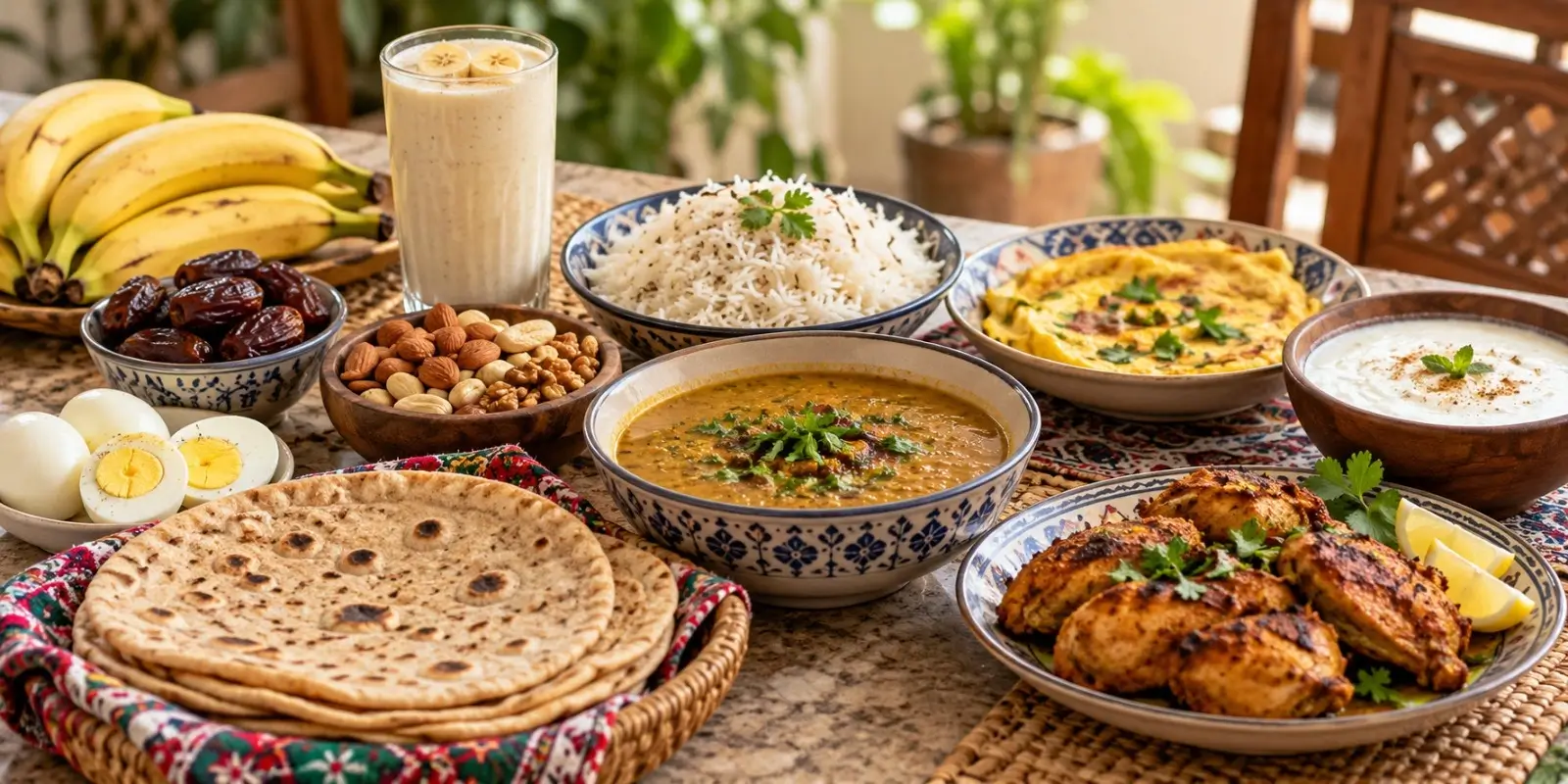
- Egg omelette, roti, and dahi for breakfast
- Oats with whole milk, banana, dates, and nuts
- Chicken curry with rice and vegetables
- Daal chawal with dahi and an egg
- Chana with roti and yogurt
- Beef or chicken salan with roti and sabzi
- Banana, milk, oats, and peanut butter blended into a shake
You do not need to eat all of these every day. Choose meals that work with your household, budget, appetite, and schedule.
Healthy Snacks Can Make Weight Gain Easier
Trying to force enormous portions at lunch and dinner often makes weight gain unnecessarily uncomfortable. Adding one or two planned snacks can be easier.
A banana with peanut butter, dahi with nuts and dates, an egg sandwich, roasted chana with peanuts, or a milk-based smoothie can add extra energy without making you feel as though you are eating constantly.
If appetite is low, spacing food across the day may feel more manageable than relying on three very large meals.
Do You Need Desi Ghee to Gain Weight?
Desi ghee is calorie dense, so a small amount can increase the energy content of food. But more ghee does not automatically mean healthier weight gain.
Foods such as eggs, milk, dahi, nuts, daal, chicken, and chana provide calories along with protein, vitamins, minerals, or fiber. Ghee mainly provides fat, so it is better treated as one ingredient in your diet rather than the foundation of your weight gain strategy.
Can You Gain Weight Without Supplements?
For many people, yes. Protein powders and mass gainers are not automatically necessary for gaining weight.
Milk, eggs, meat, daal, yogurt, nuts, rice, and other ordinary foods can provide substantial calories and protein when eaten consistently. Supplements may be convenient in some situations, but they should not replace an eating pattern that meets your basic nutritional needs.
How Fast Should You Try to Gain Weight?
It can be tempting to search for ways to gain 1 kg in a week or 5 kg in a month, but faster is not always better. Scale weight can also change because of water, digestion, and other factors.
Gradual weight gain gives you more time to build sustainable habits and adjust your food intake according to how your body responds. If muscle gain is part of your goal, adequate protein combined with resistance training is also important.
When Difficulty Gaining Weight Needs More Attention
Some people have naturally smaller bodies or higher energy needs. However, unexplained weight loss or difficulty maintaining your usual weight can sometimes deserve medical assessment.
Speak with an appropriate healthcare professional if you have ongoing digestive symptoms, severe appetite loss, unusual tiredness, persistent diarrhea, palpitations, significant unexplained weight changes, or another medical concern.
Conditions such as diabetes, thyroid disorders, digestive problems, and other health issues can also change nutritional requirements.
A Weight Gain Plan Should Still Feel Like Your Food
Dr. Noor provides personalized nutrition support exclusively online, helping people across Pakistan build eating plans around their health needs, food preferences, routine, and familiar Pakistani meals. Her approach focuses on practical nutrition rather than handing everyone the same generic diet chart.
If you are eating more but still struggling to gain weight, or you have a medical condition that makes planning meals more complicated, personalized nutrition support can help identify where your current diet may be falling short and build a realistic approach around your everyday life.
Frequently Asked Questions
What Are the Best Foods for Weight Gain in Pakistan?
Eggs, whole milk, dahi, rice, roti, potatoes, daal, chana, chicken, beef, nuts, peanuts, bananas, dates, and oats are all useful options. The most important factor is eating enough overall while still getting balanced nutrition.
Is Banana Shake Good for Weight Gain?
A banana shake can help increase calorie intake, especially when made with whole milk, peanut butter, oats, nuts, or yogurt. Avoid relying on large amounts of added sugar just to increase the calories.
Is Rice Good for Weight Gain?
Yes. Rice provides carbohydrates and can be an easy way to increase the energy content of meals. Pair it with protein sources such as chicken, daal, beef, eggs, or chana for a more balanced meal.
Is Desi Ghee Good for Weight Gain?
Desi ghee can increase calories because it is almost entirely fat. Small amounts can fit into a balanced diet, but consuming excessive ghee is not necessary for healthy weight gain.
How Can I Gain Weight Naturally With Pakistani Food?
Eat regular meals, add nutritious snacks, include protein at meals, and use calorie-dense foods such as milk, dahi, nuts, rice, eggs, and peanut butter. Consistency matters more than eating one particular food.
Can I Gain 5 kg in One Month?
Five kilograms in one month is an aggressive target for many people and may not be appropriate or realistic for everyone. Your ideal rate of weight gain depends on your current weight, health, activity level, appetite, and individual nutritional needs.
Why Am I Not Gaining Weight Even Though I Eat a Lot?
You may be eating less energy overall than you realize, especially if meals are inconsistent or your activity level is high. Low appetite, digestive problems, thyroid conditions, diabetes, and other health issues can also affect body weight, so persistent difficulty gaining weight may deserve individualized assessment.